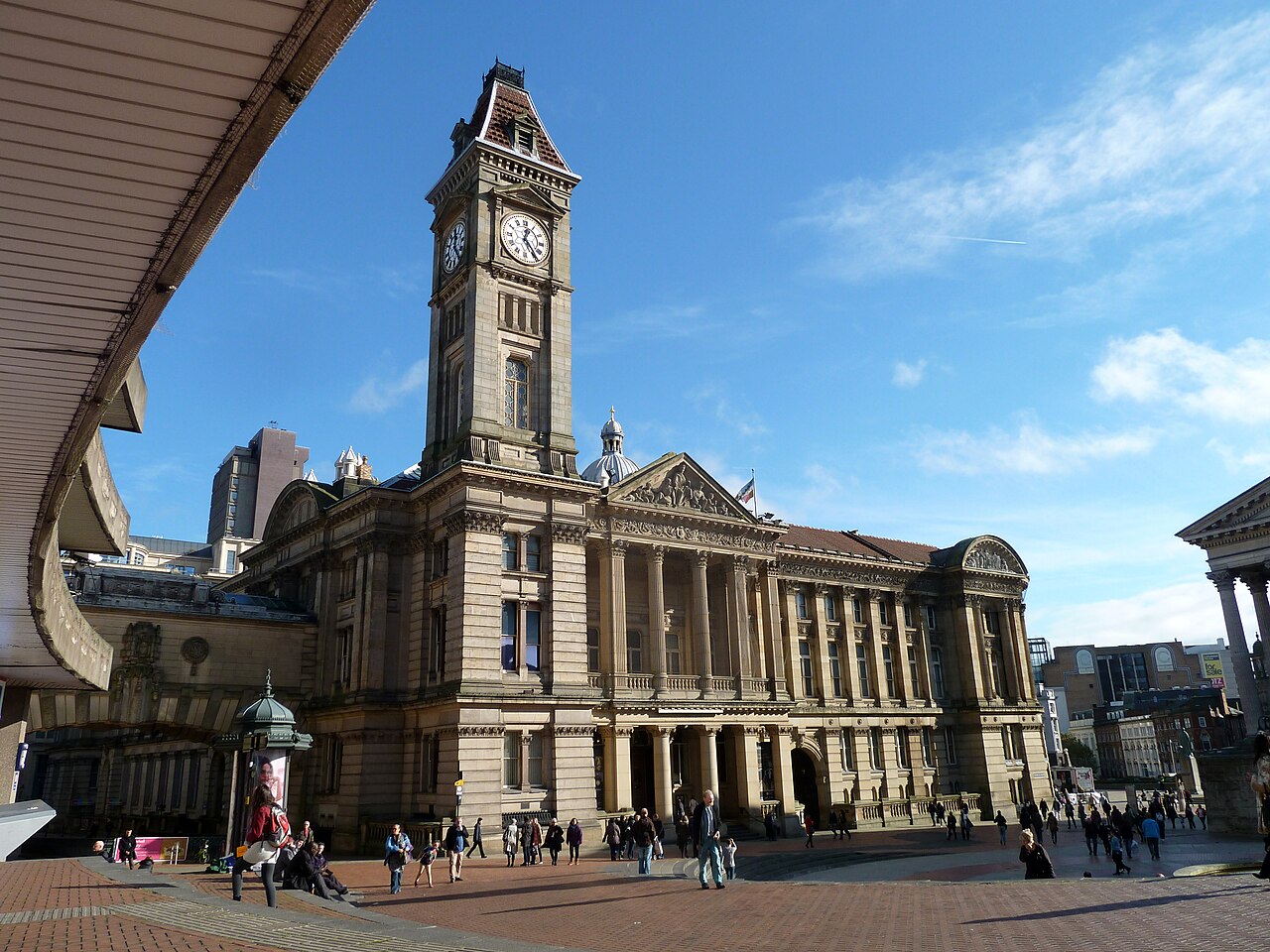
National Museum and Art Gallery
24.6282° S · 25.8981° E · Museum
National Museum and Art Gallery is a museum in Gaborone, Botswana. Gaborone's premier cultural institution showcasing Botswana's natural history, ethnography, and contemporary art. Most visitors spend 1–2 hours here. The free Lokali audio guide runs 5 minutes.
✓ Verified August 2026 · how we write these guides
Visitor facts
| Time needed | 1–2 hours |
|---|---|
| Lokali audio guide | 5 min · free |
| Type | Museum |
| Best for | History |
| Location | Gaborone, Botswana |
| Coordinates | -24.6282, 25.8981 |
| Languages | 45, in the Lokali app |
The story
Inside, the air is cool and still after the heat of the street. Carved wooden faces look out at you from along the walls. Drums and ornaments rest in tall glass cases. The light is soft and even, kept low to protect what it falls on. Your footsteps echo a little on the hard floor. You have entered the National Museum and Art Gallery of Papua New Guinea, the keeper of the nation's treasures.
The museum stands in Waigani, a district of Port Moresby, and it sits close to the National Parliament. The building was made for this single purpose, to hold and protect the nation's heritage. Work on it began in 1975. The Australian government helped to pay for its construction. The museum opened its doors to the public on 27 June 1977, and it has gathered objects ever since.
This is the national museum of the whole country, and its task is a large one. Papua New Guinea is home to hundreds of distinct languages and many separate cultures, each with its own art and custom. The museum gathers and protects objects from across all of them. Under this one roof, a visitor can begin to grasp just how wide and varied the nation's heritage truly is.
The collection itself is vast. It holds more than six hundred thousand items in total. These include carvings, tools, weapons, ornaments, and finished works of art. There are natural specimens too, plants and animals collected from the provinces. No visitor could ever see it all in a single day. What stands on display in the galleries is only a small part of the whole great store.
Among the most striking objects are the drums. You will see kundu drums, shaped like an hourglass and made to be held in one hand as the player dances. You will also see garamut drums, long and hollow, each one cut and hollowed from a single log. For many generations these drums carried sound across the valleys. They called people together, marked ceremonies, and passed messages between villages.
The masks draw the eye as strongly as the drums. Each region of the country shapes its masks in its own way. Some are carved from wood, some are woven from fibre, and some are painted in bold, simple lines. They were made for ceremony and for dance, not for idle display. Behind each mask stands a story, a spirit, or a rite. They are far more than decoration.
Totem poles and tall carved figures stand throughout the halls. Many of them come from the Sepik River region in the north, a place long known for its carvers. The work is fine and patient, built up over many days by hand. Look closely at the worn surfaces. You will see birds, human faces, crocodiles, and other animals worked carefully into the grain of the wood.
One part of the collection deals with the sea and with travel. Here you may find a decorated outrigger canoe from the Milne Bay area, low and long and brightly marked. Such canoes once carried people and goods across stretches of open water between the islands. The carving and the paint upon them held real meaning. They were at once practical tools and proud works of craft.
The museum also keeps many objects of body adornment and ceremony. Shell ornaments, woven bands, and tall feather headdresses show how people across the country marked status, wealth, and celebration. These pieces connect directly to the dances and gatherings that are still held in villages today. The past kept here is not closed off behind glass. It reaches forward into the living present.
In 2017 the museum marked its fortieth year since opening. Part of the building was remodelled for the occasion. The work was led by an architecture firm called Architectus. The update gave the older galleries fresh life and better light. Just as importantly, it helped the museum care for its fragile and valuable holdings, many of which would be difficult or impossible to replace.
Plan your visit with a little care. The museum is usually open from nine in the morning until three in the afternoon on most days. On weekdays, entry is free of charge. Give yourself enough time to read the labels set beside the objects. They explain where each piece comes from, who made it, and what it once meant to the people who used it.
As you make your way out, glance back at the carved figures standing near the door. They have watched over countless visitors before you, and they will watch over many more. In their lines and their steady faces lives the memory of many peoples. Step back into the bright daylight carrying a little of what they hold, the long and deep story of this land.
Key facts
What to look for
Practical tips
Common questions
How long do you need at National Museum and Art Gallery?
Plan 1–2 hours. That is the time most visitors spend at National Museum and Art Gallery. The free Lokali audio guide adds about 5 minutes of narration you can listen to as you walk, so it fits inside your visit rather than adding to it.
Is there a free audio guide to National Museum and Art Gallery?
Yes — the Lokali app narrates National Museum and Art Gallery free of charge in 50+ languages. It covers the history, what to look for on site and practical tips, and it works offline once downloaded.
Where is National Museum and Art Gallery?
National Museum and Art Gallery is in Gaborone, Botswana, at -24.6282, 25.8981. Tap the map link on this page for directions from where you are.
What should you know before visiting National Museum and Art Gallery?
Visit on a weekday, when entry is free.
What is National Museum and Art Gallery known for?
National museum of Papua New Guinea.
What is the best time to visit National Museum and Art Gallery?
The outdoor sculpture garden offers shade and quiet reflection.
On the map
Opens directions to National Museum and Art Gallery from your location.
Hear National Museum and Art Gallery in your language
The full story, narrated, in 50+ languages. Download it before you go and it plays offline, at your own pace, with no ticket and no tour group.