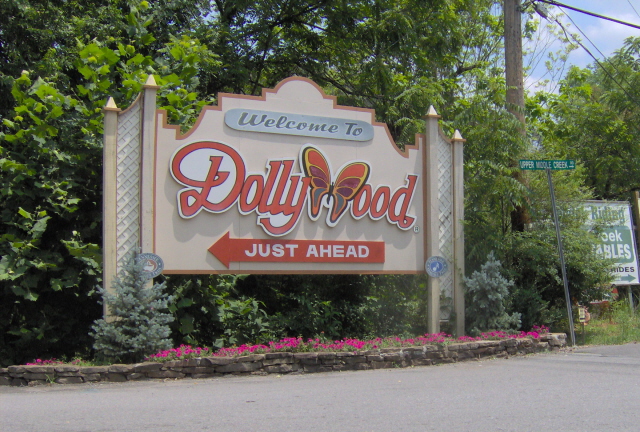
Dollywood
35.7951° N · 83.5312° W · Amusement Park
Photo: Brian Stansberry (photographer) · CC BY 2.5 · Wikimedia Commons
Dollywood is a theme park in Pigeon Forge, Tennessee, USA. The park reopened under the Dollywood name in 1986. The free Lokali audio guide runs 7 minutes.
✓ Published October 2026 · how we write these guides
Visitor facts
| Lokali audio guide | 7 min · free |
|---|---|
| Type | Amusement Park |
| Location | Pigeon Forge, United States |
| Coordinates | 35.7951, -83.5312 |
| Official website | dollywood.com |
| Languages | 50+, in the Lokali app |
The story
Listen for it first. Somewhere up the hill, a steam whistle cuts through the trees — long, low, and a little mournful. Then comes the smell of coal smoke, mixed with something sweeter: butter, cinnamon, warm dough. The air here is soft and damp, the kind of mountain air that settles in the hollows each morning. You are standing in the foothills of the Great Smoky Mountains, in East Tennessee. And this is Dollywood.
Most theme parks are built around a cartoon character or a film studio. This one is built around a real woman from these hills. Dolly Parton was born in Sevier County, the same county you are standing in now. She grew up in a large, poor family in a small cabin, a few miles from here. She left for Nashville as a teenager and became one of the most famous singers in the world. Then she came back — and put her name on a park in her own backyard.
Here is something many visitors miss. The park is much older than its name. The site first opened in the early 1960s as a small attraction called Rebel Railroad, built around a steam train ride. It changed hands and changed names over the years, and later became Silver Dollar City. In 1986, Dolly Parton partnered with the Herschend family, who were running the park, and it reopened as Dollywood. So that train whistle you heard? It is the oldest voice on this hillside.
The train is called the Dollywood Express. It is a real coal-fired steam locomotive, not a diesel engine dressed up to look old. The crew shovels coal, the boiler builds pressure, and the engine pulls open-air cars on a loop through the wooded hills. Sit near the front and you will feel the heat and catch the occasional cinder. It is noisy, sooty, and wonderful. For many families, the ride is the first thing they do when they arrive.
Now follow your nose. That sweet smell drifts from the Grist Mill, a working water-powered mill in the heart of the park. The big wooden wheel turns slowly, and inside, the stones grind cornmeal and flour. But the real draw is the cinnamon bread. It comes out as a tall, soft loaf, pulled apart in warm pieces and covered in butter and cinnamon sugar. The line can be long. Locals will tell you it is worth every minute.
Keep walking and the sounds change. You might hear the ring of a hammer on hot iron, or the roar of a furnace. This part of the park is called Craftsmen's Valley. Here, real craftspeople work in front of you. A blacksmith shapes metal at the forge. Glassblowers turn molten glass on long pipes. Woodcarvers and other artisans show skills that were once part of daily life in Appalachia — the mountain region that runs through this part of Tennessee.
That connection to Appalachian culture is the quiet heart of Dollywood. Underneath the rides and the snack stands, the park keeps returning to mountain life. You will hear bluegrass and gospel from the stages. You will see quilts, cast-iron cookware, and handmade crafts in the shops. The buildings use rough timber, stone, and tin roofs, like the farmhouses and barns of these hills. It is a theme park, yes. But the theme is a real place and a real people.
For the clearest look at where it all began, find the cabin. In the park stands a replica of the small house where Dolly Parton grew up, the one she sang about in her song about her Tennessee mountain home. Step inside and notice how little space there is. Picture a big family living, eating, and sleeping in these few rooms. It is a humbling contrast to everything else around you — and that contrast is the point.
Not far away is the Chasing Rainbows Museum, devoted to Dolly's life and career. Inside you will find costumes, awards, photographs, and personal items from her decades in music and film. There is plenty of sparkle, as you might expect. But look also for the small, homely details from her childhood. The museum tells a simple story: a girl from a one-room world who dreamed far beyond these ridges, and never stopped talking about home.
Here is the second surprise. One of the most moving places in the park has nothing to do with Dolly at all. Eagle Mountain Sanctuary is home to bald eagles that cannot survive in the wild, most often because of injuries. It is run with the American Eagle Foundation, a conservation group. The birds live in a large netted aviary on the hillside. Stand quietly at the railing and watch. The eagles are much bigger up close than most people expect.
Of course, many people come for the speed. The hills give the roller coasters a natural advantage, because the tracks can dive into real valleys and climb real slopes. Thunderhead is a wooden coaster that rattles and twists through the trees. Lightning Rod is a wooden coaster that launches riders forward instead of climbing a slow chain lift. Wild Eagle lets riders sit out on the sides of the track, with nothing above or below them, like wings.
The park also changes with the seasons. In spring, flower displays and food stalls fill the paths. In autumn, the Harvest Festival brings pumpkins, gospel singing, and the reds and golds of the mountain forest. In the cold months, the park turns into a Christmas village covered in lights. And beyond the park, Dolly's Imagination Library — which grew out of her work here — sends free books to young children around the world.
So pause for a moment before you move on. Look up at the ridgelines, blue and hazy in the distance. That haze is what gave the Smoky Mountains their name. Listen again for the whistle of the train, the music from a nearby porch, the shouts from the coasters. As you walk away, notice the timber, the stone, the smell of cinnamon on the air. This whole place is one woman's way of saying: this is where I come from.
Key facts
What to look for
Practical tips
Common questions
Is there a free audio guide to Dollywood?
Yes — the Lokali app narrates Dollywood free of charge in 50+ languages. The guide runs about 7 minutes, covers the history, what to look for on site and practical tips, and works offline once downloaded.
Where is Dollywood?
Dollywood is in Pigeon Forge, United States, at 35.7951, -83.5312. Tap the map link on this page for directions from where you are.
What is Dollywood known for?
The park reopened under the Dollywood name in 1986. The site began as Rebel Railroad in the early 1960s.
What should you look for at Dollywood?
The slow-turning wooden water wheel on the Grist Mill. Sparks from the blacksmith's forge in Craftsmen's Valley. The cramped rooms inside the childhood cabin replica.
What should you know before visiting Dollywood?
Ride the Dollywood Express early, before the lines grow. Queue for Grist Mill cinnamon bread before the midday rush.
When is the best time to visit Dollywood?
Ride the Dollywood Express early, before the lines grow.
On the map
Opens directions to Dollywood from your location.
More to see near Dollywood

Hear Dollywood in your language
The full story, narrated, in 50+ languages. Download it before you go and it plays offline, at your own pace, with no ticket and no tour group.