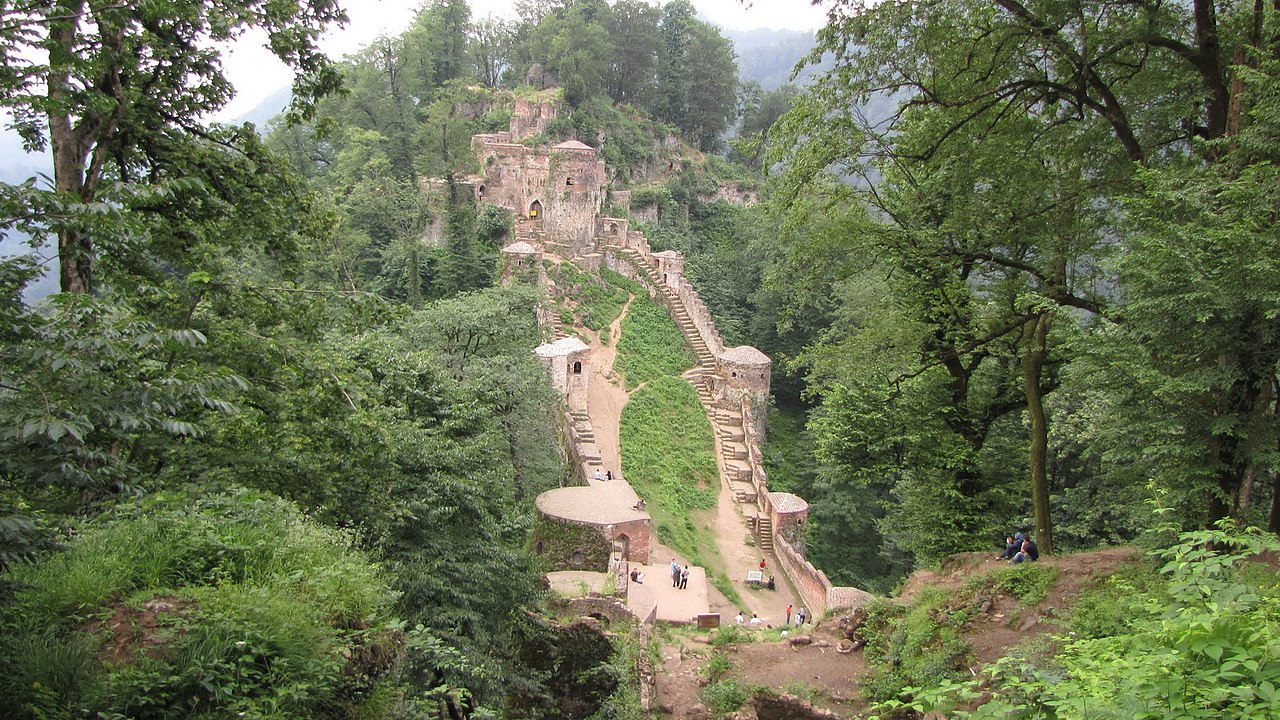
Rasht Museum of Anthropology
37.2850° N · 49.5900° E · Museum
Rasht Museum of Anthropology is a museum in Rasht, Iran. Displays traditional crafts, textiles, household items, and cultural artifacts from the Caspian region. Most visitors spend 1–1.5 hours here. The free Lokali audio guide runs 5 minutes.
✓ Verified August 2026 · how we write these guides
Visitor facts
| Time needed | 1–1.5 hours |
|---|---|
| Lokali audio guide | 5 min · free |
| Type | Museum |
| Best for | History |
| Location | Rasht, Iran |
| Coordinates | 37.2850, 49.5900 |
| Languages | 45, in the Lokali app |
The story
You step in out of the rain. The noise of the street fades. Take a moment to let your eyes adjust to the dim, calm light. In front of you stands a figure in old Gilani clothing, frozen in the middle of daily life. This is the Anthropology Museum of Rasht. It is a quiet house full of the everyday past of northern Iran.
The museum sits inside an old mansion called Kasmai House. It is worth slowing down to look at the house before the objects inside. The building was built in the style of the Qajar era, a period that shaped much of old Rasht. Tall windows, brick walls, and carved wood mark the taste of that time. Before it held a museum, it was a family home.
Inside, the museum gathers more than eight hundred objects. Each one comes from the life of the people of Gilan. Together they show how families here lived, worked, dressed, and ate in the years before modern machines arrived. Look at them the way you would look at things in someone's home. Nothing here is grand. That is the point. Slow down and really look.
Move through the rooms slowly. The collection is divided by theme. One section shows clothing. Another shows ornaments and jewelry. Another shows dishes and tools for the kitchen. Another holds farming equipment. A final section keeps old documents and photographs. Each room is a different corner of the same daily world.
Start with the clothing. The people of Gilan wore garments suited to a wet, green land. You will see layered fabrics, head coverings, and bright colors. Women's clothes in particular carry detail and care. Imagine wearing them through a long, damp Gilan winter. These are the real clothes of farmers, traders, and townspeople.
Then look at the ornaments. Small pieces of jewelry, beads, and metalwork sit in their cases. People wore these for marriage, for celebration, and for daily pride. They are simple compared to royal treasure. But they tell you what an ordinary family valued enough to keep and pass down. Each small piece carries the mark of a maker's hand.
The tools may be the heart of the museum. Gilan is a land of rice fields and gardens. Here you will see the wooden and iron tools used to plant, harvest, and store food. There are objects for working rice, for fishing, and for cooking. Picture the hands that held each one, day after day, in the fields.
One of the strongest parts of the museum is its reconstructed scenes. Figures dressed in traditional clothing are placed in everyday settings. They sit, work, and gather as people once did. Standing in front of them, you get a clear picture of a moment from the past, held still for you to study. Children often remember this room the most.
Look closely at the faces and the hands. The makers tried to show real work, not a polished image. A person grinding, weaving, or resting. These scenes do more than any label can. They turn a list of objects into a living household that you can almost step into. Stand quietly and let the scene speak for itself.
As you walk, remember where these things come from. Gilan lies between the Caspian Sea and the mountains. Its people built a full way of life around water, rice, and rain. Knowing the land helps the objects make sense. The museum keeps that life from being forgotten as the modern city grows around it.
Take your time with the documents and photographs near the end. Old papers and black-and-white images show real people and real events. Faces look back at you from another century. Give yourself a minute to meet their eyes. These are the names and moments behind all the objects in the other rooms.
Before you leave, stand for a moment in the old house itself. Notice the wooden stairs, the high ceilings, and the light through the tall windows. The building has outlived the family that built it. Now it shelters the memory of a whole region instead of a single household. Let the quiet of the place settle on you before the street takes it away.
When you walk back out into the rain, the street will feel a little different. You have just seen how people lived here long before the cars and signs. The clothes, the tools, the still figures stay with you. In a small house in Rasht, the ordinary past is kept safe and close.
Key facts
What to look for
Practical tips
Common questions
How long do you need at Rasht Museum of Anthropology?
Plan 1–1.5 hours. That is the time most visitors spend at Rasht Museum of Anthropology. The free Lokali audio guide adds about 5 minutes of narration you can listen to as you walk, so it fits inside your visit rather than adding to it.
Is there a free audio guide to Rasht Museum of Anthropology?
Yes — the Lokali app narrates Rasht Museum of Anthropology free of charge in 50+ languages. It covers the history, what to look for on site and practical tips, and it works offline once downloaded.
Where is Rasht Museum of Anthropology?
Rasht Museum of Anthropology is in Rasht, Iran, at 37.2850, 49.5900. Tap the map link on this page for directions from where you are.
What should you know before visiting Rasht Museum of Anthropology?
Allow about an hour to see every section.
What is Rasht Museum of Anthropology known for?
Holds more than 800 objects of Gilan daily life.
What is the best time to visit Rasht Museum of Anthropology?
The textile collection is exceptional — look for traditional silk embroidery and locally-woven carpets.
On the map
Opens directions to Rasht Museum of Anthropology from your location.
More to see in Rasht
Hear Rasht Museum of Anthropology in your language
The full story, narrated, in 50+ languages. Download it before you go and it plays offline, at your own pace, with no ticket and no tour group.