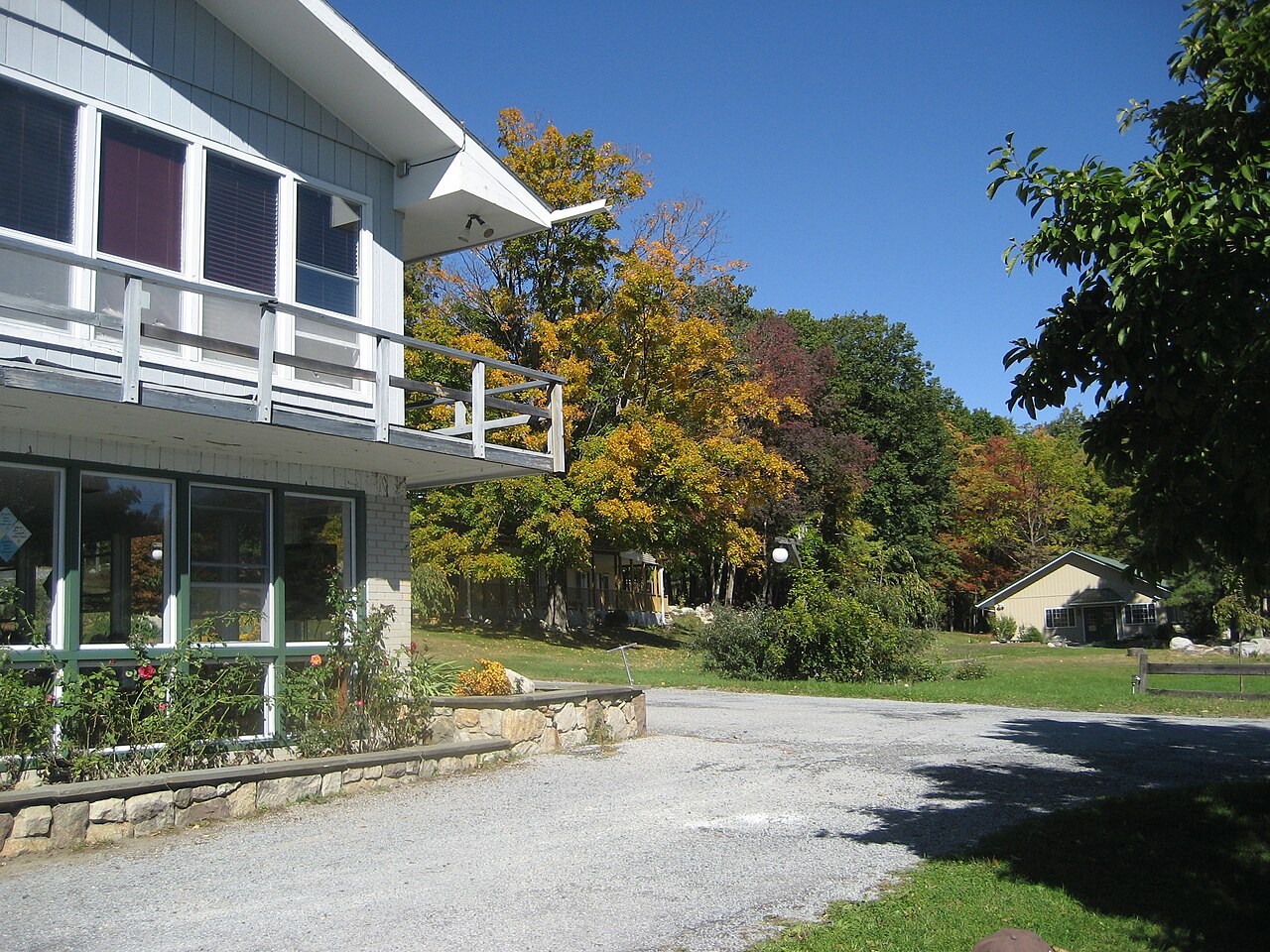
Blue Monastery is a monastery in Troodos, Cyprus. Secluded Orthodox monastery in the Troodos Mountains of Cyprus, known for its striking blue-painted dome and peaceful mountain setting. Most visitors spend 45–90 min here. The free Lokali audio guide runs 9 minutes.
✓ Verified August 2026 · how we write these guides
Visitor facts
| Time needed | 45–90 min |
|---|---|
| Lokali audio guide | 9 min · free |
| Type | Monastery |
| Best for | History |
| Location | Troodos, Cyprus |
| Coordinates | 34.9231, 32.8642 |
| Languages | 45, in the Lokali app |
The story
The sunlight here has a particular quality — filtered through pine branches, it pools on whitewashed stone and catches the vivid blue paint that gives this place its name. You are standing at a small Georgian Orthodox monastery perched above the village of Gonio, where the Black Sea meets the foothills of the Lesser Caucasus. The air smells of resin and salt.
The monastery is relatively young by Georgian standards, built in the late twentieth century when religious life began to return after decades of Soviet suppression. The main church follows traditional Georgian architectural forms — a compact stone structure with a conical dome, its proportions echoing medieval prototypes from across the country. But the defining feature is the colour. The exterior walls, window frames, and bell tower are painted a deep cerulean blue, unusual for Georgian churches, which typically remain bare stone or white plaster.
No one seems entirely certain why blue was chosen. Some locals say it mirrors the sea visible from the hillside. Others suggest it was simply the paint available when restoration work began. Whatever the origin, the effect is striking — the building reads as both deeply traditional and quietly defiant, a splash of colour in a landscape of grey stone and green forest.
Inside, the church is dim and cool. Frescoes cover the interior walls in the Byzantine manner, though these are modern works painted within the last few decades. The iconostasis is carved wood, darkened by candle smoke. On feast days, the space fills with villagers and a handful of pilgrims from Batumi, their voices rising in Georgian polyphonic chant — a sound that seems to come from the walls themselves.
The monastery grounds are small, just a courtyard and a handful of outbuildings where a few monks live and work. You will often see laundry hanging between the trees, or a monk tending a vegetable patch behind the church. There is no grand gate, no ticket booth, no gift shop. Visitors are welcome, but this is a working religious community, not a museum.
From the courtyard, a path leads uphill through the pines. Follow it for ten minutes and you reach a clearing with a view over Gonio fortress to the sea. On clear days, you can see the Turkish coast to the south. The path is steep in places, but the footing is good.
Gonio itself has been a crossroads for millennia — the Roman fort in the village below dates to the first century, and Byzantine, Ottoman, and Russian forces all held the coast here at various points. The monastery is a much newer layer in that long history, but it carries the same sense of threshold, a place where mountains meet water and empires have always brushed against one another.
The best time to visit is late afternoon, when the light slants through the trees and the blue paint seems to glow against the shadows. You might hear the bell calling monks to vespers, a single bronze note that rolls down the hillside and fades into the sound of the sea.
If you are here in summer, the air is thick and warm, heavy with the scent of pine and wild herbs. In winter, the mountains behind the monastery are snow-capped, and the church feels like a small bright island in a landscape of grey and white. The blue never looks the same twice.
Before you leave, stand for a moment in the courtyard and listen. There is a particular stillness here, a quality of attention that has little to do with the age of the stones and everything to do with the life that continues within them. You are standing in a place that is both very old and very new, a thread of continuity in a region that has seen more than its share of rupture.
As you walk back down the path toward the village, the blue dome will disappear behind the trees. But the colour stays with you — a small, unexpected brightness at the edge of the sea.
Key facts
What to look for
Practical tips
Common questions
How long do you need at Blue Monastery?
Plan 45–90 min. That is the time most visitors spend at Blue Monastery. The free Lokali audio guide adds about 9 minutes of narration you can listen to as you walk, so it fits inside your visit rather than adding to it.
Is there a free audio guide to Blue Monastery?
Yes — the Lokali app narrates Blue Monastery free of charge in 50+ languages. It covers the history, what to look for on site and practical tips, and it works offline once downloaded.
Where is Blue Monastery?
Blue Monastery is in Troodos, Cyprus, at 34.9231, 32.8642. Tap the map link on this page for directions from where you are.
What should you know before visiting Blue Monastery?
Visit late afternoon when light makes the blue paint glow.
What is Blue Monastery known for?
Built in the late twentieth century after Soviet era.
What is the best time to visit Blue Monastery?
Visit early morning when mist clings to the pines and the blue dome catches first light.
On the map
Opens directions to Blue Monastery from your location.
Hear Blue Monastery in your language
The full story, narrated, in 50+ languages. Download it before you go and it plays offline, at your own pace, with no ticket and no tour group.