
National Zoological Park
38.9294° N · 77.0497° W · Zoo
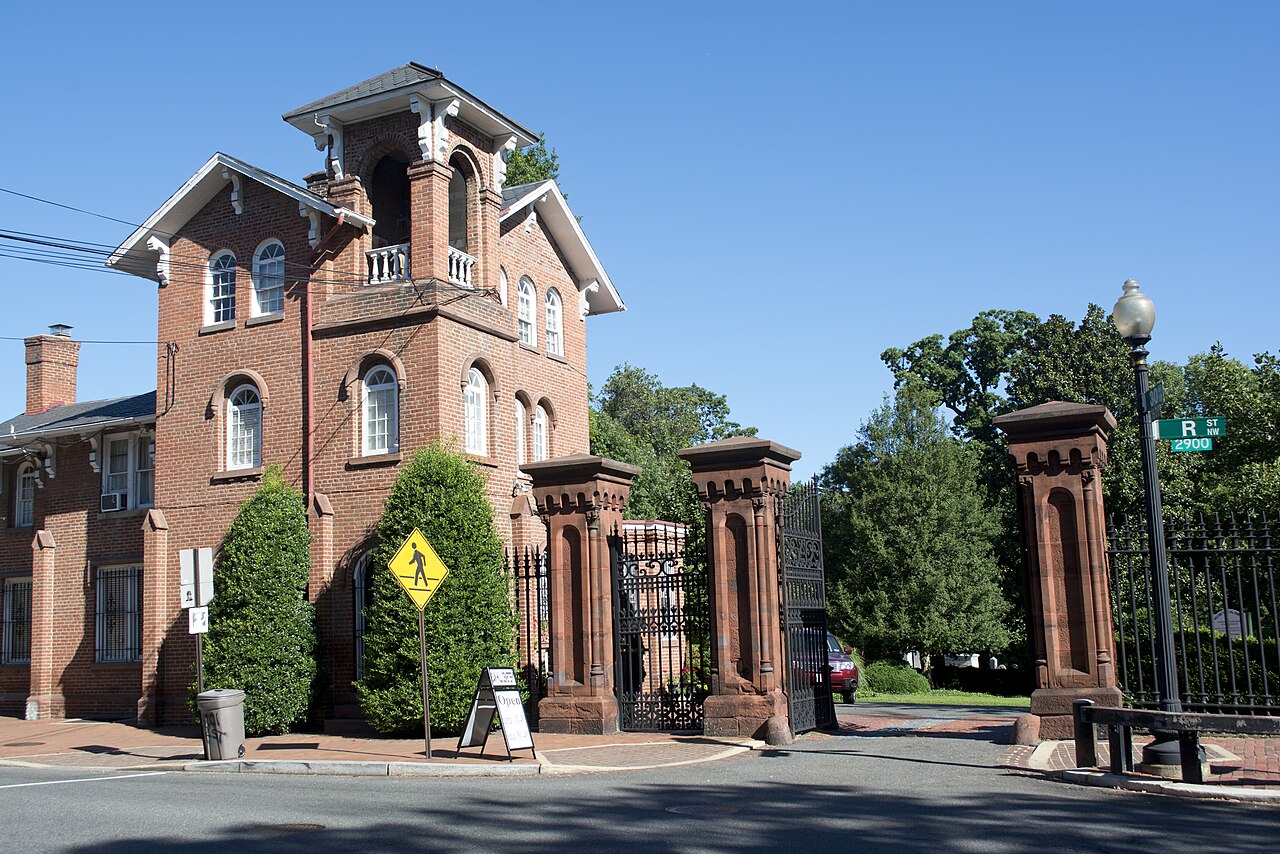
Photo: Quadell · CC BY-SA 3.0 · Wikimedia Commons
National Zoological Park is a zoological park in Washington, D.C., United States. Congress created the National Zoo in 1889. The free Lokali audio guide runs 7 minutes.
✓ Published October 2026 · how we write these guides
Visitor facts
| Lokali audio guide | 7 min · free |
|---|---|
| Type | Zoo |
| Location | Washington, United States |
| Coordinates | 38.9294, -77.0497 |
| Official website | nationalzoo.si.edu |
| Languages | 50+, in the Lokali app |
The story
Listen for a moment before you walk in. Traffic hums along Connecticut Avenue behind you, but ahead the ground falls away into trees. Somewhere below, a sea lion barks. A gibbon may be calling from the canopy. The path under your feet slopes gently downhill, and it keeps sloping for most of the day. That slope is the first thing to understand about this place. The National Zoo is not built on flat ground. It follows a wooded valley that runs down toward Rock Creek.
This is the Smithsonian's National Zoo, one of the oldest zoos in the United States. Congress created it in 1889. The goal was not only to show animals to the public. It was also meant to study them and protect them, which was an unusual idea for the time. Like the Smithsonian museums on the National Mall, the zoo belongs to the nation. It is part of the same institution that holds the dinosaur halls and the space capsules downtown.
Here is a detail most visitors never hear. Before this valley held a single enclosure, the Smithsonian kept live animals on the National Mall itself. They lived in pens behind the red sandstone building known as the Smithsonian Castle. The man behind much of this was William Temple Hornaday, a taxidermist and naturalist. He had travelled the American West and watched the bison herds collapse. He wanted living bison in the capital, as a warning and as a lifeline.
Those bison help explain why the zoo exists at all. In the late nineteenth century, the American bison came very close to extinction. Hornaday and others argued that a national zoo could help save species that were disappearing in the wild. That conservation idea still runs through the zoo today. It is part of a larger organisation that includes a conservation and research centre in Front Royal, Virginia, in the foothills of the Blue Ridge Mountains.
The landscape around you was planned with care. Frederick Law Olmsted, the landscape architect best known for New York's Central Park, helped shape the original layout. His approach was to work with the land, not against it. Look at how the paths curve along the hillside. Look at how buildings sit low among the trees. The main path through the zoo is called the Olmsted Walk, and it carries his name for that reason.
Now for a second surprise. Smokey Bear was real, and he lived here. In 1950, firefighters in New Mexico found a small black bear cub clinging to a burnt tree after a forest fire. The cub became the living symbol of the national campaign against wildfires. He was brought to the National Zoo, and he spent the rest of his life here. Visitors came by the thousands, and he received so much mail that he had his own postal code.
The animals most people ask about first are the giant pandas. Their story here began in 1972. After President Richard Nixon visited China, the Chinese government sent two pandas to Washington, named Ling-Ling and Hsing-Hsing. Crowds lined up for hours. Later pandas arrived in 2000, and several cubs were born here over the years. In late 2023, the last of those pandas returned to China. For a while, the panda habitat stood empty.
Then, in October 2024, two young pandas arrived from China, named Bao Li and Qing Bao. They are part of a new research and breeding agreement between the two countries. The panda area sits along the Asia Trail, a section of the zoo with bamboo, rock, and running water. When you watch them, notice how much time they spend eating. A panda's diet is almost entirely bamboo, and it must eat a great deal to get enough energy.
If you look up near the Great Ape House, you may see one of the zoo's most unusual sights. Tall towers stand in a line, connected by cables high above the walkway. This system is called the O Line. Orangutans can choose to climb out and travel along the cables over the heads of visitors. They are not forced to do it. Some days they cross, and some days they stay inside. If one moves above you, stand still and watch how it uses both hands and feet.
Further down the hill, the mood changes. The American Trail shows animals from North America, including seals, sea lions, beavers, and bald eagles. Elsewhere you can find elephants, big cats, reptiles, and a farm area for younger children. The Bird House was rebuilt and reopened around a theme of migration. It shows how birds move between continents across the seasons. Each area has its own sound — splashing water, the rustle of wings, the low rumble of an elephant.
The zoo also shares this valley with wild neighbours. Rock Creek Park surrounds much of the grounds, and wild animals often wander through. Herons may stand in the streams. Squirrels and songbirds move freely between enclosures and woods. Some visitors spend as much time watching the wild creatures as the official residents. It is a reminder that the line between the zoo and the city's own wildlife is thinner than it looks.
A practical thought before you go further. Because the zoo slopes downhill from Connecticut Avenue, the walk out is the harder part. Many visitors start at the top, walk down through the exhibits, and then face a long climb back. Pace yourself. Plan rest stops on the benches in the shade. Summer afternoons in Washington are hot and humid, and many animals rest in the heat. Early in the day, they are usually more active.
So pause here for a moment. Look at the trees above the paths, and at the light that comes through them in patches. Listen again for the sea lions, or the birds, or a child laughing at an otter. This valley has been a place of watching and caring for animals for well over a century. As you walk on, notice the slope beneath your feet. It will lead you down toward the creek, through the same land that Hornaday's bison once called home.
Key facts
What to look for
Practical tips
Common questions
Is there a free audio guide to National Zoological Park?
Yes — the Lokali app narrates National Zoological Park free of charge in 50+ languages. The guide runs about 7 minutes, covers the history, what to look for on site and practical tips, and works offline once downloaded.
Where is National Zoological Park?
National Zoological Park is in Washington, United States, at 38.9294, -77.0497. Tap the map link on this page for directions from where you are.
What is National Zoological Park known for?
Congress created the National Zoo in 1889. Part of the Smithsonian Institution, like the Mall museums.
What should you look for at National Zoological Park?
Orangutans travelling on cables above the walkway. Bamboo and running water along the Asia Trail. Pandas eating bamboo while sitting upright.
What should you know before visiting National Zoological Park?
Arrive early when animals are most active. Start at Connecticut Avenue and save energy for the climb.
When is the best time to visit National Zoological Park?
Carry water on hot, humid summer days.
On the map
Opens directions to National Zoological Park from your location.
More to see in Washington



Hear National Zoological Park in your language
The full story, narrated, in 50+ languages. Download it before you go and it plays offline, at your own pace, with no ticket and no tour group.