
Buxa Tiger Reserve
26.6500° N · 89.5800° E · National Park
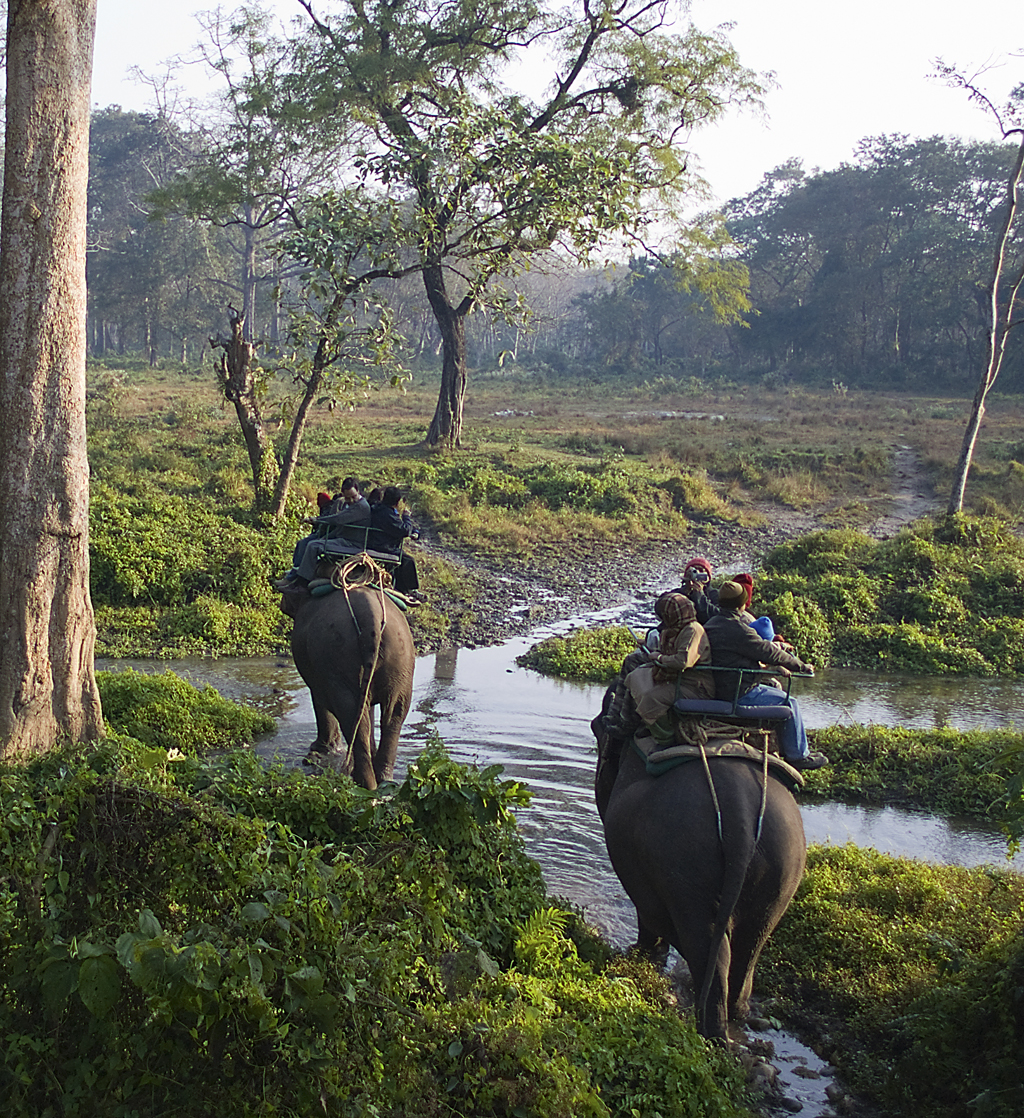
Photo: Ssandipchatterjee2016 · CC BY-SA 4.0 · Wikimedia Commons
Buxa Tiger Reserve is an Indian national park. It is near Alipurduar district, India. Declared a Project Tiger reserve in 1983. The free Lokali audio guide runs 7 minutes.
✓ Published October 2026 · how we write these guides
Visitor facts
| Lokali audio guide | 7 min · free |
|---|---|
| Type | National Park |
| Location | Alipurduar district, India |
| Coordinates | 26.6500, 89.5800 |
| Languages | 50+, in the Lokali app |
The story
Listen for a moment. Somewhere above you, a bird calls from the canopy. A breeze moves through tall sal trees, and the leaves rattle like dry paper. The air here smells of damp earth and green things growing. You are standing at the foot of the Himalaya, where the plains of northern Bengal begin to fold upward into hills. This is Buxa Tiger Reserve. It is a forest that has been a border, a battlefield, a prison and a refuge.
First, let us place ourselves on the map. The reserve lies in Alipurduar district, in the far north of West Bengal, India. To the north, the forest runs up to the international border with Bhutan. To the east, it meets the state of Assam. This whole belt of land is called the Dooars. The name comes from the word for doors. For centuries these lowlands were the doorways through which traders, armies and pilgrims passed between the hills of Bhutan and the plains of Bengal.
The forest itself changes as the ground rises. Down on the flatter land, you find sal forest, with straight, tall trunks and broad leaves. Along the rivers, there are open grasslands and wide beds of pale stones. Higher up, in the Sinchula hills, the trees grow denser and the slopes turn steep. The rivers that cut through the reserve, such as the Jayanti, can be gentle trickles in the dry months. Then the monsoon arrives, and they become fast, brown torrents.
The reserve was declared part of India's Project Tiger in 1983. Project Tiger is the national conservation programme that began in the 1970s to protect India's wild tigers and their habitat. Here is the first thing many visitors do not expect. In Buxa, tigers are very rarely seen. For long stretches of recent history, sightings were so scarce that people questioned whether tigers still lived here at all. Today, conservation teams work to strengthen the population and restore the forest that tigers need.
So what does live here? A great deal. Asian elephants move through this forest along old routes that link Bhutan, Bengal and Assam. Gaur also live here. Gaur are the massive wild cattle of South Asia, with dark coats and pale lower legs that look like white socks. Leopards, wild pigs, several kinds of deer and many small cats share the woods. You may not see most of them. But you can often find their signs: a fresh footprint in the mud, a broken branch, a patch of trampled grass.
If you enjoy birds, this forest has a great deal to offer. Hundreds of bird species have been recorded across the reserve. Hornbills are among the most memorable. They are large birds with heavy, curved bills, and their wings make a loud whooshing sound as they fly overhead. You might also hear the sharp calls of drongos, or catch a flash of colour from a kingfisher by the water. Early morning is the liveliest time. The forest is cooler then, and the birds are most active.
Now, let us turn to the human story, because this forest holds one of the most unusual buildings in the region. High in the hills sits Buxa Fort. Long ago, this was Bhutanese territory, and the fort guarded a key route between the mountains and the plains. In the 1860s, after a war between Britain and Bhutan, the British took control of the Dooars. The fort passed into British hands with that land.
Here is the second surprise. Under British rule, this remote hill fort became a detention camp. During India's struggle for independence, the colonial government held political prisoners here. Many of them were young freedom fighters from Bengal. The fort's isolation was the point. It sat far from cities, deep in forest, on a hill that took real effort to reach. For the prisoners, the forest around them was not scenery. It was a wall.
The fort's story did not end with independence. In 1959, after the Dalai Lama fled Tibet, many Tibetan refugees crossed into India. A large group of Tibetan monks was housed at Buxa. For several years, the old prison became a place of study and prayer. Monks continued their religious education here, in difficult conditions, before they moved to other settlements in India. So the same stone walls held captives in one generation and refugees in the next.
Reaching the fort today still takes some effort. Most visitors walk up a forest trail from the road below. The path climbs through trees and past small hill villages. Many of the people in these upland villages belong to the Dukpa community, whose roots and culture link closely to Bhutan. As you climb, notice the houses, the terraced gardens and the quiet pace of life. Please greet people warmly and respect their homes. This is their village, not only a trail.
The name of the main entry point, Rajabhatkhawa, carries its own story. Roughly translated, it means the place where the king ate rice. According to a popular local tale, a king of Cooch Behar shared a meal here after a dispute with Bhutan was settled. Historians treat this as legend rather than documented fact. But it fits the place well. This has always been a meeting ground between two worlds, where deals were made and borders were argued over.
Near Jayanti village, there is another kind of journey. A walking route leads to the Mahakal caves, a site that is sacred to many Hindu pilgrims. The caves contain limestone formations, shaped slowly by dripping water over a very long time. Pilgrims come to pray, especially during religious festivals. The walk follows a riverbed and rocky ground, so it suits people with good shoes and steady legs. Even if you do not go inside, the riverside setting is quiet and calm.
As you prepare to leave, take one more look around you. Notice the line where the plains meet the hills, and the shade under the sal trees. Listen again for the birds, and for the river if it is running. Somewhere in this forest, elephants are moving along paths far older than any fort. And perhaps, deep in the hills, a tiger is moving too... unseen, as it has always preferred. Walk out slowly. Leave the forest as quiet as you found it.
Key facts
What to look for
Practical tips
Common questions
Is there a free audio guide to Buxa Tiger Reserve?
Yes — the Lokali app narrates Buxa Tiger Reserve free of charge in 50+ languages. The guide runs about 7 minutes, covers the history, what to look for on site and practical tips, and works offline once downloaded.
Where is Buxa Tiger Reserve?
Buxa Tiger Reserve is near Alipurduar district, India, at 26.6500, 89.5800. Tap the map link on this page for directions from where you are.
What is Buxa Tiger Reserve known for?
Declared a Project Tiger reserve in 1983. Northern boundary runs along the border with Bhutan.
What should you look for at Buxa Tiger Reserve?
Tall straight sal trunks lining the lower forest roads. Wide pale stony riverbeds along the Jayanti River. Gaur with dark coats and white lower legs.
What should you know before visiting Buxa Tiger Reserve?
Arrive early morning for the best birdwatching and cooler air. Wear sturdy shoes for the uphill trail to Buxa Fort.
When is the best time to visit Buxa Tiger Reserve?
Arrive early morning for the best birdwatching and cooler air.
On the map
Opens directions to Buxa Tiger Reserve from your location.
More to see near Buxa Tiger Reserve
Hear Buxa Tiger Reserve in your language
The full story, narrated, in 50+ languages. Download it before you go and it plays offline, at your own pace, with no ticket and no tour group.