
Rembrandt House Museum
52.3694° N · 4.9014° E · Museum
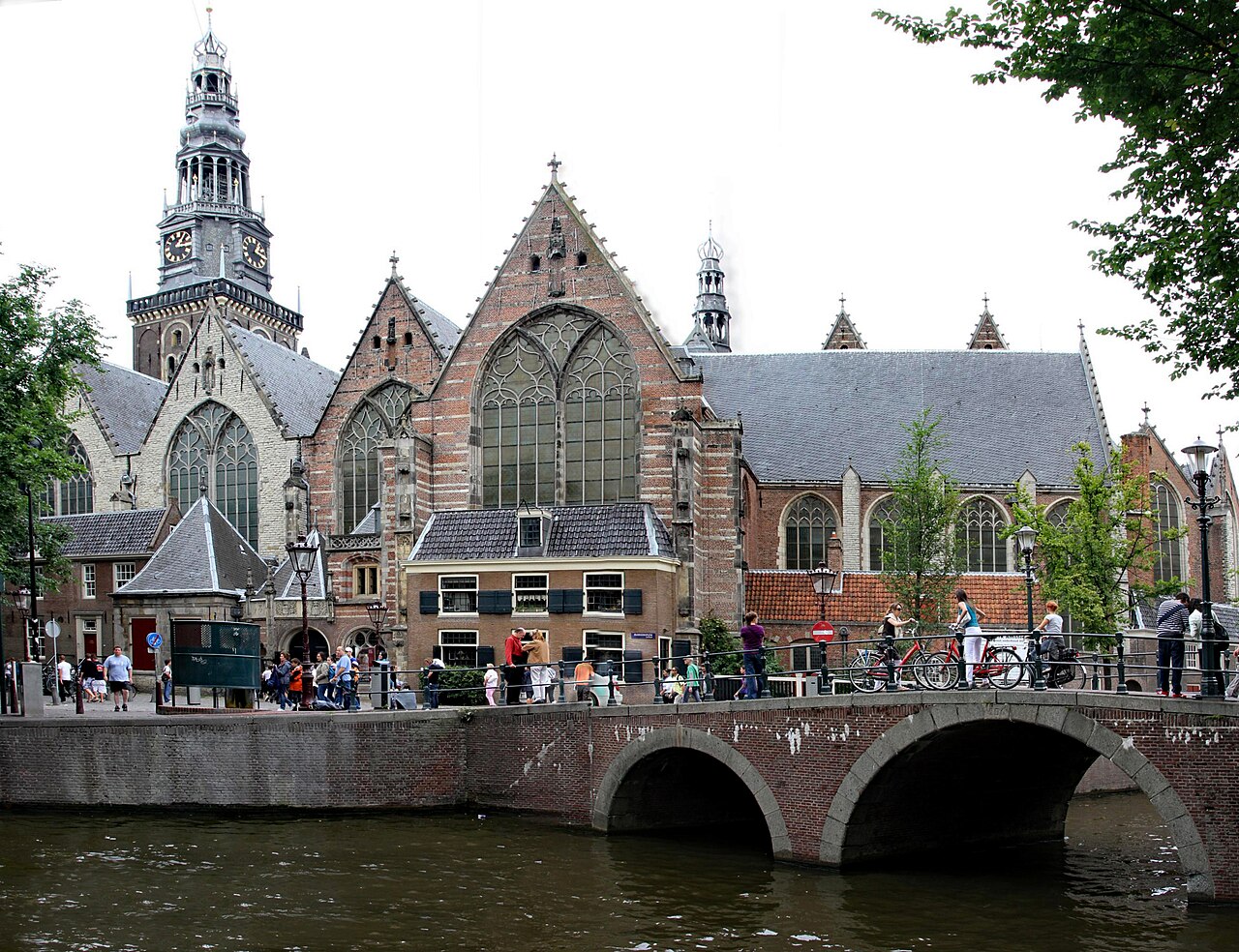
Photo: 14:43, 17 October 2006 · CC BY-SA 3.0 · Wikimedia Commons
Rembrandt House Museum is a historic house and art museum in Amsterdam in the Netherlands. Rembrandt bought this house in 1639. The free Lokali audio guide runs 6 minutes.
✓ Published October 2026 · how we write these guides
Visitor facts
| Lokali audio guide | 6 min · free |
|---|---|
| Type | Museum |
| Location | Amsterdam, Netherlands |
| Coordinates | 52.3694, 4.9014 |
| Official website | rembrandthuis.nl |
| Languages | 50+, in the Lokali app |
The story
Listen for a moment. Behind you, trams squeal through the curve of Jodenbreestraat, and bicycles tick past on the brick. In front of you rises a tall, narrow house of red brick and pale stone, with tall shuttered windows. In the seventeenth century, this was one of the more expensive addresses on the street. For close to twenty years, it was home to Rembrandt van Rijn, the painter many people consider the greatest of the Dutch Golden Age.
Rembrandt bought this house in 1639. He was in his early thirties, newly famous, and married to Saskia van Uylenburgh, who came from a well-connected family. The price was very high, about 13,000 guilders, far more than most craftsmen earned in a lifetime. He agreed to pay in installments. That decision follows him through the rest of this story, because he never managed to pay off the debt.
In those years, this street was called Sint Antoniesbreestraat. It was a neighbourhood of merchants, artists and newcomers. Many Sephardic Jewish families, whose ancestors had fled Spain and Portugal, settled in the streets around here. Rembrandt drew and painted people from this quarter. Look down the road toward Waterlooplein and imagine those faces. Some of them may have walked past this same front door on their way to market.
Now, a surprise that many visitors miss. The rooms you walk through today were not preserved untouched since Rembrandt's time. The house changed hands many times and was altered over the centuries. So how do curators know what each room looked like? The answer is a single document. In 1656, when Rembrandt's finances collapsed, officials made a detailed inventory of everything he owned, room by room.
That inventory is a remarkable source. It lists paintings by name, it notes furniture, it mentions plaster casts, weapons and shells. It tells us which object stood in which room. The museum used this list to rebuild the interiors with period furniture and artworks. When you see a bed, a chair or a painting on a wall here, it is often placed there because a clerk wrote it down more than three centuries ago.
On the ground floor, the kitchen and the entrance hall set the scene. Notice the tiled floors, the dark wood and the heavy beams. Look for the box bed, a small enclosed bed built into the wall like a cupboard. People slept half sitting up in these beds. The entrance hall was also a showroom. Rembrandt worked as an art dealer, and buyers would see paintings for sale as soon as they stepped inside.
Upstairs, the rooms become more personal. Many Dutch homes of this period mixed living and business, and this house is no exception. There were rooms for receiving clients and rooms where the family lived. Saskia died in 1642, not long after the birth of their son Titus. Later, Hendrickje Stoffels lived here with Rembrandt and became the partner of his later years. These rooms hold the quiet weight of that family history.
The room that surprises many people most is the art cabinet, which the Dutch called a kunstkamer. Think of it as a private museum of curiosities. Rembrandt collected shells, coral, antique busts, armour, weapons and objects from distant countries. He used many of them as props in his paintings. Look closely at the shells in the cases. Rembrandt made a delicate etching of one spiral seashell, and you may find yourself searching for it.
At the top of the house is the large studio. Here the light matters more than anything else. The tall windows bring in soft daylight, which painters valued because it changes slowly through the day. Rembrandt painted, taught and talked here. He had many students, and some became well-known painters in their own right. Nearby is a smaller room where students worked, separated by simple partitions.
The museum also shows how art was made, not only what was made. On many days, staff demonstrate how painters ground pigments into oil paint by hand. Others demonstrate etching on an old-style printing press. Etching is a technique where the artist scratches a design through a wax coating on a copper plate. Acid then bites the lines into the metal, and ink fills them. Rembrandt was one of history's greatest etchers, and the museum holds a large collection of his prints.
Now back to money. Rembrandt's fame did not protect him from debt. Tastes changed, the economy struggled, and he kept buying art and objects. In 1656, he applied for a form of insolvency, and his possessions were sold. Around 1658, he left this house for good. He moved to a much more modest home in the Jordaan, a working neighbourhood on the west side of the city. He kept painting there until his death in 1669.
The house became a museum in the early twentieth century. Since then, it has been restored several times, with a modern building next door for exhibitions and visitor facilities. The contrast is part of the experience. You move from a quiet, creaking interior to clean modern galleries in a few steps. Temporary exhibitions often show work by Rembrandt's students, his rivals or modern artists who respond to him.
As you leave, stand on the pavement and look up at the facade one more time. Notice the shutters and the narrow, upright shape of the house, typical of Amsterdam's canal-era buildings. To one side, the spire of the Zuiderkerk rises above the rooftops. Rembrandt knew that church tower well. When the tram passes and the bicycles flow around you, remember that this street has always been busy with people. A painter once watched them from those same windows... and turned what he saw into art.
Key facts
What to look for
Practical tips
Common questions
Is there a free audio guide to Rembrandt House Museum?
Yes — the Lokali app narrates Rembrandt House Museum free of charge in 50+ languages. The guide runs about 6 minutes, covers the history, what to look for on site and practical tips, and works offline once downloaded.
Where is Rembrandt House Museum?
Rembrandt House Museum is in Amsterdam, Netherlands, at 52.3694, 4.9014. Tap the map link on this page for directions from where you are.
What is Rembrandt House Museum known for?
Rembrandt bought this house in 1639. The purchase price was about 13,000 guilders.
What should you look for at Rembrandt House Museum?
The box bed built into the wall downstairs. Spiral seashells displayed in the art cabinet. North-facing windows lighting the top-floor studio.
What should you know before visiting Rembrandt House Museum?
Book a timed entry slot online on busy weekends. Use the included audio tour for room-by-room context.
On the map
Opens directions to Rembrandt House Museum from your location.
More to see in Amsterdam


Hear Rembrandt House Museum in your language
The full story, narrated, in 50+ languages. Download it before you go and it plays offline, at your own pace, with no ticket and no tour group.