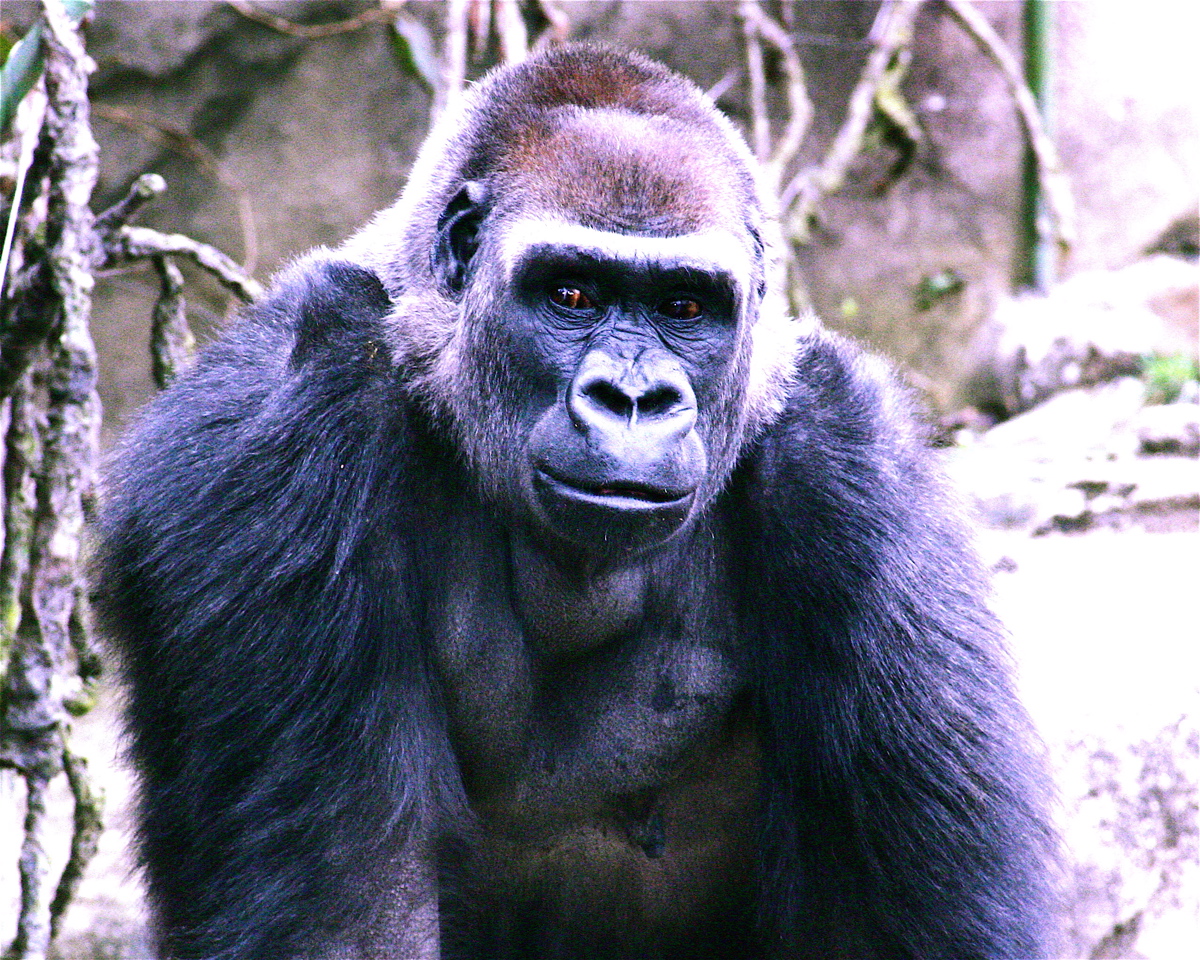
Cincinnati Zoo and Botanical Garden
39.1450° N · 84.5075° W · Zoo
Photo: Wikimedia Commons contributor · CC BY-SA 2.5 · Wikimedia Commons
Cincinnati Zoo and Botanical Garden is the second oldest zoo in the United States. It is in Cincinnati, United States. Opened in 1875, second-oldest zoo in the United States. The free Lokali audio guide runs 7 minutes.
✓ Published October 2026 · how we write these guides
Visitor facts
| Lokali audio guide | 7 min · free |
|---|---|
| Type | Zoo |
| Location | Cincinnati, United States |
| Coordinates | 39.1450, -84.5075 |
| Official website | cincinnatizoo.org |
| Languages | 50+, in the Lokali app |
The story
Listen for a moment. Somewhere ahead, a bird calls from a tree you cannot quite see. Gravel crunches under strollers, a child laughs near a railing, and the air carries the green smell of leaves and wet soil. The paths curve gently, shaded by old trees. This is the Cincinnati Zoo and Botanical Garden, and it is one of the oldest places of its kind in the United States. Before we meet any animals, take a breath and notice the trees. They are part of the story too.
The zoo opened its gates in 1875. That makes it the second-oldest zoo in the country, after Philadelphia. It sits in Avondale, a hilly neighbourhood north of downtown Cincinnati. In the nineteenth century, this land sat at the edge of the growing city. Families came out by streetcar for a day among animals and gardens. That idea, a day out with nature close to the city, still shapes how the grounds feel today.
The zoo has deep roots in Cincinnati's German community. In the nineteenth century, thousands of German immigrants settled in the city and brought their love of parks, music and public gardens. A German-born businessman named Andreas Erkenbrecher is remembered as a driving force behind the early zoo. Here is a surprising detail. His first interest was not lions or elephants. It was songbirds. He wanted to release insect-eating birds to fight the caterpillars that were damaging local trees.
From that practical start, the collection grew. One building from those first years still stands. The Reptile House, built for the zoo's opening, is considered the oldest zoo building in the United States. It is a National Historic Landmark, which is the country's highest recognition for a historic place. When you see it, look at its shape and its old masonry. It was designed in an era when visitors had never watched a live tropical animal up close.
Now for the most moving story on these grounds. In the early twentieth century, the zoo kept a passenger pigeon named Martha. Passenger pigeons once flew over North America in enormous flocks. People described them blocking out the sun for hours. Hunting and the loss of forests destroyed them within a few decades. Martha died here in 1914. She was the last known passenger pigeon on Earth. With her death, the species was gone.
The sadness did not end there. A few years later, in 1918, a bird called Incas died in the same aviary. He was the last known Carolina parakeet, the only parrot native to the eastern United States. Today a small memorial building stands on the grounds, a reminder of both birds. It is a quiet spot, easy to walk past. Pause there if you can. Few places in the world mark the exact point where a species disappeared.
Those losses help explain what the zoo does today. Behind the public paths, the zoo runs a research centre for endangered wildlife. Scientists there study animal reproduction, plant conservation and the frozen storage of cells and seeds. Their best-known success involves the Sumatran rhino, one of the rarest large mammals on the planet. In 2001, a calf was born here. It was the first Sumatran rhino born in captivity in more than a century.
Of course, many visitors come for a more recent celebrity. In 2017, a baby hippo named Fiona was born here, weeks before she was due. She was so small that keepers cared for her around the clock. Updates on her progress spread online, and people around the world followed her story. Fiona grew into a healthy adult. You may meet her and her family at the hippo exhibit, where an underwater window lets you watch them move through the water.
That underwater view is worth a moment. On land, hippos look heavy and slow. Under the water, they push off the bottom and almost glide, moving with surprising lightness. Children often press close to the glass to watch. If the water is clear and the hippos are active, you may see them walking along the floor of the pool. It is one of the best places in the zoo to simply stand and watch for a few minutes.
Now look again at the plants around you. The words Botanical Garden in the name are not decoration. The grounds hold thousands of kinds of plants, from tall trees to seasonal flower beds. Gardeners use plants to make each habitat feel closer to an animal's home landscape. In spring, the beds fill with tulips and other bulbs. In summer, the shade of the trees becomes a gift on hot afternoons. The garden changes every season, so no two visits look the same.
The zoo also pays attention to how it uses energy and water. Over the main parking lot, a large canopy of solar panels shades the cars and produces electricity at the same time. Rainwater is collected and reused in some exhibits. These choices are easy to miss, but they connect to the same lesson that Martha's story teaches. Small daily decisions about land, water and energy shape what survives.
If you visit in winter, the place takes on a very different mood. During the holiday season, the zoo hosts a large Festival of Lights. Paths and trees glow with colour, and the cold air smells of hot chocolate and roasted snacks. Many Cincinnati families treat it as a yearly tradition. Some animals stay indoors in colder weather, so the experience centres more on the lights and the walk itself than on the exhibits.
As you continue your walk, remember the layers beneath your feet. There is the nineteenth-century city that wanted a park for its families. There are the birds that disappeared here, and the scientists working so others do not. And there are the living animals in front of you now. Look up at the canopy above the path. Listen again for that birdsong. It is a fitting sound in a place that began with a wish to bring more birds into the city.
Key facts
What to look for
Practical tips
Common questions
Is there a free audio guide to Cincinnati Zoo and Botanical Garden?
Yes — the Lokali app narrates Cincinnati Zoo and Botanical Garden free of charge in 50+ languages. The guide runs about 7 minutes, covers the history, what to look for on site and practical tips, and works offline once downloaded.
Where is Cincinnati Zoo and Botanical Garden?
Cincinnati Zoo and Botanical Garden is in Cincinnati, United States, at 39.1450, -84.5075. Tap the map link on this page for directions from where you are.
What is Cincinnati Zoo and Botanical Garden known for?
Opened in 1875, second-oldest zoo in the United States. Reptile House is the oldest zoo building in America.
What should you look for at Cincinnati Zoo and Botanical Garden?
The memorial building honouring Martha and the Carolina parakeet. Old masonry and shape of the historic Reptile House. Hippos gliding along the pool floor through the underwater window.
What should you know before visiting Cincinnati Zoo and Botanical Garden?
Arrive early on summer days for cooler air and active animals. Wear comfortable shoes for the zoo's hilly, winding paths.
When is the best time to visit Cincinnati Zoo and Botanical Garden?
Visit in spring to see the flower beds at their peak.
On the map
Opens directions to Cincinnati Zoo and Botanical Garden from your location.
More to see in Cincinnati


Hear Cincinnati Zoo and Botanical Garden in your language
The full story, narrated, in 50+ languages. Download it before you go and it plays offline, at your own pace, with no ticket and no tour group.