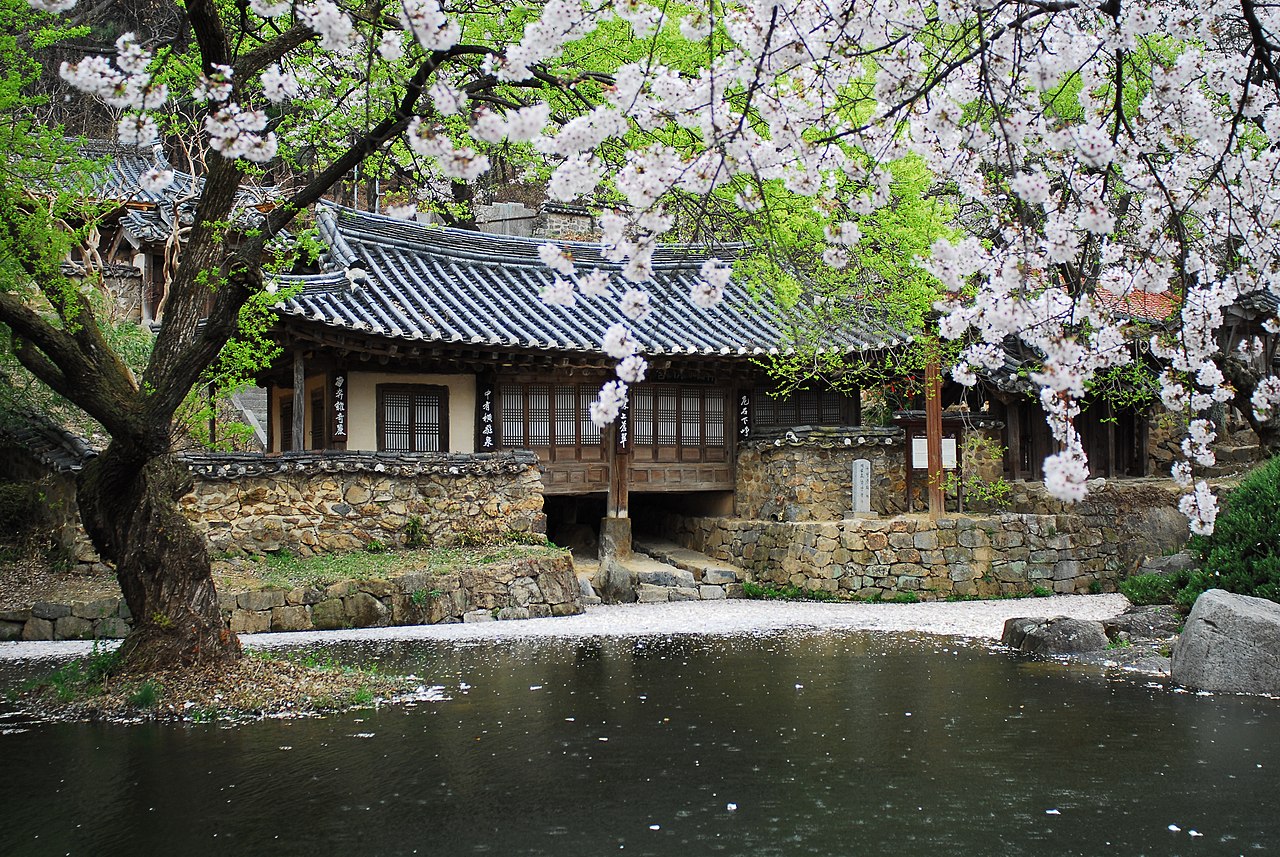
Daejeon Expo Park is a sprawling 830-hectare park built on the grounds of the 1993 Daejeon Expo. It is in Daejeon, South Korea. Most visitors spend 2–3 hours here. The free Lokali audio guide runs 6 minutes.
✓ Verified August 2026 · how we write these guides
Visitor facts
| Time needed | 2–3 hours |
|---|---|
| Lokali audio guide | 6 min · free |
| Type | Park |
| Best for | Photography |
| Location | Daejeon, South Korea |
| Coordinates | 36.3737, 127.3690 |
| Languages | 45, in the Lokali app |
The story
A tall, slim tower rises ahead of you, its top catching the light high above the river. All around its base, wide walkways stretch out and run off in every direction. This is Expo Park in Daejeon. It is the ground where Korea held a great science fair back in 1993, and it is where the city still comes today to walk, to rest, and to remember that year.
In 1993, Daejeon hosted a full World Expo. For several months that year, visitors poured in from many different countries to see a whole set of pavilions built here along the river. The fair was all about science and the shape of the future. For Korea, it was a deeply proud moment, a rare chance to stand up and show the wider world just how far the country had come.
The lasting symbol of that fair was the Hanbit Tower, and it still stands today. Hanbit means great light in Korean. The tower rises high over the park, slim and pale and tall, and you can pick it out from a long way off. It is the first thing that most people look for the very moment they arrive. It still marks the true heart of the old expo grounds.
The fair also had a friendly mascot, a small character named Kkumdori. He was a round little figure with a single antenna standing up on his head, drawn to stand for curiosity, science, and dreams. Many people who came here as young children in 1993 still remember him fondly. His cheerful shape turns up here and there around the grounds even now, a quiet reminder of that year.
Daejeon is known right across Korea as a city of science. Research institutes, laboratories, and universities fill whole districts of it. Choosing to hold the Expo here made perfect sense at the time. The great fair planted one idea very firmly in the public mind: this is the place in Korea where people study and build the future. The park still works to keep that old idea alive.
The grounds sit right beside a river, with several bridges crossing the slow water nearby. Wide, flat paths run the length of both banks. People come down here to walk, to cycle, and to let their children play in the open. On warm evenings, the whole riverside slowly fills up with families out strolling. This open green space is one of the largest anywhere in the entire city.
Over all the years since the fair closed, the site has changed a great deal. Some of the old pavilions were taken down. New buildings have gone up in their place. The city has worked hard to renew the grounds and give them a fresh purpose, while still keeping the tower and the memory of 1993 at the very center of it all. Expect a place that is part history and part new construction.
For most visitors, the real pleasure here is simply the space and the open air. After the close, crowded streets of the city, the park suddenly opens up wide around you. The sky overhead feels much larger. The river slides slowly past. You can walk a long way here without once having to cross a road. That rare openness is the lasting gift of the old fairgrounds.
The science theme still continues in the museums and exhibition halls near the park. Daejeon's main national science museum stands close by, and several other display spaces sit within an easy walk. A visit to the park can join naturally with a visit to one of these. Taken together, they tell the longer story of how this place became the science city it is today.
In the evening, the tower and the bridges all light up. Their bright reflections fall and waver on the dark surface of the river. People slow their pace right down and walk quietly along the bank. The lit tower standing over the black water is the single picture that many visitors carry away from this place. It is at its best seen after the sun has fully gone down.
What this park really holds is memory, just as much as it holds open space. A whole country once gathered together here, on this very ground, to look ahead at the future. That imagined future is now simply the present, and the city has grown up quietly all around these grounds. Walking here today, you stand right inside a living piece of that larger story.
So look up at the tower one last time before you go. Think of the great crowds that filled this ground back in 1993, all of them looking ahead toward years that have now quietly arrived. The river still moves along. The light still shines out over the water. The future that they once imagined here is the very day that you are standing in.
Key facts
What to look for
Practical tips
Common questions
How long do you need at Daejeon Expo Park?
Plan 2–3 hours. That is the time most visitors spend at Daejeon Expo Park. The free Lokali audio guide adds about 6 minutes of narration you can listen to as you walk, so it fits inside your visit rather than adding to it.
Is there a free audio guide to Daejeon Expo Park?
Yes — the Lokali app narrates Daejeon Expo Park free of charge in 50+ languages. It covers the history, what to look for on site and practical tips, and it works offline once downloaded.
Where is Daejeon Expo Park?
Daejeon Expo Park is in Daejeon, South Korea, at 36.3737, 127.3690. Tap the map link on this page for directions from where you are.
What should you know before visiting Daejeon Expo Park?
Come in the evening to see the lights.
What is Daejeon Expo Park known for?
Daejeon hosted a World Expo in 1993.
What is the best time to visit Daejeon Expo Park?
Visit early morning to avoid crowds.
On the map
Opens directions to Daejeon Expo Park from your location.
Reference
More to see in Daejeon


Hear Daejeon Expo Park in your language
The full story, narrated, in 50+ languages. Download it before you go and it plays offline, at your own pace, with no ticket and no tour group.