National Aviation Hall of Fame
39.7829° N · 84.1070° W · Museum
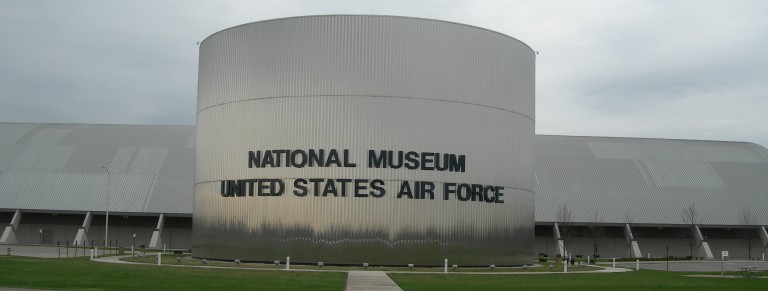
National Aviation Hall of Fame is an aviation museum, annual awards ceremony, learning and research center. It is near Dayton, United States. Located inside the National Museum of the United States Air Force. The free Lokali audio guide runs 6 minutes.
✓ Published October 2026 · how we write these guides
Visitor facts
| Lokali audio guide | 6 min · free |
|---|---|
| Type | Museum |
| Location | Dayton, United States |
| Coordinates | 39.7829, -84.1070 |
| Official website | nationalaviation.org |
| Languages | 50+, in the Lokali app |
The story
Listen for a moment. The air here carries a low hum: ventilation, footsteps on polished floors, and the murmur of visitors far off in the huge hangars nearby. Light falls across rows of faces, each one a portrait of someone who changed the way people move through the sky. You are standing in a place built not around machines, but around people.
The National Aviation Hall of Fame sits within the grounds of the National Museum of the United States Air Force, at Wright-Patterson Air Force Base, just outside Dayton, Ohio. Most visitors come for the aircraft, the bombers and fighters and rockets in the vast galleries beyond. Many walk past this space without realising what it holds. It holds the names behind the wings, the stories of the pilots, engineers, astronauts and inventors who made flight possible.
Why Dayton? The answer begins with two brothers who ran a bicycle shop in this city. Wilbur and Orville Wright built and repaired bicycles here in the late nineteenth century. They used the profits, and the mechanical skill they learned at the workbench, to chase a much bigger idea. In December 1903, on the windswept dunes of North Carolina, they made the first sustained, controlled, powered flight in a heavier-than-air machine.
Here is the part many visitors miss. The famous flights happened in North Carolina, but the real work of learning to fly happened here, in Ohio. After 1903 the brothers returned home and kept practising on a cow pasture called Huffman Prairie, not far from where you stand. Over many circuits of that field they learned to turn, to bank and to stay aloft for long minutes. Dayton, in a real sense, is where flying became a skill rather than a stunt.
The Hall of Fame grew from that local pride. It was founded in Dayton in the early 1960s, and in 1964 the United States Congress granted it a federal charter. That charter matters. It gives this institution a national role in honouring the people who shaped American aviation and spaceflight. Fittingly, the Wright brothers were among the very first names enshrined here.
The word the Hall uses is enshrinement, not induction, and the choice is deliberate. It suggests something lasting, a place in memory rather than a simple award. Each year, new names are added at a formal ceremony, often attended by families, fellow aviators and veterans. Over the decades, the roll has grown to more than two hundred people, and it keeps growing.
As you move through the displays, you will meet faces you know. Charles Lindbergh, who flew alone across the Atlantic in 1927. Amelia Earhart, who pushed the limits of long-distance flying and inspired generations of women pilots. Chuck Yeager, the test pilot who first flew faster than the speed of sound. Each portrait carries a short story. Take a moment with the ones you do not recognise. Those are often the most surprising.
And here is a second surprise, close to home. Ohio has produced a remarkable share of the people honoured in this hall. Neil Armstrong, the first person to walk on the Moon, grew up in the small Ohio town of Wapakoneta. John Glenn, the first American to orbit the Earth, was also an Ohioan. Locals sometimes call their state the birthplace of aviation, and the evidence on these walls makes a strong case.
Not everyone here was a pilot. The Hall also honours designers, engineers, manufacturers and teachers. Some built the engines. Some drew the wings. Some trained the people who flew them. This is worth noticing, because it shows how flight has always depended on teamwork. A single famous flight usually sits on the shoulders of hundreds of quiet hours in workshops and drawing offices.
The setting adds weight to the experience. Wright-Patterson Air Force Base is an active military installation with deep roots in aviation research. The museum around you holds aircraft from the earliest days of flight to the space age. That means you can read about a person here, then walk a short distance and stand beside the kind of aircraft they flew or helped to design. Few halls of fame offer that kind of direct connection.
The Hall also looks forward, not only back. Its work includes education, with programmes aimed at encouraging young people to explore science, technology and flight. You may notice school groups moving through the museum, children pressing close to the displays. In a quiet way, that is the point of this place. The stories on these walls began with curious young people too.
Pause and look at the space itself. Notice how the portraits are arranged, how the light falls on each face, how the names are given room to breathe. There is a calm here that contrasts with the scale of the hangars outside. The machines are loud, even when silent. The faces are quieter. They invite you to slow down and to imagine the courage, the doubt and the stubborn patience behind each life.
Before you leave, think back to that small bicycle shop in Dayton. Two brothers, a workbench, and an idea most people laughed at. From that beginning came everything around you, from barnstormers to astronauts. As you walk back into the museum, listen again for the hum of the hangars, and look up for a moment. The sky above Dayton is where this story first learned to rise.
Key facts
What to look for
Practical tips
Common questions
Is there a free audio guide to National Aviation Hall of Fame?
Yes — the Lokali app narrates National Aviation Hall of Fame free of charge in 50+ languages. The guide runs about 6 minutes, covers the history, what to look for on site and practical tips, and works offline once downloaded.
Where is National Aviation Hall of Fame?
National Aviation Hall of Fame is near Dayton, United States, at 39.7829, -84.1070. Tap the map link on this page for directions from where you are.
What is National Aviation Hall of Fame known for?
Located inside the National Museum of the United States Air Force. Granted a federal charter by Congress in 1964.
What should you look for at National Aviation Hall of Fame?
Rows of portraits honouring pilots, engineers and astronauts. Wilbur and Orville Wright among the earliest enshrinees. Short biographies placed beside each enshrinee's portrait.
What should you know before visiting National Aviation Hall of Fame?
Expect security checks when entering the Wright-Patterson museum grounds. Plan most of a day to see the wider museum.
On the map
Opens directions to National Aviation Hall of Fame from your location.
More to see in Dayton
Hear National Aviation Hall of Fame in your language
The full story, narrated, in 50+ languages. Download it before you go and it plays offline, at your own pace, with no ticket and no tour group.