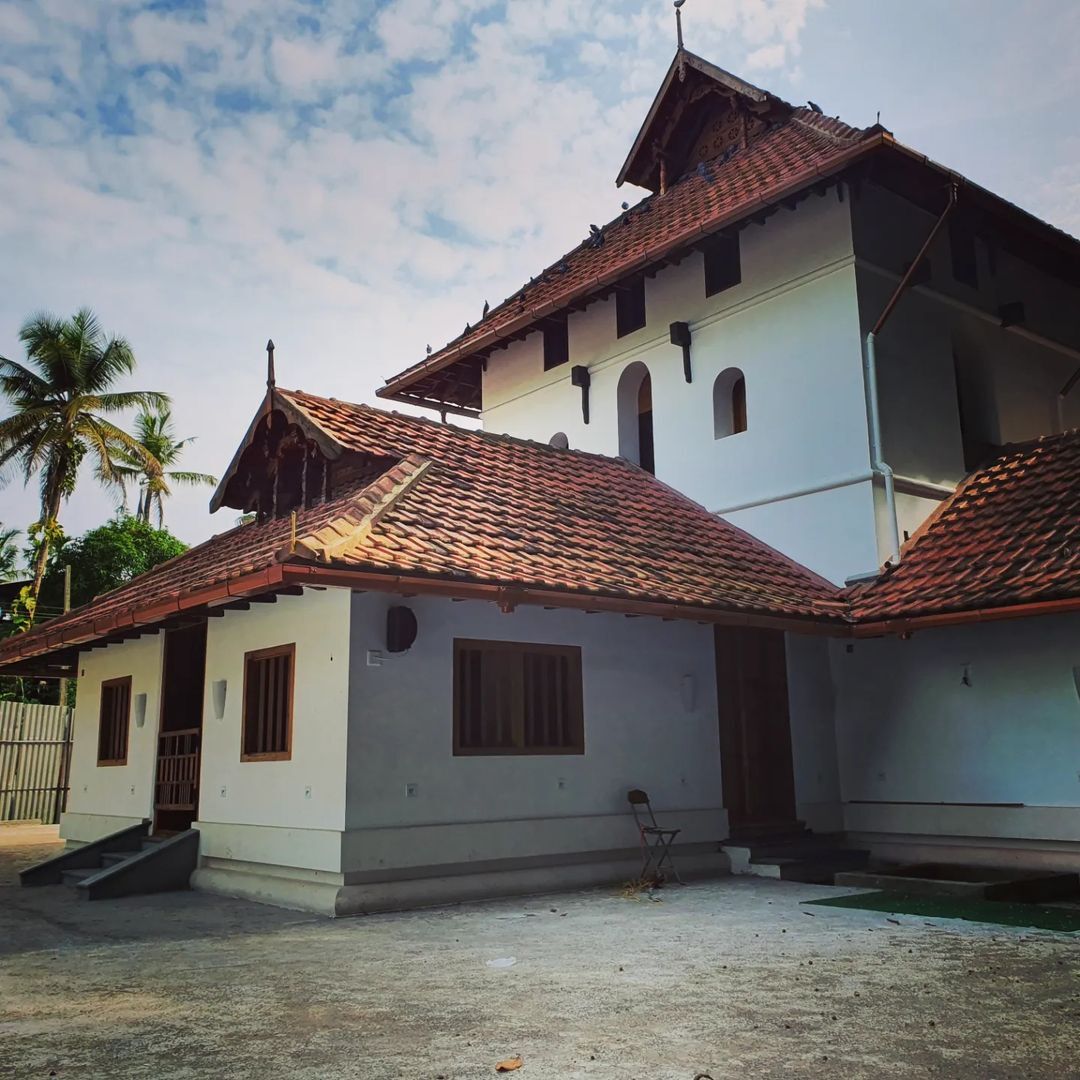
Juma Mosque is a mosque in Durban, South Africa. South Africa's largest mosque, completed in 1927, serving Durban's Muslim community. Most visitors spend 30–45 min here. The free Lokali audio guide runs 5 minutes.
✓ Verified August 2026 · how we write these guides
Visitor facts
| Time needed | 30–45 min |
|---|---|
| Lokali audio guide | 5 min · free |
| Type | Mosque |
| Best for | History |
| Location | Durban, South Africa |
| Coordinates | -29.8693, 31.0311 |
| Languages | 45, in the Lokali app |
The story
The call to prayer reaches the street first. It rises above the noise of traffic and trade, slow and clear, five times each day. You are standing in the old heart of central Durban, before the Juma Masjid. Its golden domes catch the light high above you. Around its base, the busy street carries on, full of shops and people and movement.
This is often called the largest mosque in the Southern Hemisphere. It was first built in the late nineteenth century, when Durban's Muslim community was growing fast. Many of its members had come from India, drawn to the city by work and trade. As the community grew, so did its mosque. The building took its present, larger shape in the 1920s.
Look up at the front of the mosque. Tall minarets rise on either side, topped with golden domes that shine in the sun. The shapes are drawn from the architecture of the Muslim world, carried across the ocean and set down here in southern Africa. Between the towers, arched windows line the upper wall in a long and even row.
The mosque stands in the old Grey Street area, long the centre of Indian Durban. The streets around it are full of shops selling cloth, spices, and gold. The smell of incense and cooking drifts on the air. Trade and prayer have lived side by side here for a very long time, each making room for the other.
To enter the mosque, visitors remove their shoes. Step through the gate, and the noise of the street drops away. A courtyard opens before you. There is a pool for washing, where worshippers clean their hands, face, and feet before prayer. The water is cool. The act is slow and careful, repeated many times each day.
Inside the prayer hall, the floor is wide and covered with soft carpet. There are no chairs and no images of living things. The space is open and calm. Light enters through the high windows and falls across the empty floor. Worshippers stand in long, straight rows, shoulder to shoulder, facing the same direction together.
That direction is toward Mecca, the holy city far to the north. A niche in one wall marks the way. From this point, an imam leads the prayer. The words are spoken and chanted in Arabic. The sound moves through the hall, low and steady, and the rows of worshippers move as one in answer.
The mosque is more than a place of prayer. It has long been a centre of learning and gathering for the community around it. Classes are held here. People meet, talk, and help one another. In hard times, it has been a place of shelter and support. Its life reaches far beyond the hours of prayer alone.
Step back into the courtyard and look up at the inner walls. The work is careful and fine. Patterns repeat in geometric lines, without any pictures of people or animals, in keeping with the faith. The colours are soft. The shapes draw the eye upward, toward the open sky above the courtyard walls.
Outside again, the street takes you back at once. Traders call out their goods. Buses pass. The pavements are full. The mosque stands among all this not apart from the city but woven into it, a quiet centre around which the daily business of the area turns.
Friday is the most important day here. The name Juma itself points to the Friday prayer, the main gathering of the week. On that day the mosque fills completely. Worshippers arrive from across the city and beyond. The prayer hall cannot hold them all, and the rows spill out into the courtyard and toward the gates. The streets around grow even fuller than usual. For a short while in the middle of the day, the whole quarter seems to turn toward this one place. Then the prayer ends, the crowd loosens, and the ordinary business of the streets slowly returns.
The Juma Masjid tells part of the story of Durban itself. People came here from across the ocean, bringing their faith, their language, and their ways of building. They put down roots and raised this place of worship at the city's heart. It has stood through many changes, holding its ground while the city grew around it.
Before you leave, pause at the gate and listen. If the time is right, the call to prayer will rise once more above the street. It has sounded here, day after day, for well over a hundred years. The traffic does not stop for it. But for those who listen, it marks a steady rhythm beneath the noise of the passing day.
Key facts
What to look for
Practical tips
Common questions
How long do you need at Juma Mosque?
Plan 30–45 min. That is the time most visitors spend at Juma Mosque. The free Lokali audio guide adds about 5 minutes of narration you can listen to as you walk, so it fits inside your visit rather than adding to it.
Is there a free audio guide to Juma Mosque?
Yes — the Lokali app narrates Juma Mosque free of charge in 50+ languages. It covers the history, what to look for on site and practical tips, and it works offline once downloaded.
Where is Juma Mosque?
Juma Mosque is in Durban, South Africa, at -29.8693, 31.0311. Tap the map link on this page for directions from where you are.
What should you know before visiting Juma Mosque?
Remove your shoes before entering the prayer hall.
What is Juma Mosque known for?
Often called the Southern Hemisphere's largest mosque.
What is the best time to visit Juma Mosque?
Non-Muslims can visit outside prayer times; remove shoes and dress respectfully.
On the map
Opens directions to Juma Mosque from your location.
More to see in Durban


Hear Juma Mosque in your language
The full story, narrated, in 50+ languages. Download it before you go and it plays offline, at your own pace, with no ticket and no tour group.