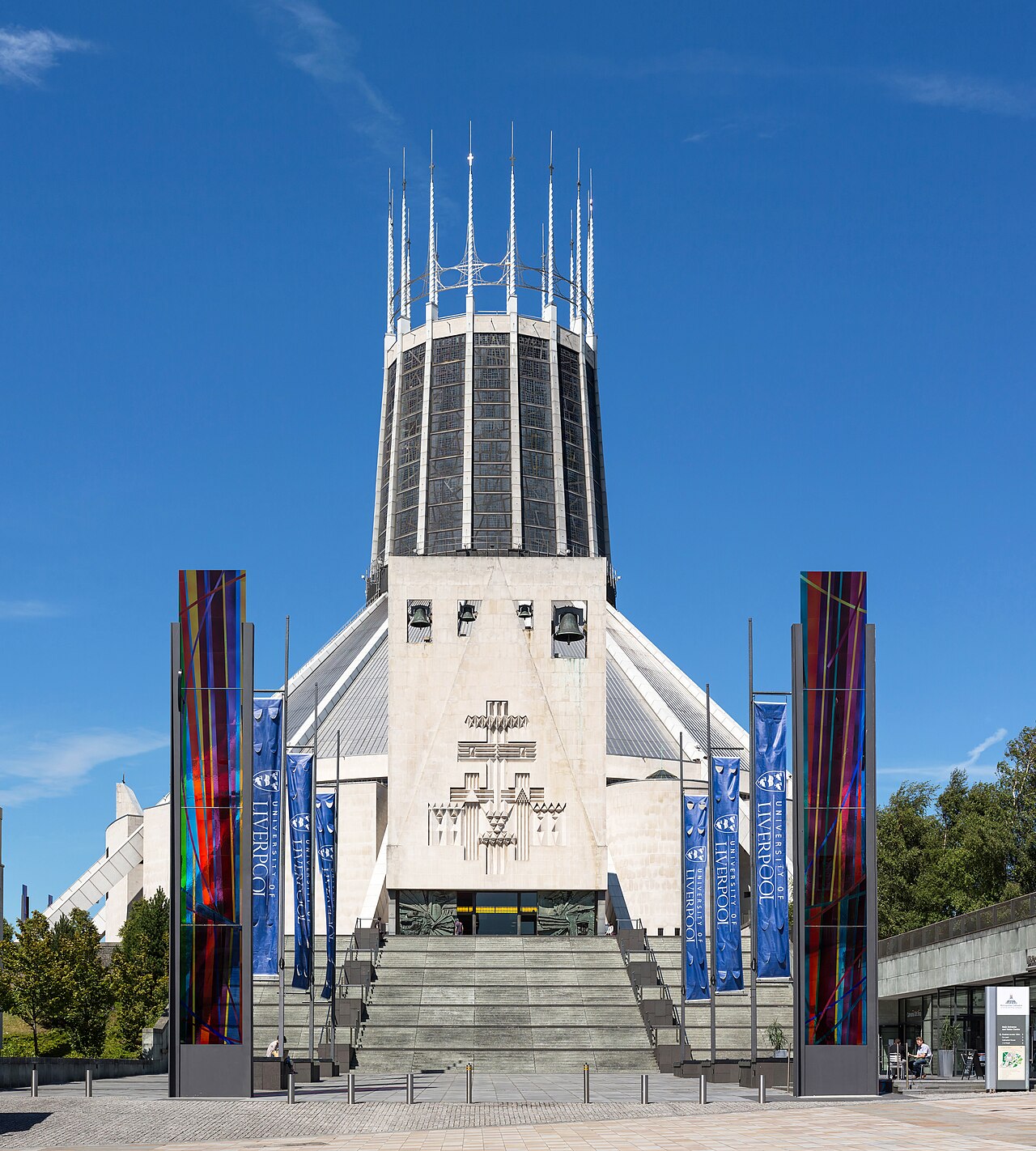
Metropolitan Cathedral
14.6349° N · 90.5069° W · Cathedral
Metropolitan Cathedral is a cathedral in Guatemala City, Guatemala. Guatemala's largest cathedral, completed in 1815, stands in the heart of the city. Most visitors spend 30–45 min here. The free Lokali audio guide runs 5 minutes.
✓ Verified August 2026 · how we write these guides
Visitor facts
| Time needed | 30–45 min |
|---|---|
| Lokali audio guide | 5 min · free |
| Type | Cathedral |
| Best for | History |
| Location | Guatemala City, Guatemala |
| Coordinates | 14.6349, -90.5069 |
| Languages | 45, in the Lokali app |
The story
The bells ring out across the plaza. Pigeons lift from the stone in a wide gray cloud. In front of you stands a broad church with a pale front and two square towers. This is the Metropolitan Cathedral. It has faced this central square for more than two hundred years. People cross the plaza toward its steps all day long. Some pause, look up, and step inside.
Work on the cathedral began in 1782. The main building was finished around 1815. The two bell towers came later, completed in 1867. So the church you see took many decades to rise. Several generations of workers gave their hands to it. Few of them lived long enough to see the whole thing finished and standing. They built it slowly, stone by stone.
Look at the front. The style is calm and ordered. Columns stand in clean, even lines. The shapes are simple and balanced, without wild decoration. This is the neoclassical manner, which favored order over noise. After you leave the heavy green palace nearby, this front feels lighter, cleaner, and more restful to the eye.
Before you climb the steps, stop at the pillars out front. There are twelve of them along the entrance. Look closely at the stone of each one. Names are carved into the surface. These are the names of people who died or disappeared during the country's long internal war. The pillars stand as a memorial. Run your eyes down the list. Each name was a whole life. Take a slow breath before you climb.
This is a place of memory as much as worship. The war lasted for decades and touched a great many families. The cathedral chose to hold these names where everyone passing can see them. In the middle of a loud and busy city, the carved stone gently asks you to slow down, and to remember. Few places in the city ask this of you.
Step inside now. The light drops, and the air turns cool. Your eyes adjust slowly to the dimness. High above your head, the ceiling arches over the long central space. Sound softens here. Footsteps and whispers fade into the stone walls. People kneel in the wooden pews, each one quiet and lost in private thought. A single candle burns near the door.
Walk toward the altars at the front. Several of them are very old. Some images and gold work were carried here long ago from Antigua, the old capital city. That city was struck by earthquakes and largely left behind. Whatever could be saved was brought to this newer cathedral. So these altars are older than the church that now surrounds them. Their gold has darkened with the years.
Look closely at the detail in the woodwork and the gold. Craftsmen of the colonial period made these pieces slowly, by hand. The faces of the saints are carved with real care and feeling. Candle light flickers across them as you pass. In the dim church, the old gold seems to hold a soft glow of its own. Shadows gather in the high stone corners.
This building knows earthquakes well. Guatemala City sits in a zone of frequent quakes. Strong shocks struck in 1917 and again in 1976. The cathedral was damaged and repaired more than once over the years. That it still stands is a sign of careful building and patient repair. Cracks have been opened and closed again and again. Still the walls hold, and still they rise.
Find a seat in a quiet pew and rest. Listen for a while. You may hear soft prayer, or the scrape of a chair, or a single bell from somewhere high above. The city outside is loud and restless. Inside these walls, that noise falls away. This deep contrast is part of why people come here to sit and think. Stay as long as you need to.
Before you rise, look back up at the high ceiling and the long rows of stone arches. Imagine the years of slow work they took. Imagine all the people who have walked this same floor since 1815. Worshippers, mourners, visitors, and the simply curious. The stone has quietly held them all, one after another. Each one left something of themselves behind.
Step back out into the bright plaza. Touch one of the memorial pillars on your way down. The cathedral has stood through earthquakes and through war. It holds both faith and grief within the same set of walls. That, far more than its age alone, is what gives this place its lasting weight.
Key facts
What to look for
Practical tips
Common questions
How long do you need at Metropolitan Cathedral?
Plan 30–45 min. That is the time most visitors spend at Metropolitan Cathedral. The free Lokali audio guide adds about 5 minutes of narration you can listen to as you walk, so it fits inside your visit rather than adding to it.
Is there a free audio guide to Metropolitan Cathedral?
Yes — the Lokali app narrates Metropolitan Cathedral free of charge in 50+ languages. It covers the history, what to look for on site and practical tips, and it works offline once downloaded.
Where is Metropolitan Cathedral?
Metropolitan Cathedral is in Guatemala City, Guatemala, at 14.6349, -90.5069. Tap the map link on this page for directions from where you are.
What should you know before visiting Metropolitan Cathedral?
Walk the atrium slowly before climbing the front steps.
What is Metropolitan Cathedral known for?
Construction began in 1782 and finished around 1815.
What is the best time to visit Metropolitan Cathedral?
Visit early morning when light floods through the stained glass and the plaza is quieter.
On the map
Opens directions to Metropolitan Cathedral from your location.
More to see in Guatemala City


Hear Metropolitan Cathedral in your language
The full story, narrated, in 50+ languages. Download it before you go and it plays offline, at your own pace, with no ticket and no tour group.