
Gyeongju National Museum
35.8290° N · 129.2284° E · Museum
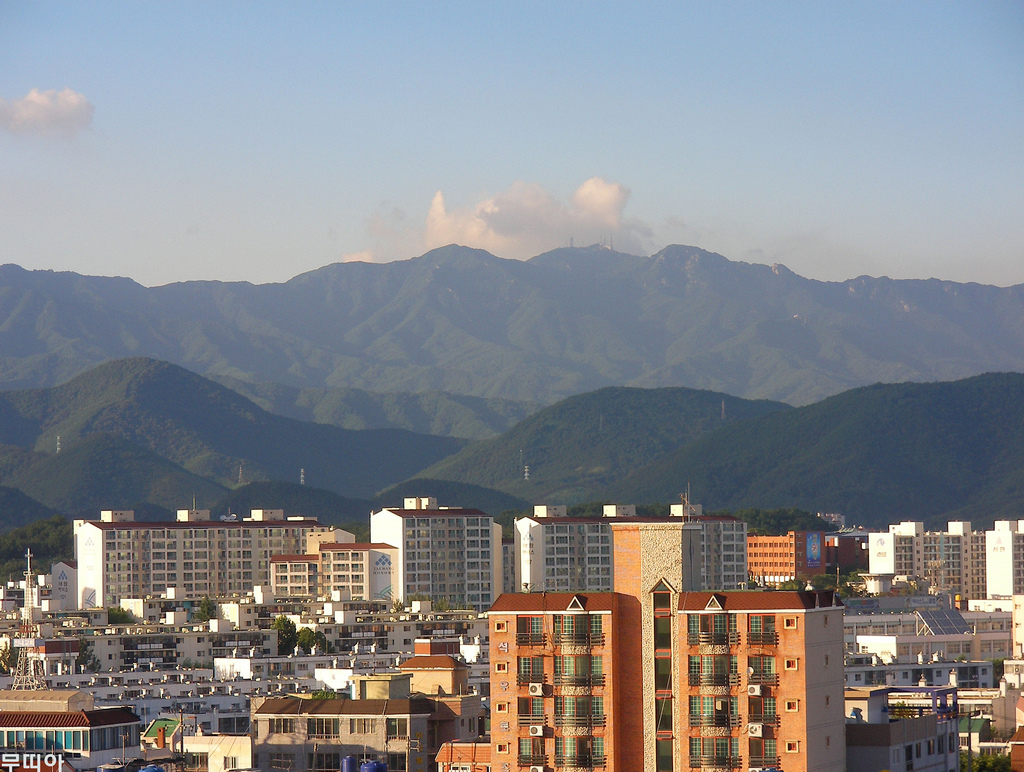
Photo: by martinroell · CC BY-SA 2.0 · Wikimedia Commons
Gyeongju National Museum is a national museum. It is in Gyeongju, South Korea. Gyeongju was the capital of the Silla kingdom. The free Lokali audio guide runs 7 minutes.
✓ Published October 2026 · how we write these guides
Visitor facts
| Lokali audio guide | 7 min · free |
|---|---|
| Type | Museum |
| Location | Gyeongju, South Korea |
| Coordinates | 35.8290, 129.2284 |
| Official website | gyeongju.museum.go.kr |
| Languages | 50+, in the Lokali app |
The story
Listen for a moment. Under the trees near the entrance, the gravel crunches softly with each step. Somewhere nearby, a school group laughs, then goes quiet. And ahead of you, inside an open wooden pavilion, hangs a dark bronze bell so large that people instinctively lower their voices as they approach it. This is the Gyeongju National Museum. Here, the treasures of an ancient Korean kingdom are kept in the same city where that kingdom once ruled.
To understand this museum, you need to understand Gyeongju itself. For close to a thousand years, this city was the capital of Silla, one of the great early kingdoms of the Korean peninsula. Silla grew from a small state into the power that unified much of the peninsula in the seventh century. Kings were buried here, temples rose here, and goldsmiths worked here. Many of the objects in these galleries were found within a short walk of where you are standing.
That closeness is the first surprise. In most national museums, the treasures have travelled far from home. Here, they have barely moved. The royal burial mounds lie just a few minutes away, rising from the ground like soft green hills. The old palace grounds and the royal pond are also nearby. Walking between the museum and those sites, you move between the object and its original setting in a single afternoon.
Let us begin with the bell, because it pulls everyone toward it first. It is the Divine Bell of King Seongdeok, cast in bronze in the eighth century. It is one of the largest surviving bronze bells in Korea, weighing close to twenty tonnes. Stand beside it and look up. The surface is not smooth. It carries raised bands of floral patterns, long panels of inscribed characters, and delicate figures cast into the metal itself.
Look closely at those figures. They are celestial beings, kneeling on clouds, holding offerings, with ribbons flowing around them as if caught in a breeze. In Buddhist art, these figures belong to heaven. On a bell, they make sense, because the sound of the bell was meant to carry the teaching of the Buddha outward. Now look at the very top. A dragon forms the hook, and beside it rises a hollow tube. This tube is a feature found on Korean bells, and many people believe it shapes the long, humming tone.
The bell has another name, and a darker story. Many people call it the Emille Bell. According to a popular legend, the first castings failed. Then, the story says, a child was offered to the molten bronze. After that, the bell rang true, and its sound seemed to cry out for a mother. This is folklore, not documented history. Still, the tale has followed the bell for generations, and you will hear Korean visitors mention it quietly as they pass.
The bell is no longer rung regularly. Its age and its value mean that conservation comes first. So the pavilion stays silent most of the time. In a way, that silence makes it more powerful. You are looking at an instrument built to fill a valley with sound... and now it simply hangs, heavy and still, while sparrows move through the rafters above.
From the bell, head into the main galleries, where the story of Silla unfolds in gold. Silla tombs were built in a special way, with a wooden chamber covered by stones and then a mound of earth. This made them hard to rob. As a result, archaeologists in the twentieth century found royal burials still full of their treasures. Among them were gold crowns, belts, earrings, and shoes, placed with the dead.
The crowns are the second surprise for many visitors. They do not look like European crowns at all. They are made of thin sheets of gold, cut into upright shapes that look like branching trees or antlers. Small pieces of curved jade hang from them, along with tiny gold discs. When the wearer moved, these discs would tremble and catch the light. Scholars still discuss what the tree shapes meant, and many connect them to older beliefs from northern Asia.
Another gallery is dedicated to the royal pond known as Wolji, once part of a palace garden. When the pond was dredged in the twentieth century, it gave up thousands of objects. There were roof tiles, wooden boats, household tools, and small personal items. These were not grave goods made for the dead. They were things people used every day. Here you get closer to ordinary palace life, to meals, games, and work.
One small object from the pond has a famous story. It was a wooden die with fourteen faces, each one carrying a short instruction, like a drinking game for palace guests. Sadly, the original was lost in an accident during conservation work. What you may see today is a careful reproduction. It is a reminder that preserving the past is delicate work, and that even experts sometimes lose what they are trying to protect.
Before you leave, walk slowly through the outdoor garden. Stone pagodas, carved lanterns, and weathered Buddha figures stand among the trees and lawns. Some were moved here because their original sites were damaged or flooded. Many Buddha statues are missing their heads or hands, worn down by centuries of rain and frost. Lichen grows in the folds of their robes. Out here, the art feels less like an exhibit and more like a quiet stone forest.
As you head back toward the gate, pause once more near the pavilion. Notice how the light falls through the wooden beams onto the dark bronze. Notice the low hills of the city beyond the museum walls, some of them royal tombs. The kingdom that made these objects ended more than a thousand years ago. But its gold, its stone, and its great silent bell are still here, in the same valley, waiting for you to look a little longer.
Key facts
What to look for
Practical tips
Common questions
Is there a free audio guide to Gyeongju National Museum?
Yes — the Lokali app narrates Gyeongju National Museum free of charge in 50+ languages. The guide runs about 7 minutes, covers the history, what to look for on site and practical tips, and works offline once downloaded.
Where is Gyeongju National Museum?
Gyeongju National Museum is in Gyeongju, South Korea, at 35.8290, 129.2284. Tap the map link on this page for directions from where you are.
What is Gyeongju National Museum known for?
Gyeongju was the capital of the Silla kingdom. The Divine Bell of King Seongdeok dates to the eighth century.
What should you look for at Gyeongju National Museum?
Kneeling celestial figures cast on the bronze bell. The dragon hook and hollow tube atop the bell. Tiny gold discs hanging from the Silla crowns.
What should you know before visiting Gyeongju National Museum?
Visit the bell pavilion first, before school groups arrive. Pair your visit with the nearby royal tomb park.
When is the best time to visit Gyeongju National Museum?
Bring water on summer days for the open-air grounds.
On the map
Opens directions to Gyeongju National Museum from your location.
More to see in Gyeongju


Hear Gyeongju National Museum in your language
The full story, narrated, in 50+ languages. Download it before you go and it plays offline, at your own pace, with no ticket and no tour group.