
Koca Mustafa Pasha Mosque
41.0034° N · 28.9286° E · Mosque
Photo: A. Fabbretti · CC BY-SA 4.0 · Wikimedia Commons
Koca Mustafa Pasha Mosque is a mosque in İstanbul, Turkey. Originally the Byzantine Church of Saint Andrew in Krisei. The free Lokali audio guide runs 7 minutes.
✓ Published October 2026 · how we write these guides
Visitor facts
| Lokali audio guide | 7 min · free |
|---|---|
| Type | Mosque |
| Location | Istanbul, Türkiye |
| Coordinates | 41.0034, 28.9286 |
| Languages | 50+, in the Lokali app |
The story
Listen for a moment. The traffic of Istanbul feels far away here. Pigeons shuffle on the courtyard stones, a broom scrapes somewhere behind a wall, and the shade of old trees lies cool across the paving. You are in the Kocamustafapaşa quarter, deep in the old peninsula of the Fatih district. Few tour buses come this way. And yet the building in front of you has watched over this neighbourhood for more than a thousand years, first as a church, and then as a mosque.
Start with the name. The mosque honours Koca Mustafa Pasha, a grand vizier who served Sultan Bayezid the Second in the late fifteenth century. The word koca means great, or elder. He converted the old Byzantine church here into a mosque, and the whole district took his name. His career ended badly. After Selim the First came to power, the vizier was executed. Yet his name stayed on the streets, the tram signs, and the shop fronts around you.
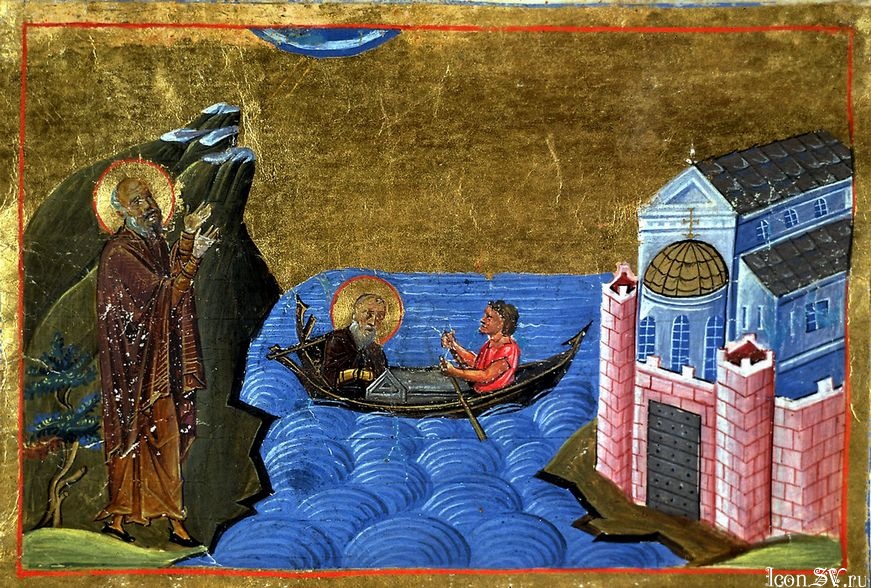
Before the Ottomans, this was the Church of Saint Andrew in Krisei. That last word is Greek, and it is usually translated as in the place of judgement. The Saint Andrew here is not the apostle. He is Saint Andrew of Crete, a monk who opposed the destruction of religious images in the eighth century. Tradition holds that he was killed in Constantinople for his views, and that his relics were later kept in this church.
Now look at the building itself. The outline carries traces of its Byzantine past. Notice the brick and stone bands in the older walls, and the heavy, compact shape of the main body. Byzantine churches in this city often grew in layers, with chapels and porches added over centuries. Later Ottoman repairs added another layer. So what you see is not one moment in history. It is a long conversation between builders who never met each other.
Here is a detail most visitors never hear. In the late thirteenth century, a Byzantine noblewoman named Theodora Raoulaina restored this church and its monastery. She was a scholar in her own right, known for copying manuscripts and writing a life of two saints. In an age when few women had public power, she put her name and fortune into these walls. When you look up at the old masonry, you are looking partly at her work.
The conversion to a mosque came after the Ottoman conquest of 1453, in the decades when many city churches were adapted for Muslim worship. The builders added a mihrab, the niche that shows the direction of Mecca, and a minbar, the stepped pulpit used for Friday sermons. They also added a minaret outside. Inside, the space was turned so that worshippers face south-east. The Byzantine bones stayed, but the direction of prayer changed.
This mosque is also known by a second name: the Sünbül Efendi Mosque. Sünbül Efendi was a Sufi sheikh of the Halveti order in the early sixteenth century. Sufism is the mystical tradition within Islam, focused on inner devotion, chanting, and the guidance of a spiritual teacher. The complex here became a lodge for his followers. His tomb stands within the grounds, and many local people still come specifically to visit him, not the vizier.
Watch the visitors at the tomb for a few minutes, if you can do so quietly. Some stand with open palms and murmur a short prayer. Some tie a thought to the visit, a wish for a child, a recovery, an exam. This is a living place of devotion, not a museum. The atmosphere changes during prayer times, when men from the surrounding streets fill the courtyard and the call to prayer rolls over the rooftops.
Now for the story that this courtyard is best known for, and it is a legend, not recorded history. Locals say that a chain once hung here, connected with an old tree. When two people disputed a matter, each would try to touch the chain. The honest person could reach it. The liar could not. Some versions link the tale to the Greek name of the old church, the place of judgement. Whatever its origin, the story has been told here for generations.
The trees around you matter to this neighbourhood. Old Istanbul mosques often had gardens and graveyards planted with cypress and plane trees, and they gave shade to anyone passing through. Look at the gravestones nearby, if any are visible from where you stand. Ottoman headstones sometimes carry a carved turban or headdress at the top. The shape could show the rank or the order of the person buried below, like a quiet badge in stone.
Step back out toward the street and look at the neighbourhood. Kocamustafapaşa sits close to Samatya, once home to large Greek and Armenian communities, and close to the Marmara shore. Small grocers, tea houses, and bakeries line the streets. Old timber houses stand beside concrete blocks. This mix is part of the story too. The mosque did not stay frozen. The city grew around it, wave after wave, and people kept using it.
Think about how many kinds of prayer this site has held. Byzantine monks chanted Greek hymns here. Ottoman worshippers recited the Quran. Sufi dervishes gathered around their sheikh. Today, neighbours drop in on the way home from work. Few buildings in the world have carried so many traditions under one roof, and yet it does not shout about it. There is no grand plaza here, no rows of souvenir stalls. Just a gate, a courtyard, and a door.
Before you leave, stand still once more in the courtyard. Feel the uneven stones under your feet, worn smooth by centuries of steps. Look at the shade under the trees, and the light on the old brick. Listen for the sounds of the street beyond the wall. As you walk out into Kocamustafapaşa, notice how the name follows you, on signs and doorways... a reminder that this quiet corner gave a whole neighbourhood its identity.
Key facts
What to look for
Practical tips
Common questions
Is there a free audio guide to Koca Mustafa Pasha Mosque?
Yes — the Lokali app narrates Koca Mustafa Pasha Mosque free of charge in 50+ languages. The guide runs about 7 minutes, covers the history, what to look for on site and practical tips, and works offline once downloaded.
Where is Koca Mustafa Pasha Mosque?
Koca Mustafa Pasha Mosque is in Istanbul, Türkiye, at 41.0034, 28.9286. Tap the map link on this page for directions from where you are.
What is Koca Mustafa Pasha Mosque known for?
Originally the Byzantine Church of Saint Andrew in Krisei. Converted to a mosque by grand vizier Koca Mustafa Pasha.
What should you look for at Koca Mustafa Pasha Mosque?
Bands of brick and stone in the older Byzantine walls. The tomb of Sünbül Efendi within the mosque grounds. Carved headdresses on top of Ottoman gravestones.
What should you know before visiting Koca Mustafa Pasha Mosque?
Avoid visiting during the five daily prayer times. Women should bring a scarf to cover their hair.
On the map
Opens directions to Koca Mustafa Pasha Mosque from your location.
More to see in Istanbul


Hear Koca Mustafa Pasha Mosque in your language
The full story, narrated, in 50+ languages. Download it before you go and it plays offline, at your own pace, with no ticket and no tour group.