
Theodosius Cistern
41.0072° N · 28.9726° E · Archaeological Site
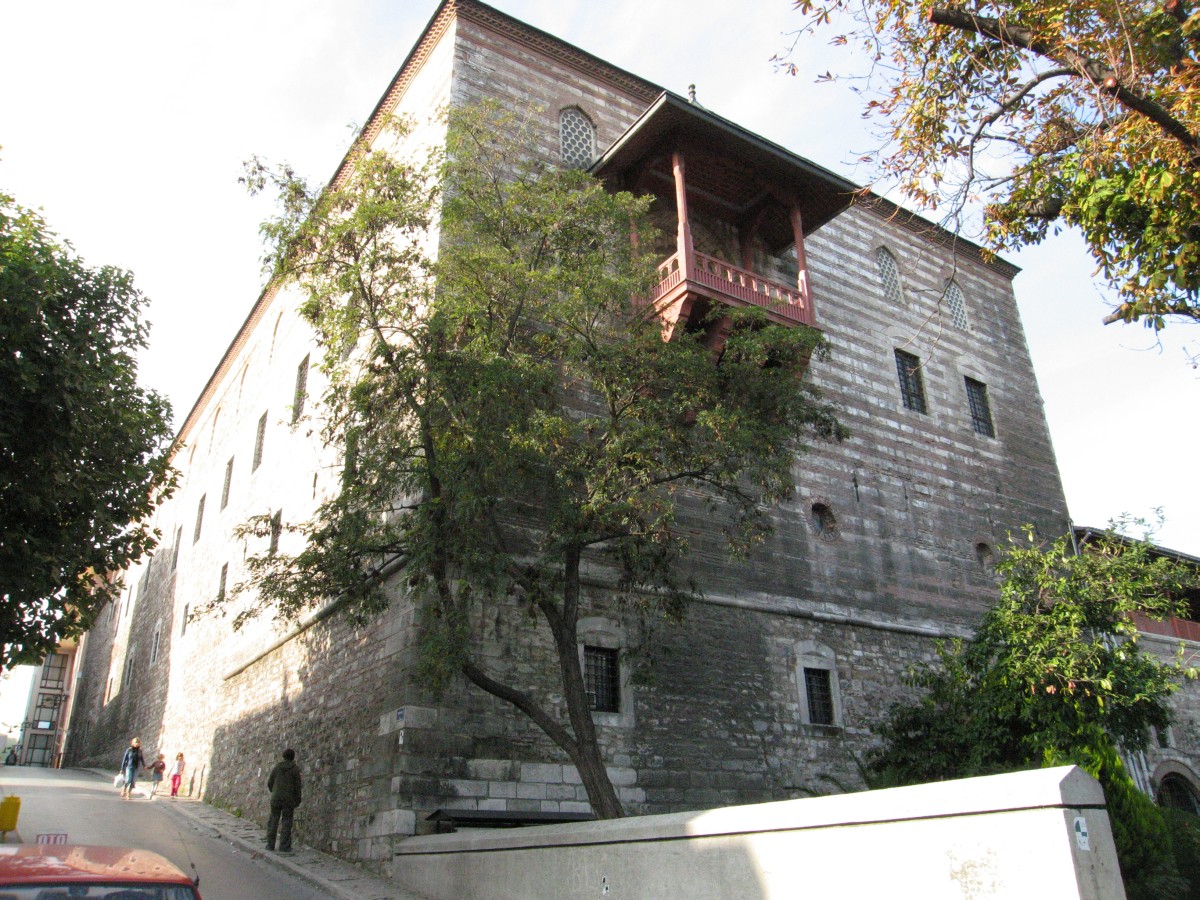
Photo: Izabela Miszczak · CC BY-SA 4.0 · Wikimedia Commons
Theodosius Cistern is a cistern in Istanbul, Turkey. Built under Emperor Theodosius the Second in the fifth century. The free Lokali audio guide runs 7 minutes.
✓ Published October 2026 · how we write these guides
Visitor facts
| Lokali audio guide | 7 min · free |
|---|---|
| Type | Archaeological Site |
| Location | Istanbul, Türkiye |
| Coordinates | 41.0072, 28.9726 |
| Official website | serefiyesarnici.istanbul |
| Languages | 50+, in the Lokali app |
The story
Step down from the street and the air changes almost at once. It turns cool and slightly damp, and it carries the faint mineral smell of old stone that has been wet for a very long time. The noise of traffic fades behind you. In its place comes a soft quiet, broken only by footsteps on the walkway and the low murmur of other visitors. Ahead, rows of marble columns rise out of the half-light and hold up a forest of brick vaults.
You are standing inside the Theodosius Cistern, known in Turkish as Şerefiye Sarnıcı. This is an underground water reservoir from the Byzantine city of Constantinople, which became the Ottoman capital and later Istanbul. It sits in the Fatih district, the old walled peninsula that holds most of the city's oldest monuments. Above your head runs an ordinary neighbourhood street. Many people walk past the entrance every day and never guess what lies beneath them.
The cistern takes its name from Emperor Theodosius the Second. He ruled the Eastern Roman Empire in the first half of the fifth century, and he is best known for the great land walls that still mark the western edge of old Istanbul. This reservoir comes from that same period. That makes it older than the larger and more famous Basilica Cistern nearby, which was built about a century later under Emperor Justinian.
Why did a city need rooms like this underground? Constantinople stood on a peninsula with no large river of its own. Fresh water had to travel from hills and springs far outside the walls. It came through a long network of channels and aqueducts, including the Aqueduct of Valens, whose stone arches still cross the city a short distance from here. The water then flowed into open reservoirs and covered cisterns like this one, where it was stored for dry summers and for times of siege.
Look at the columns closest to you. There are thirty-two of them, set out in neat rows, and each one is made of marble. Their tops, called capitals, are carved in the Corinthian style. That is a classical Greek and Roman design with curling acanthus leaves, the same spiky plant you can still see growing wild around the Mediterranean. Builders in this era often reused older carved stone, so it is worth comparing the capitals. They are not always perfectly identical.
Now raise your eyes to the ceiling. The roof is made of brick, laid in shallow domes and vaults that spread the weight of the street above down onto the columns. Byzantine builders were very skilled with brick and mortar. Their mortar often contained crushed brick, which gave it a pinkish tone and helped it resist water. Over the centuries this simple combination of brick, lime and stone has carried the load of traffic, buildings and people without collapsing.
Here is something many visitors do not realise. For a long stretch of its history, this cistern was largely forgotten. After the Ottoman conquest of 1453, the city's water system changed, and new fountains and supply lines replaced many old reservoirs. Some Byzantine cisterns became workshops or storerooms. Others were simply sealed and built over. Houses and later public buildings rose on top, and the space below slipped out of everyday memory.
The modern story is much more recent. The Fatih municipality carried out a long restoration of the cistern, and it opened to the public in 2018. The work cleared out debris, stabilised the structure and added the raised walkways you are standing on now. For most of the last few centuries, very few people could enter this room. Today you can walk among the columns, which is a rare experience even in a city full of Byzantine remains.
Notice how the walkway keeps you just above the floor. Glass panels and low railings let you look down without touching the old surfaces. The cistern no longer holds a deep body of water as it once did. Instead, a thin layer of water or polished floor often reflects the columns, so each pillar seems to continue downward into a second, upside-down hall. Pause for a moment and let your eyes adjust. The reflections become clearer the longer you stand still.
The lighting is also part of the modern design. Soft lamps at the base of the columns throw warm light upward, and the colours sometimes shift slowly across the vaults. The cistern also hosts light shows, projections and art installations, so the room you see today may look different from the one a friend saw last month. Some people enjoy this theatre. Others prefer to look past it and focus on the plain marble and brick underneath.
It helps to imagine the space when it was working. Picture water filling the room well up the shafts of these columns, dark and still, with only a little daylight from openings above. Workers would have checked the levels and kept the channels clear. People in the streets above drew on this supply without ever seeing it. A cistern was not a monument in its own time. It was quiet, practical infrastructure, and the city could not survive without it.
When you climb back up to the street, take a moment to look around the neighbourhood. You are close to Sultanahmet, the area around the Hagia Sophia and the Blue Mosque, yet these side streets feel calmer. Small shops, tea houses and offices fill the buildings. Under many of them, there may be more Byzantine foundations, vaults and cisterns. Istanbul is a city built in layers, and much of its oldest stone still lies beneath the pavement.
Before you leave, stand once more at the edge of the walkway and look along a single row of columns. Follow it to the far wall, then down into the reflection below. Listen to the soft drip of water and the hush of voices under the brick vaults. These pillars have stood in the dark here for more than fifteen hundred years. In a few minutes you will step back into daylight and traffic... while this cool, quiet room stays exactly where it has always been.
Key facts
What to look for
Practical tips
Common questions
Is there a free audio guide to Theodosius Cistern?
Yes — the Lokali app narrates Theodosius Cistern free of charge in 50+ languages. The guide runs about 7 minutes, covers the history, what to look for on site and practical tips, and works offline once downloaded.
Where is Theodosius Cistern?
Theodosius Cistern is in Istanbul, Türkiye, at 41.0072, 28.9726. Tap the map link on this page for directions from where you are.
What is Theodosius Cistern known for?
Built under Emperor Theodosius the Second in the fifth century. Older than the larger Basilica Cistern built under Justinian.
What should you look for at Theodosius Cistern?
Curling acanthus leaves carved on the Corinthian capitals. Small differences between capitals suggesting reused older stone. Shallow brick domes spreading weight onto the columns.
What should you know before visiting Theodosius Cistern?
Pause on the walkway so your eyes adjust to darkness. Bring a light layer because the underground air stays cool.
On the map
Opens directions to Theodosius Cistern from your location.
More to see in Istanbul



Hear Theodosius Cistern in your language
The full story, narrated, in 50+ languages. Download it before you go and it plays offline, at your own pace, with no ticket and no tour group.