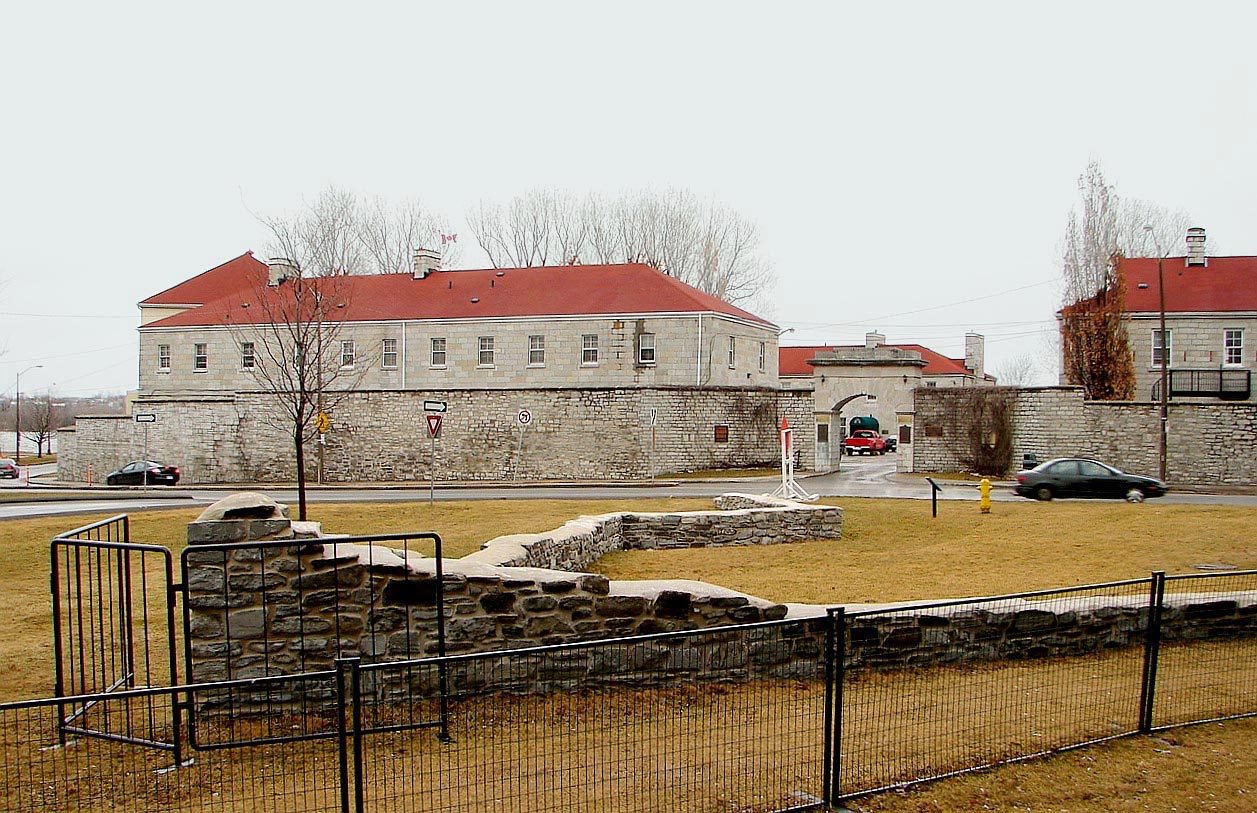
Photo: P199 · CC BY-SA 3.0 · Wikimedia Commons
Fort Frontenac is a fort in Kingston, Ontario, Canada. French governor Frontenac founded the first fort here in 1673. The free Lokali audio guide runs 6 minutes.
✓ Published October 2026 · how we write these guides
Visitor facts
| Lokali audio guide | 6 min · free |
|---|---|
| Type | Fortification |
| Location | Kingston, Canada |
| Coordinates | 44.2333, -76.4786 |
| Official website | pc.gc.ca |
| Languages | 50+, in the Lokali app |
The story
Stand for a moment at the foot of Princess Street and feel the wind coming off the water. It is cool, even in summer, and it smells faintly of lake and stone. Grey limestone walls rise beside you, solid and plain. Gulls call over the harbour. Traffic hums toward the causeway. And here, where the Cataraqui River meets Lake Ontario, people have been watching this same stretch of water for a very long time.
Before any European walls stood here, this shoreline had an Indigenous name, Katarokwi. Many people link it to the city's later name, Cataraqui. The site made sense to anyone who travelled by canoe. The river offered a sheltered harbour, and the lake opened routes in every direction. This was a meeting place, a place of trade and movement. The walls you see came much later, and they came because others recognised the same advantages.
In 1673, the governor of New France arrived here with a clear purpose. His name was Louis de Buade, Comte de Frontenac. He wanted a post on the lake to control the fur trade and to strengthen French ties with the nations of the region. The first fort was built quickly, from wood. It was called Fort Cataraqui, though people soon called it by the governor's name. That name has stayed with this corner of Kingston ever since.
One of the men connected to this early fort became far more famous elsewhere. René-Robert Cavelier, Sieur de La Salle, was given command of the post. He later rebuilt parts of it in stone. La Salle is best known for his journeys down the Mississippi, all the way to the Gulf of Mexico. But before those long expeditions, part of his story ran through this harbour. The bridge nearby, the LaSalle Causeway, carries his name today.
For several decades, the French post stood at the edge of a contested world. France and Britain both wanted the Great Lakes, and their allies were drawn into the struggle. The fort was a supply base for French posts further west. That made it valuable... and it also made it a target. Its fate was decided during the Seven Years' War, a global conflict that also reshaped North America.
In August 1758, a British force under Colonel John Bradstreet crossed the lake and attacked. The French garrison was small, and the fort could not hold. It surrendered, and the British destroyed much of it before they left. The loss cut French supply lines to the west. Historians often see it as one step in the collapse of New France. So this quiet corner of a modern city once played a part in a much larger story.
After that, the site was largely abandoned for years. Then, in the 1780s, a new group of people arrived. They were Loyalists, settlers who had stayed loyal to the British Crown during the American Revolution. Many had lost their homes in the south. They settled around the old harbour, and a town began to grow. That town became Kingston. Its streets, its markets and its stone houses all grew outward from this point by the water.
Now look closely at the buildings in front of you. Here is a surprise many visitors miss. These limestone walls are not the French fort. They are a British barracks from the early nineteenth century. The complex was long known as the Tête de Pont Barracks. In French, tête de pont means bridgehead. It describes a defended position at the end of a bridge, guarding the crossing over the river. Only in 1939 did the military give it the name Fort Frontenac.
The stone itself tells you where you are. Kingston is often called the Limestone City. Local quarries supplied grey limestone for barracks, churches, houses and public buildings across the town. Touch the walls if you can reach them. The surface is cool and slightly rough. Notice the tight joints and the heavy, square blocks. This was building meant to last through hard winters and possible war. In Kingston, that was a real concern for a long time.
And here is the second surprise. Fort Frontenac is still a working military site. It is home to the Canadian Army Command and Staff College, where officers study leadership and planning. So you may see people in uniform coming and going. This is also why public access inside is limited. Please respect the gates and signs. The best way to experience the fort is from the outside, walking slowly around its edges and reading the plaques.
The French past has not completely disappeared, though. Archaeologists have excavated parts of the original fort's remains near this corner. Some traces of the old foundations have been marked or displayed outdoors, so look for low stone outlines and interpretive panels close to the street. They are easy to walk past. But they show the shape of a much older place under the modern city. It is a quiet reminder that the ground here holds several layers of history.
From here, turn toward the water. Across the river mouth, on the higher ground, stands Fort Henry, another British military site. Behind you, Kingston's downtown rises in stone. In 1841, this city became the first capital of the united Province of Canada, though only for a few years. Standing here, you can see why soldiers, traders and governments all valued this harbour. It holds the meeting point of river, lake and land.
Before you move on, take one more look around. Listen to the gulls and the cars crossing the causeway. Notice how the light falls on the grey limestone, warmer in the evening, paler at noon. Think of the canoes, then the wooden walls, then the cannon, then the barracks. As you walk back up Princess Street, look at the stone buildings along the way. Many of them were built from the same grey rock as these walls.
Key facts
What to look for
Practical tips
Common questions
Is there a free audio guide to Fort Frontenac?
Yes — the Lokali app narrates Fort Frontenac free of charge in 50+ languages. The guide runs about 6 minutes, covers the history, what to look for on site and practical tips, and works offline once downloaded.
Where is Fort Frontenac?
Fort Frontenac is in Kingston, Canada, at 44.2333, -76.4786. Tap the map link on this page for directions from where you are.
What is Fort Frontenac known for?
French governor Frontenac founded the first fort here in 1673. British forces captured the French fort in August 1758.
What should you look for at Fort Frontenac?
Low stone outlines marking the old French fort. Heavy square blocks of grey local limestone. Officers in uniform entering the staff college.
What should you know before visiting Fort Frontenac?
Stay outside the gates; this is an active military site. Read the outdoor plaques along the street edges.
When is the best time to visit Fort Frontenac?
Come in late afternoon for warmer light on the stone.
On the map
Opens directions to Fort Frontenac from your location.
More to see near Fort Frontenac

Hear Fort Frontenac in your language
The full story, narrated, in 50+ languages. Download it before you go and it plays offline, at your own pace, with no ticket and no tour group.