
Photo: LjGrad · CC BY-SA 4.0 · Wikimedia Commons
Ljubljana Castle is a castle in Slovenia. First written mention of a castle here dates to the twelfth century. The free Lokali audio guide runs 7 minutes.
✓ Published October 2026 · how we write these guides
Visitor facts
| Lokali audio guide | 7 min · free |
|---|---|
| Type | Castle |
| Location | Ljubljana, Slovenia |
| Coordinates | 46.0487, 14.5086 |
| Official website | ljubljanskigrad.si |
| Languages | 50+, in the Lokali app |
The story
Feel the change underfoot as you reach the top of the hill. The smooth city pavement gives way to old stone, worn and uneven, cool even on a warm afternoon. Somewhere below, a tram bell rings, or the river carries the murmur of café terraces. Up here the air moves more freely. Pigeons settle on the battlements, and the wind pulls at the flags above the gate. This is Ljubljana Castle, and the whole city lies at your feet.
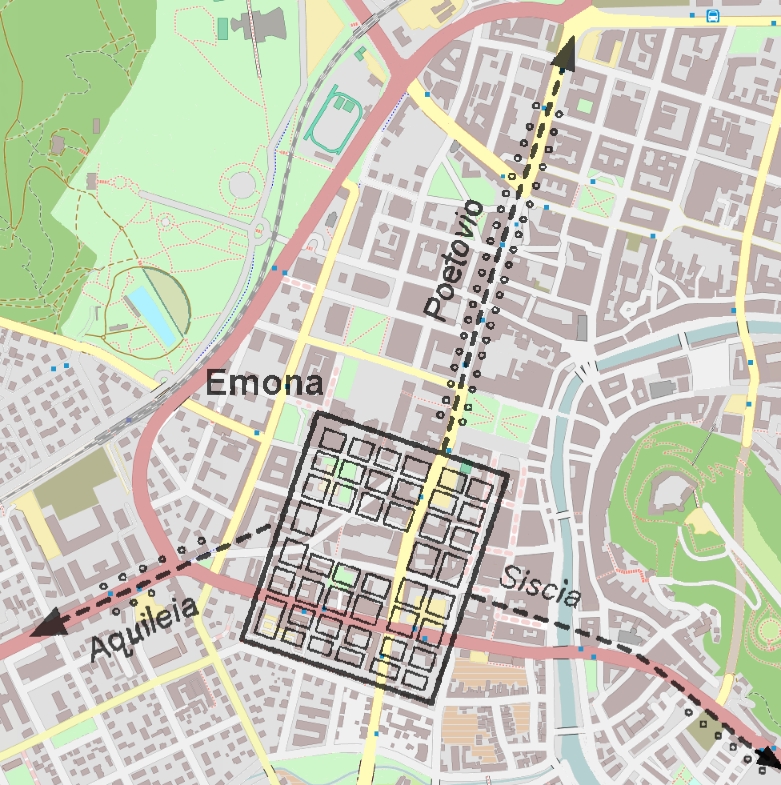
The hill came long before the castle. People were living on this ridge thousands of years ago, drawn by the same thing that draws you now: a high, defensible point above a river crossing. In Roman times, the town of Emona grew on the flat ground below, and the hill watched over it. Archaeologists working here have found traces of settlement reaching back to prehistory. So the walls around you are only the latest layer on a very old place.
The first written mention of a castle on this hill dates to the twelfth century. At that time it belonged to the Spanheim family, powerful dukes of the region. Later, the Habsburgs took control, and they held this land for centuries. Much of what you see today took shape in the fifteenth and sixteenth centuries. That was an anxious period. Ottoman raids swept through the region, and a strong fortress on the hill was no luxury. It was a necessity.
Then, in 1511, a powerful earthquake shook Ljubljana. Parts of the castle were badly damaged, and rebuilding followed. As you walk the courtyard, look at the walls closely. You will see stone of different colours and textures, patched and joined over time. The stone shows centuries of repair, not one single moment of construction. Every rebuild added something, and every era left its own mark on the masonry.
Here is something many visitors do not expect. For much of its later life, this was not a grand residence at all. As the military threat faded, the castle lost its purpose as a fortress. In the nineteenth century it became a prison. Later still, it housed soldiers, and then poor families who rented small, cramped rooms inside the old walls. The romantic hilltop fortress was, for generations, a rather grim and crowded place to live.
The turning point came in 1905, when the city of Ljubljana bought the castle. The idea was to give it back to the people of the town. But turning that idea into reality took a long time. Serious restoration began in the second half of the twentieth century and continued for decades. Architects had to decide what to keep, what to rebuild, and how to add modern spaces without erasing the past.
That tension between old and new is easy to see today. In places, glass and steel sit right beside medieval stone. Some visitors find this jarring at first. Others come to enjoy it, because the new materials make no attempt to imitate the old. You always know which part is history and which part is recent. Take a moment to notice where one ends and the other begins.
Now, climb the outlook tower if you can. The current tower was built in the middle of the nineteenth century, replacing an older wooden one. For many years, a watchman lived up here. His job was to scan the rooftops for fire. If he saw smoke, he fired a cannon to warn the town, and he signalled the direction of the danger. In a city of wooden roofs and narrow streets, that warning could save whole neighbourhoods.
From the top, the view opens in every direction. Below you, the red roofs of the old town follow the curve of the Ljubljanica River. You can pick out church towers and the green copper domes rising above the streets. On a clear day, look north. The jagged line of the Kamnik–Savinja Alps runs along the horizon, and sometimes the mountains look close enough to touch. Few capital cities offer a view of high mountains from their centre.
Back in the courtyard, find the Chapel of Saint George. It is small and easy to walk past, so look for it carefully. Inside, the walls and vaulted ceiling are covered with painted coats of arms. These belonged to the provincial governors who once ruled this land on behalf of the Habsburgs. Each shield is a small portrait of a family and its power. Together, they form a colourful record of who held authority here, generation after generation.
You will see a dragon almost everywhere in this city, and the castle is part of the same story. Legend has it that the Greek hero Jason and his Argonauts passed this way and fought a dragon in the marshes near Ljubljana. Locals say the dragon became the city's protector. It is a myth, not history, but it is a much-loved one. Look at the city's coat of arms: the dragon stands on top of a castle tower.
Inside the walls, several exhibitions tell the wider story. A permanent exhibition walks through Slovenian history, from early times to the modern state. There is also a museum of puppetry, which may surprise you. Slovenia has a long and serious tradition of puppet theatre, and the displays here show how inventive and beautiful those figures can be. The old prison cells are also open in places, a quiet reminder of the castle's darker years.
Getting up and down is part of the experience. Many people ride the funicular, a short railway that climbs the steep slope in about a minute. It opened in 2006 and gives a quick, glassy view as you rise above the rooftops. Others prefer the footpaths that wind up through the trees. Walking takes longer, but you hear birdsong, smell damp leaves, and feel the hill change beneath your feet.
Before you leave, stand at the wall one more time. Look down at the river, the bridges, and the people moving through the streets far below. For centuries, soldiers, prisoners, watchmen, and families looked out from this same spot. Today the castle belongs to everyone who climbs the hill. As you walk back down, notice how the city sounds return slowly — voices, footsteps, the river — until you are part of the scene again.
Key facts
What to look for
Practical tips
Common questions
Is there a free audio guide to Ljubljana Castle?
Yes — the Lokali app narrates Ljubljana Castle free of charge in 50+ languages. The guide runs about 7 minutes, covers the history, what to look for on site and practical tips, and works offline once downloaded.
Where is Ljubljana Castle?
Ljubljana Castle is in Ljubljana, Slovenia, at 46.0487, 14.5086. Tap the map link on this page for directions from where you are.
What is Ljubljana Castle known for?
First written mention of a castle here dates to the twelfth century. A major earthquake struck the castle and city in 1511.
What should you look for at Ljubljana Castle?
Painted governors' coats of arms inside the Chapel of Saint George. Glass and steel additions sitting beside medieval stone walls. Patched masonry in different colours across the courtyard walls.
What should you know before visiting Ljubljana Castle?
Climb the outlook tower on a clear day for Alpine views. Ride the funicular up and walk the forest path down.
When is the best time to visit Ljubljana Castle?
Visit late afternoon to watch the light fall over rooftops.
On the map
Opens directions to Ljubljana Castle from your location.
More to see in Ljubljana


Hear Ljubljana Castle in your language
The full story, narrated, in 50+ languages. Download it before you go and it plays offline, at your own pace, with no ticket and no tour group.