
Parque de Atracciones de Madrid
40.4128° N · 3.7508° W · Amusement Park
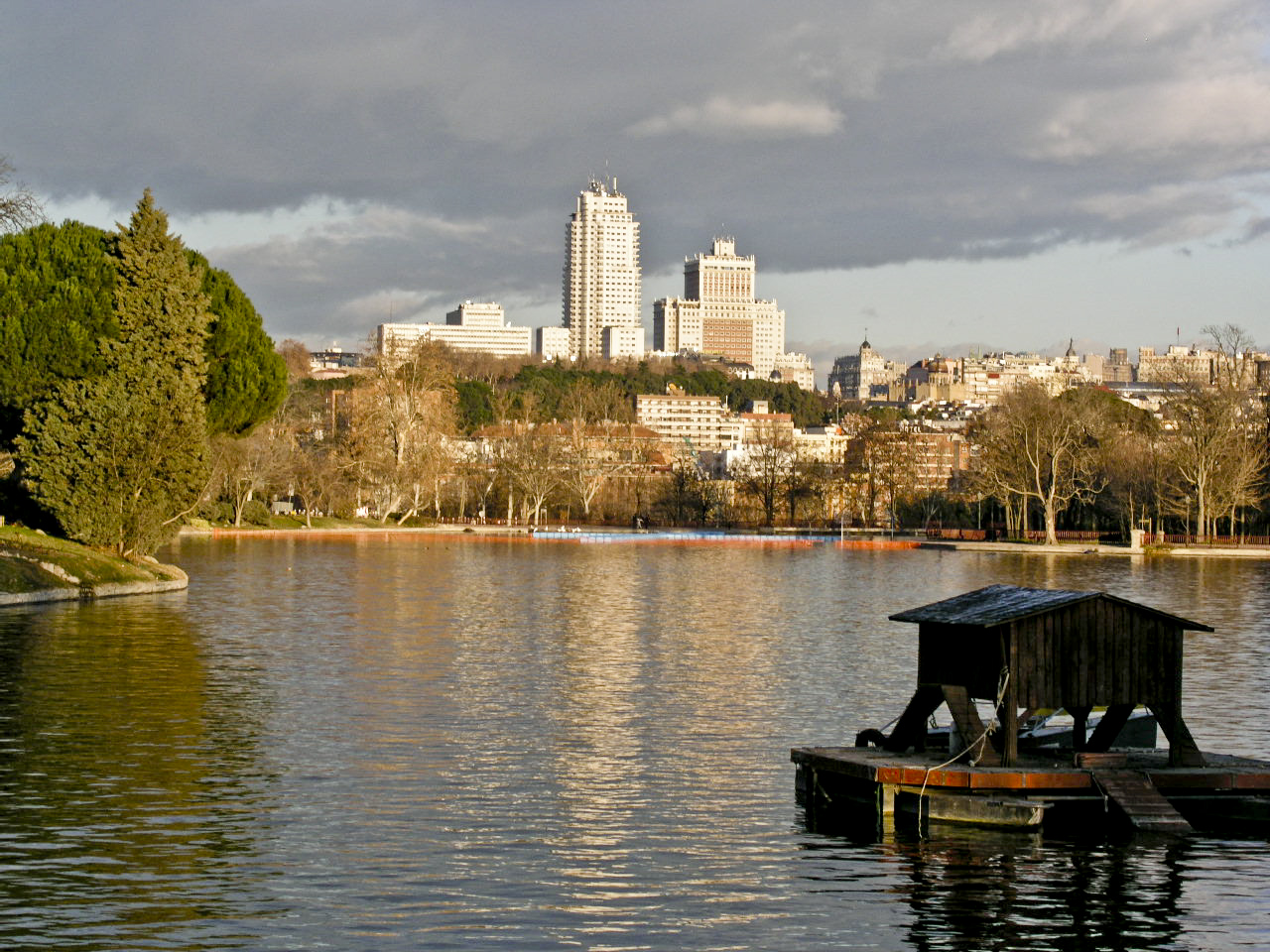
Photo: Pavlemadrid Commons · CC BY-SA 3.0 · Wikimedia Commons
Parque de Atracciones de Madrid is an amusement park in Madrid, Spain. The park opened in 1969 inside Casa de Campo. The free Lokali audio guide runs 6 minutes.
✓ Published October 2026 · how we write these guides
Visitor facts
| Lokali audio guide | 6 min · free |
|---|---|
| Type | Amusement Park |
| Location | Madrid, Spain |
| Coordinates | 40.4128, -3.7508 |
| Official website | parquedeatracciones.es |
| Languages | 50+, in the Lokali app |
The story
Listen first. Somewhere ahead, a chain clanks as a train of cars climbs a lift hill. Then a pause, a rush of wind through steel, and a wave of screams that rises and fades into the pine trees. Underfoot, the paths are warm asphalt. The air carries frying churros, sun cream, and the green, resinous smell of the park that surrounds all of this. You are standing inside the Parque de Atracciones de Madrid, the city's classic amusement park.
Before we look at the rides, look past them. The tall pines and holm oaks at the edge of the fences belong to Casa de Campo, the largest public park in Madrid. For centuries this land was a royal hunting estate, closed to ordinary people. It opened to the public in 1931, during Spain's Second Republic. So the ground under your feet went from royal privilege to the people of Madrid, and later to a place built purely for fun.
The amusement park itself opened in 1969. Spain was changing fast in those years. Cars, television, and summer holidays were reaching ordinary families for the first time. A big, modern fairground on the edge of the capital fit that mood. For many people in Madrid, a first visit here is a childhood memory. Ask a local over fifty, and there is a good chance they can name the ride that scared them most.
Here is a detail many visitors miss. Not far from these paths, the Casa de Campo was a front line in the Spanish Civil War. In 1936, fighting reached the western edge of Madrid, and this parkland saw trenches and bunkers. Traces of those defences still remain in the wider park. It is a quiet thought to hold while children queue for candy floss. The same hills that once held soldiers now hold roller coasters.
Now, the layout. The park is divided into themed zones, and the easiest way to understand it is to follow the noise. The big thrill rides tend to announce themselves from far away. Gentler rides and children's areas sit in calmer corners, with more shade and slower music. As you walk, notice how the paths curve. Designers of amusement parks rarely give you a straight line, because each bend is meant to reveal something new.
Look up, and you may spot Abismo. Its name means abyss in Spanish, and it is a compact steel coaster known for a steep vertical climb and a sharp drop. The track loops and twists in a small footprint, so you can watch most of a ride from the ground. Many people stand here just to hear the riders. The screams start before the drop, which tells you the anticipation is half the experience.
Then there is La Lanzadera, a tall drop tower. Riders sit in a ring of seats that rises slowly up the column. At the top there is a pause — long enough to see across Madrid — and then the seats fall. From the ground it looks simple. From the seat, it feels very different. If you have a camera, watch the faces just before the release. That moment of silence is the most human part of the ride.
For something wetter, look for Los Fiordos, a log flume ride. Boats float through a channel and finish with a long slide into a pool, sending a wall of water over the riders and often over the people watching from the bridge. On a hot Madrid afternoon, that splash is not a risk. For many visitors, it is the goal. Notice how many spectators choose to stand exactly where the water lands.
Other coasters fill the skyline too. Tarántula is a spinning coaster, where the cars rotate as they move along the track. Tornado is a suspended coaster, with riders hanging below the rails and their feet swinging free. Each ride uses a different idea about fear. One spins you, one drops you, one leaves your legs in the air. Together, they show how many ways engineers have found to unsettle the human body safely.
Amusement parks change constantly, and this one is no exception. Rides arrive, age, and close. Areas are rethemed for new generations, including zones built around cartoon characters for younger children. So what you see today may differ from what your parents remember. If a ride on the map is closed, it is not unusual. Maintenance and replacement are part of how a park like this stays alive.
Now think about the sound of the place as a whole. Every ride has its own soundtrack: hydraulic hisses, safety announcements in Spanish, recorded music, and the rhythm of cars on track. Behind it all there is a softer layer of birds in the pine trees. Stand still near the edge of the park for a moment. You can hear the city and the forest at the same time, which is unusual for a fairground.
Getting here is part of the story. The park sits inside Casa de Campo, so many visitors arrive by Metro, with Batán station a short walk away. Another route is more scenic. The Teleférico, Madrid's cable car, crosses from the Rosales area into Casa de Campo. From the gondola, you see the Royal Palace and the cathedral behind you, and the green park ahead. It is a fine way to arrive or leave.
Before you go, find a spot where you can see one of the tall rides against the sky. Watch one full cycle: the slow climb, the pause, the fall, the return to the platform. Then look at the trees just beyond the fence, the same kind of trees that have stood here for centuries. When you walk out, the screams will fade behind you, and the pines will close in. Madrid has kept both sides of this place — the wild park and the loud fairground — side by side.
Key facts
What to look for
Practical tips
Common questions
Is there a free audio guide to Parque de Atracciones de Madrid?
Yes — the Lokali app narrates Parque de Atracciones de Madrid free of charge in 50+ languages. The guide runs about 6 minutes, covers the history, what to look for on site and practical tips, and works offline once downloaded.
Where is Parque de Atracciones de Madrid?
Parque de Atracciones de Madrid is in Madrid, Spain, at 40.4128, -3.7508. Tap the map link on this page for directions from where you are.
What is Parque de Atracciones de Madrid known for?
The park opened in 1969 inside Casa de Campo. Casa de Campo was once a royal hunting estate.
What should you look for at Parque de Atracciones de Madrid?
Pine and holm oak trees beyond the park fences. Abismo's steep vertical climb before its first drop. The pause at the top of La Lanzadera.
What should you know before visiting Parque de Atracciones de Madrid?
Arrive early to reach popular coasters before queues build. Take the Teleférico cable car for views of central Madrid.
When is the best time to visit Parque de Atracciones de Madrid?
Carry water and sun protection on summer afternoons.
On the map
Opens directions to Parque de Atracciones de Madrid from your location.
More to see in Madrid



Hear Parque de Atracciones de Madrid in your language
The full story, narrated, in 50+ languages. Download it before you go and it plays offline, at your own pace, with no ticket and no tour group.