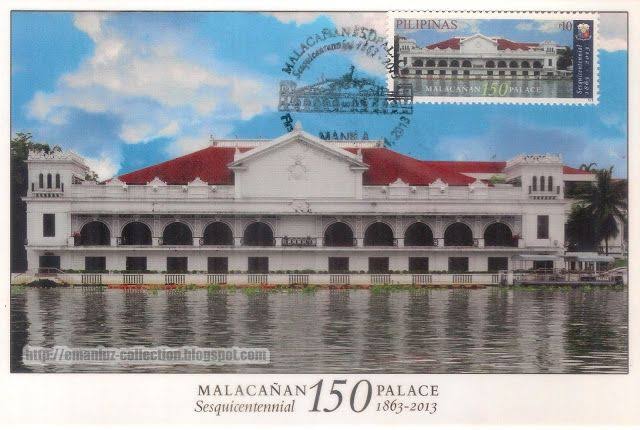
Photo: Valeraraisen · Public domain · Wikimedia Commons
Malacañang Palace is an official residence and principal workplace of the President of the Philippines. It is in Manila, Philippines. Official residence and workplace of the Philippine president. The free Lokali audio guide runs 7 minutes.
✓ Published October 2026 · how we write these guides
Visitor facts
| Lokali audio guide | 7 min · free |
|---|---|
| Type | Palace |
| Location | Manila, Philippines |
| Coordinates | 14.5939, 120.9945 |
| Languages | 50+, in the Lokali app |
The story
Listen first. Somewhere beyond the gates, the Pasig River slides past, brown and slow, carrying clumps of green water hyacinth toward Manila Bay. The air is heavy and warm. It smells faintly of river mud, exhaust, and cut grass. Ahead of you, behind iron railings and watchful guards, a long white palace sits low among old trees. This is Malacañang Palace, the official home and workplace of the President of the Philippines.
Here is the first thing most visitors miss. In the Philippines, the word Malacañang means more than a building. When a newspaper writes that Malacañang has announced something, it means the presidency itself. It works the way people say the White House in Washington. So the place you are standing near is both an address and an idea. A decision made inside these walls can change life across more than seven thousand islands.
The name itself is a small mystery. Nobody agrees on where it comes from. According to one popular tale, it began as a Tagalog phrase, may lakan diyan, which means a nobleman lives there. It is a lovely story, and locals still repeat it. But it is folk history, not documented fact. Other explanations point to old local words and plants. The honest answer is that the origin is uncertain.
What we do know is that the palace did not start as a seat of power. It began as a private riverside estate during the Spanish colonial period. A wealthy Spanish family built a country house here, outside the crowded walled city of Intramuros. The river breeze made it cooler than the old town. Later, the colonial government bought the property. It became a summer retreat for the Spanish Governor-General, who ruled the islands in the name of the Spanish crown.
Then the ground shook. In 1863, a powerful earthquake badly damaged the Governor-General's palace inside Intramuros. The colonial rulers moved to this riverside house instead. What began as a temporary solution became permanent. From that moment, power in the Philippines lived here, on the north bank of the Pasig. It is a surprising truth. One of the most important buildings in the country became important partly by accident.
Look at the shape of the buildings. Notice how they stay low and wide instead of tall. This style grows from a local tradition called bahay na bato, which means house of stone. In these houses, a solid stone ground floor carries a lighter upper floor made of wood. Wide windows and deep eaves let air move through the rooms. In a hot, humid climate, this is practical design, not decoration.
Inside, the palace is famous for its dark, polished Philippine hardwoods. Panelled ceilings, carved staircases, and gleaming floors fill the main halls. Many windows use capiz, thin shells from a local mollusc, set into wooden frames. When sunlight passes through them, it turns soft and pearly. Capiz windows were common in old Filipino houses. Here, they appear on a grand, ceremonial scale.
The palace kept growing as the country changed hands. After Spain lost the Philippines at the end of the nineteenth century, American governors-general moved in. They expanded the buildings and added new wings. In 1935, the Philippines became a self-governing Commonwealth under American oversight. Manuel Quezon became its president and moved into the palace. He was the first Filipino leader to live here. A building made for colonial rulers now housed a Filipino head of state.
The most dramatic chapter came in February 1986. Ferdinand Marcos had ruled for about two decades, much of it under martial law. Huge crowds filled Epifanio de los Santos Avenue, the main highway known as EDSA, in a peaceful uprising. Filipinos call it the People Power Revolution. Marcos and his family left the palace and flew into exile. Within hours, crowds entered the grounds they had been kept away from for years.
What they found inside became world news. Rooms held clothing, jewellery, and, most famously, a very large collection of shoes belonging to Imelda Marcos, the former first lady. Those shoes became a global symbol of excess. The story does not end there, though. In 2022, Ferdinand Marcos Junior, the son of the exiled president, was elected president. The family returned to the palace their parents had fled. Few buildings anywhere carry such a turn of history.
Not every president wanted to live here. Corazon Aquino, who came to power after the 1986 uprising, chose not to make the main palace her home. Years later, her son, Benigno Aquino the Third, lived in a smaller house across the river in the palace park. For some leaders, the palace felt too heavy with the past. For others, it was simply too formal for daily life.
Now turn your attention to the streets around you. Just nearby is Mendiola Street, short and narrow, and well known to every Filipino. For decades, students, workers, and farmers have marched toward the palace along this route. Many protests have stopped at barricades near the bridge. Some of those moments ended in violence. Today, the street is full of university students, jeepneys, and food stalls. Its history as a place of protest still lives in the national memory.
If you hope to see inside, plan ahead. The palace is a working government office, and security is strict. Part of the complex holds a presidential museum with portraits, gifts from foreign leaders, and objects from past administrations. Visits are possible only by advance reservation, and access can change without warning. Bring identification, dress neatly, and expect bag checks. Even from outside the gates, though, the scale and calm of the grounds are clear.
Before you walk on, pause for a moment. Look again at the white walls, the dark wood, the old trees leaning toward the water. Spanish rulers, American governors, and Filipino presidents have all looked out at this same river. Listen to the traffic, the jeepney horns, the voices from the street. As you leave, notice how close ordinary Manila life runs to the gates of power... just a few steps away.
Key facts
What to look for
Practical tips
Common questions
Is there a free audio guide to Malacañang Palace?
Yes — the Lokali app narrates Malacañang Palace free of charge in 50+ languages. The guide runs about 7 minutes, covers the history, what to look for on site and practical tips, and works offline once downloaded.
Where is Malacañang Palace?
Malacañang Palace is in Manila, Philippines, at 14.5939, 120.9945. Tap the map link on this page for directions from where you are.
What is Malacañang Palace known for?
Official residence and workplace of the Philippine president. Spanish governors moved here after the 1863 earthquake.
What should you look for at Malacañang Palace?
Pearly capiz shell panels set into wooden window frames. Dark polished hardwood ceilings and carved staircases inside. Low, wide wings in the bahay na bato style.
What should you know before visiting Malacañang Palace?
Book any palace or museum visit well in advance. Carry a valid photo ID for security checks.
On the map
Opens directions to Malacañang Palace from your location.
More to see in Manila


Hear Malacañang Palace in your language
The full story, narrated, in 50+ languages. Download it before you go and it plays offline, at your own pace, with no ticket and no tour group.