
Church of the Transfiguration
32.6862° N · 35.3929° E · Church
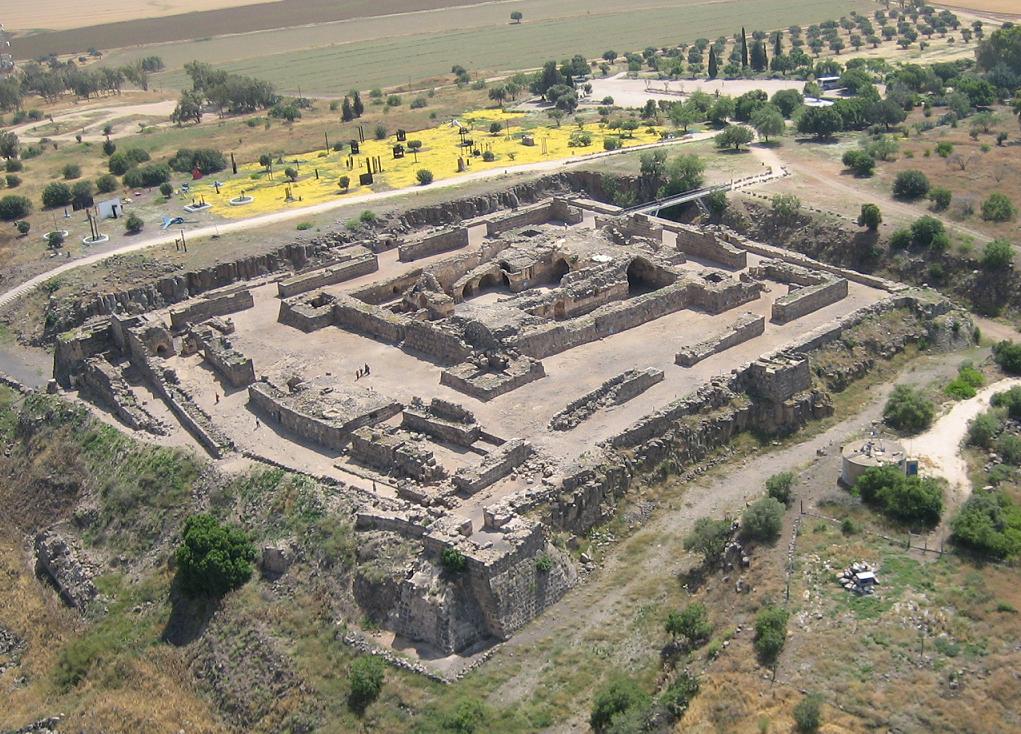
Photo: gugganij · CC BY-SA 3.0 · Wikimedia Commons
Church of the Transfiguration is an archaeological site in Israel. Nof HaGalil was called Upper Nazareth until 2019. The free Lokali audio guide runs 7 minutes.
✓ Published October 2026 · how we write these guides
Visitor facts
| Lokali audio guide | 7 min · free |
|---|---|
| Type | Church |
| Location | Nof HaGalil, Israel |
| Coordinates | 32.6862, 35.3929 |
| Official website | custodia.org |
| Languages | 50+, in the Lokali app |
The story
Pause for a moment and listen. Up here in the hills above Nazareth, the wind moves through pine and cypress. Traffic hums somewhere below. The air smells of dry earth and warm stone. And the light, especially in the late afternoon, falls soft and gold across pale limestone walls. You are standing at a church that carries one of the oldest names in Christian tradition, the Transfiguration, in a town that is, by the standards of this land, remarkably young.
First, a word of honesty. Many travellers mix up this church with a much more famous one. On the summit of Mount Tabor, a short drive from here, stands a large Franciscan basilica with the same name. That church is a separate place, on a separate mountain. Here we will stay with what is in front of you, and with the town that surrounds it. Where the written record is thin, we will simply look closely together.
So, where exactly are you? Nof HaGalil means, roughly, View of the Galilee. For decades the town had a different name, Upper Nazareth, or Nazareth Illit. It was founded in the late 1950s on the ridges above the old Arab city of Nazareth. In 2019 its residents chose the new name. The town and the old city sit side by side, but their histories, languages and rhythms feel quite different.
That difference matters for understanding a church here. Old Nazareth is full of ancient Christian sites, and many of them are tied to the childhood of Jesus. Nof HaGalil grew up as a modern planned town, with apartment blocks, industrial zones and wide roads. Its religious buildings tend to be newer. A church here usually serves a living local community. It is less of a pilgrim shrine and more of a place where neighbours meet each week.
And who are those neighbours? In the 1990s, after the collapse of the Soviet Union, many thousands of immigrants arrived in Israel. A large number of them settled in Nof HaGalil. Today you can still hear Russian on the streets, in the shops and at bus stops. Among those newcomers were Orthodox Christians and families of mixed backgrounds. For them, a church with a name from the Eastern tradition felt familiar, like a small piece of home in a new country.
Now, the name itself. The Transfiguration is a scene from the Gospels. Jesus takes three disciples, Peter, James and John, up a high mountain. There, according to the account, his face shines like the sun and his clothes turn dazzling white. Two figures from the Hebrew Bible appear beside him, Moses and Elijah. A voice speaks from a bright cloud. The disciples fall to the ground in fear. It is a moment of light, and of revelation.
The Gospels do not name the mountain. Christian tradition, however, has pointed to Mount Tabor since the early centuries. And here is the first surprise for many visitors. From the higher streets of Nof HaGalil, you can often see Tabor itself. Look to the southeast for a lone, rounded hill rising from the flat Jezreel Valley. It looks almost too neat, like a bowl turned upside down. That shape is the reason pilgrims have long found it easy to recognise.
So a church named for the Transfiguration, standing within sight of Tabor, makes quiet sense. The congregation can look across the valley at the very hill their feast day remembers. In most Western churches that feast falls on the sixth of August. Orthodox churches that follow the older Julian calendar mark it thirteen days later, on the nineteenth of August. In some Orthodox traditions, people bring fruit, especially grapes, to be blessed on that day.
If the doors are open, step inside quietly. In an Orthodox church, the first thing you usually notice is the iconostasis. This is a screen or wall of painted icons that separates the main hall from the altar area. Icons are not decorations in this tradition. Believers see them as windows toward the holy. People often light a thin candle, cross themselves, and kiss the edge of an icon before moving on.
Look for the icon of the feast itself, because it follows a pattern that is centuries old. Christ stands at the top in white, often inside circles of light. Moses and Elijah stand on either side of him. Below, the three disciples are thrown backward down the slope, shielding their eyes. Painters have repeated this composition for over a thousand years. Once you know it, you will recognise it in churches across Greece, Russia, Georgia and beyond.
Here is a second detail many visitors miss. In Orthodox thinking, the light of the Transfiguration has a special meaning. Medieval monks on Mount Athos, in Greece, wrote about it at length. They taught that this was the same light a person might glimpse through deep prayer. That is why gold is so common in icons. The gold is not there to show wealth. It is there to stand for that light.
Step back outside and notice the setting. Compared with the crowded lanes of old Nazareth, this part of the hills feels open and residential. You may hear children from nearby flats, a dog barking, the call to prayer drifting up from mosques in the valley, or church bells from the city below. All of this lives together within a few kilometres. Few places show the layered religious life of the Galilee as clearly as this ridge.
Before you go, turn once more toward the horizon. Somewhere out there, Tabor rises from the valley, as it has for every generation that has lived here. The church behind you is young, and the town around it is young. The story that gave it a name is very old. Take a slow breath of the pine-scented air, look at the light on the stone, and carry that quiet with you as you walk back down the hill.
Key facts
What to look for
Practical tips
Common questions
Is there a free audio guide to Church of the Transfiguration?
Yes — the Lokali app narrates Church of the Transfiguration free of charge in 50+ languages. The guide runs about 7 minutes, covers the history, what to look for on site and practical tips, and works offline once downloaded.
Where is Church of the Transfiguration?
Church of the Transfiguration is near Nof HaGalil, Israel, at 32.6862, 35.3929. Tap the map link on this page for directions from where you are.
What is Church of the Transfiguration known for?
Nof HaGalil was called Upper Nazareth until 2019. The town was founded in the late 1950s.
What should you look for at Church of the Transfiguration?
Mount Tabor's rounded silhouette on the southeastern horizon. The iconostasis screen of icons in front of the altar. Christ in white flanked by Moses and Elijah.
What should you know before visiting Church of the Transfiguration?
Dress modestly with covered shoulders and knees before entering. Check locally whether services are running before you visit.
When is the best time to visit Church of the Transfiguration?
Come in late afternoon for softer light on the stone.
On the map
Opens directions to Church of the Transfiguration from your location.
More to see near Church of the Transfiguration



Hear Church of the Transfiguration in your language
The full story, narrated, in 50+ languages. Download it before you go and it plays offline, at your own pace, with no ticket and no tour group.