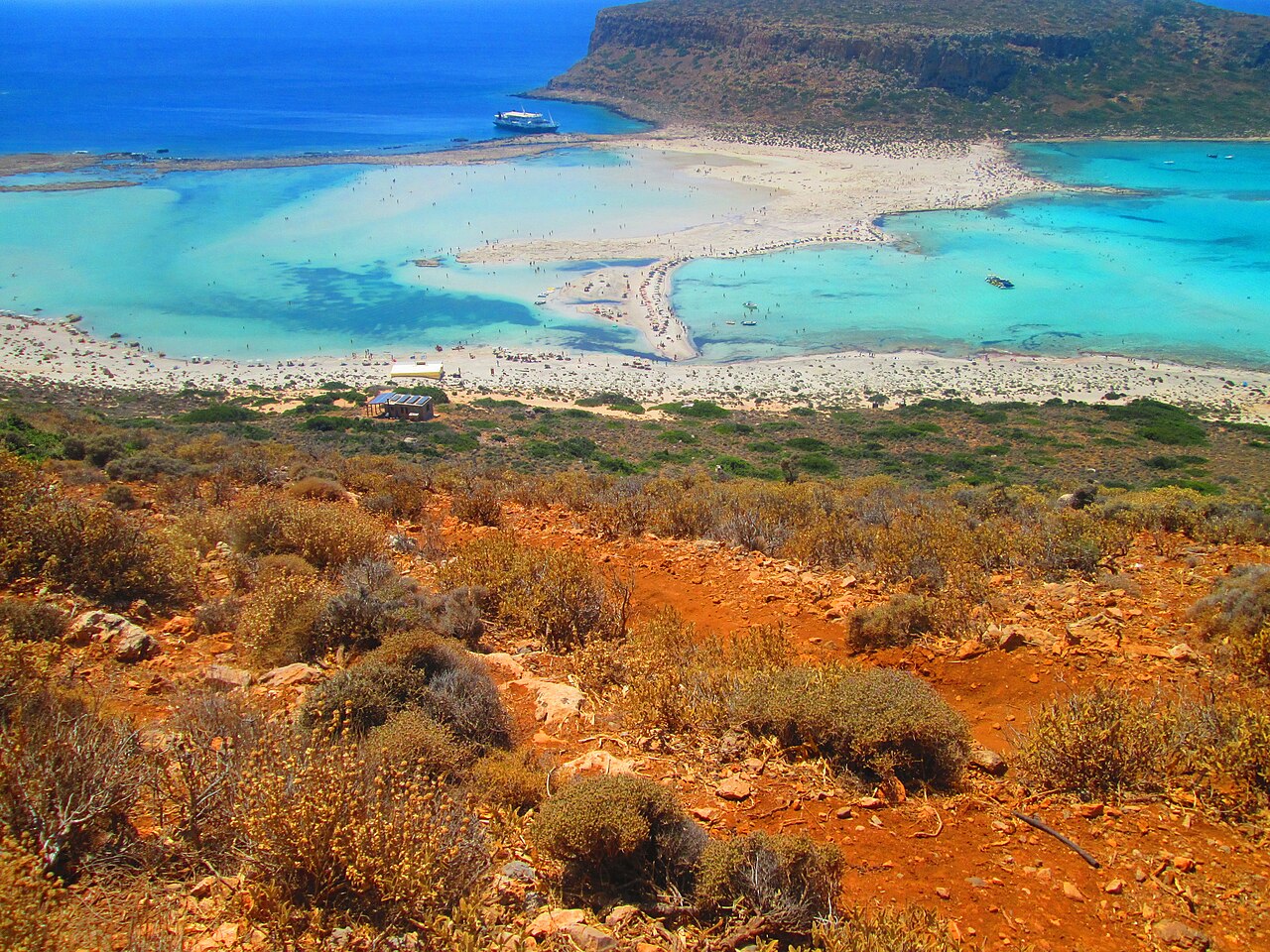
Estuary and Lagoon
23.6150° N · 109.6950° W · Nature Reserve
Estuary and Lagoon is a protected wetland ecosystem at the mouth of the San Jose del Cabo river, rich with migratory birds, mangroves, and marine life. It is in San José del Cabo, Mexico. Most visitors spend 2–3 hours here. The free Lokali audio guide runs 5 minutes.
✓ Verified August 2026 · how we write these guides
Visitor facts
| Time needed | 2–3 hours |
|---|---|
| Lokali audio guide | 5 min · free |
| Type | Nature Reserve |
| Best for | Photography |
| Location | San José del Cabo, Mexico |
| Coordinates | 23.6150, -109.6950 |
| Languages | 45, in the Lokali app |
The story
Stop for a moment and listen. Behind you, the town hums. Ahead, the sound changes. Wind moves through tall reeds. Water laps against a sandbar. A heron lifts off with slow, heavy wingbeats. This is the estuary of San José del Cabo, a green line of water at the edge of the desert.
The estuary forms where the San José river reaches the sea. The river begins in the Sierra de la Laguna, the mountains that rise inland from the coast. For most of its journey, the water travels underground, hidden beneath sand and rock. Here, close to the shore, it rises to the surface. A sandbar blocks its path to the ocean, and the water spreads out into a calm lagoon.
Think about what that means in this landscape. Baja California Sur is a dry land. Rain is rare for most of the year. Yet here, palms and reeds grow thick, and fresh water stands in the open air. The estuary is one of the few coastal freshwater wetlands in this region of the peninsula. It is a small miracle of geography.
People have always followed this water. The Pericú people lived here long before Europeans arrived. They fished the lagoon, gathered shellfish along the shore, and drank from the springs. Their name for this place was Añuití. When the Spanish founded a mission town here in 1730, they built it near this same water.
The estuary also appears in the story of the great treasure ships. Spanish galleons sailed from Manila across the Pacific, loaded with silk, spice, and porcelain. After months at sea, their crews were sick and their water barrels were nearly empty. This lagoon was one of the first reliable water sources on the coast. Ships anchored offshore and sent boats in to fill their casks.
Where treasure ships stopped, pirates followed. English and Dutch raiders learned the route and waited near the cape for the slow, heavy galleons. The fresh water of this quiet lagoon helped decide where those hunts took place. It is strange to stand beside such calm water and imagine it mattering to ships full of silver and silk.
Today the estuary is a protected natural area. The town has grown around it, with hotels standing only a short walk away. Yet inside the reserve, the reeds still crowd the banks, and the water still moves at its own slow pace. Sandy paths lead along the edge of the lagoon, shaded in places by fan palms.
Birds are the main residents now. More than 200 species have been recorded in and around the estuary. Egrets and herons stand still in the shallows, waiting to strike. Coots and moorhens paddle between the reeds. Ducks arrive in the cooler months, resting here on long migrations. Ospreys circle above, then drop hard onto fish below the surface. Frigatebirds hang high overhead like black kites.
One small bird makes this place important far beyond the town. Belding's yellowthroat is a little yellow songbird with a dark mask. It lives only in the wetlands of Baja California Sur, and it is endangered. Reed beds like these are its home. Birdwatchers travel long distances for a glimpse of it moving low inside the cattails.
The estuary has survived storms and droughts. Hurricanes sometimes push seawater in and flatten the reeds. The wetland recovers each time. Local groups watch over it, count its birds, and clean its paths. For the town, it is a park, a classroom, and a memory of why people settled here at all.
Walk slowly and let the estuary reveal itself. The best hours are early morning and late afternoon, when the light is soft and the birds are active. Stand still for a minute at a time. The longer you wait, the more you see: a turtle's head above the water, a heron frozen in the shallows, small fish flashing near the surface.
Follow the water toward the beach and you reach the sandbar, where the lagoon almost touches the sea. After heavy rains, the river sometimes breaks through and runs into the surf. In drier months, the sand seals the mouth again, and the lagoon rests behind it. The line between fresh water and salt water moves with the seasons.
Before you leave, look back across the water. The hotels are new. The palms and reeds are old. Pericú families, Jesuit missionaries, galleon sailors, and pirates all came to this exact place for the same simple reason: water in a dry land. The town around you began here. The estuary keeps that memory, quietly, one heron at a time.
Key facts
What to look for
Practical tips
Common questions
How long do you need at Estuary and Lagoon?
Plan 2–3 hours. That is the time most visitors spend at Estuary and Lagoon. The free Lokali audio guide adds about 5 minutes of narration you can listen to as you walk, so it fits inside your visit rather than adding to it.
Is there a free audio guide to Estuary and Lagoon?
Yes — the Lokali app narrates Estuary and Lagoon free of charge in 50+ languages. It covers the history, what to look for on site and practical tips, and it works offline once downloaded.
Where is Estuary and Lagoon?
Estuary and Lagoon is in San José del Cabo, Mexico, at 23.6150, -109.6950. Tap the map link on this page for directions from where you are.
What should you know before visiting Estuary and Lagoon?
Visit early morning or late afternoon for the most bird activity.
What is Estuary and Lagoon known for?
More than 200 bird species recorded in the estuary.
What is the best time to visit Estuary and Lagoon?
Early morning paddles are quieter and offer better wildlife viewing.
On the map
Opens directions to Estuary and Lagoon from your location.
More to see in San José del Cabo



Hear Estuary and Lagoon in your language
The full story, narrated, in 50+ languages. Download it before you go and it plays offline, at your own pace, with no ticket and no tour group.