
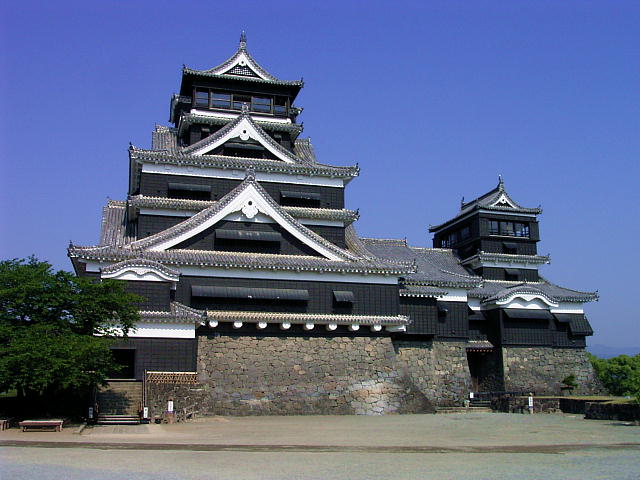
Photo: 663highland · CC BY 2.5 · Wikimedia Commons
Shimabara Castle is a Japanese castle in Shimabara, Nagasaki prefecture. Built by lord Matsukura Shigemasa in the early seventeenth century. The free Lokali audio guide runs 7 minutes.
✓ Published October 2026 · how we write these guides
Visitor facts
| Lokali audio guide | 7 min · free |
|---|---|
| Type | Castle |
| Location | Shimabara, Japan |
| Coordinates | 32.7892, 130.3672 |
| Official website | shimabarajou.com |
| Languages | 50+, in the Lokali app |
The story
Stand at the edge of the moat for a moment and listen. Gravel crunches underfoot, crows call from the pines, and somewhere a breeze moves across the water. Above you, white plaster walls rise in tiers, each one capped with a dark tiled roof. Behind the keep, if the sky is clear, the green shoulders of Mount Unzen fill the horizon. This is Shimabara Castle, and it is a place of white walls with a dark story.
The castle stands on the Shimabara Peninsula, in Nagasaki Prefecture, on the western Japanese island of Kyushu. It was built in the early seventeenth century by a lord named Matsukura Shigemasa. Work took several years, and the result was far larger than a domain of this size really needed. Look at the height of the stone walls around you. Then imagine paying for them with rice from small farms and fishing villages. That imbalance is the key to everything that happened here.
To build on this scale, the Matsukura family raised taxes again and again. Farmers on the peninsula carried a heavy load. At the same time, this region had a large Christian population. Portuguese missionaries had been active in Kyushu during the sixteenth century, and many local families had converted. When the shogunate banned Christianity, the lords of Shimabara enforced the ban with great cruelty. Hunger and religious persecution came together in the same villages.
In 1637, the pressure broke. Peasants, fishermen, and masterless samurai rose up in what is now called the Shimabara Rebellion. Their symbolic leader was a teenager named Amakusa Shiro, whom many followers saw as a figure of hope. The rebels attacked this castle, but its walls held. They then gathered at an older, abandoned fortress further down the peninsula, called Hara Castle.
There, tens of thousands of people held out for months against a huge army sent by the shogunate. In early 1638, the fortress fell, and the defenders were killed in very large numbers. The consequences reached far beyond Shimabara. The shogunate tightened its control on contact with Europe, and Japan moved further into its long period of national isolation. A local revolt in this corner of Kyushu helped shape the country's relationship with the outside world for two centuries.
Here is a detail many visitors miss. The shogunate blamed the lord of Shimabara, Matsukura Katsuie, for provoking the uprising through his misrule. He lost his domain, and he was executed. Most disgraced lords of that era were permitted to take their own lives with honour. Katsuie was denied that. Historians often note that he was the only daimyo, or feudal lord, of the Edo period to be executed in this way.
After the rebellion, other families governed the domain, and the castle served for more than two centuries. Then, in the late nineteenth century, Japan abolished the old feudal system. Across the country, many castles were pulled down as symbols of a world that had ended. Shimabara Castle was dismantled too. For decades, only the moats and the massive stone walls remained here.
The tower in front of you is a reconstruction, completed in the 1960s, along with several of the corner turrets. It is built of modern materials, but its outline follows the old style closely. Notice how each roof level is slightly smaller than the one below. That stepped shape gives the keep its sense of balance. From a distance, against the mountain, the effect is calm and almost delicate, which is strange for a building with such a violent past.
Inside the keep, a museum follows the story through objects. Some of the most moving are connected to the hidden Christians — families who kept their faith in secret for generations after the ban. Look for small devotional figures that appear Buddhist at first glance. Some of these carried Christian meaning for the people who prayed before them. Keep an eye out, too, for samurai armour and everyday objects from the domain. Then climb to the top floor. The view is the reward.
From the highest level, turn slowly in a circle. On one side, the town runs down to the Ariake Sea, and on clear days the coast of Kumamoto lies across the water. On the other side rises Mount Unzen. This volcano has shaped Shimabara as much as any lord. In 1792, an eruption and the collapse of a nearby peak sent a huge landslide into the sea. The tsunami that followed killed thousands of people on both shores.
The mountain is not only ancient history. In the early 1990s, Unzen erupted again, and its pyroclastic flows — fast avalanches of hot gas and rock — took dozens of lives. Some of the people who died were journalists and scientists who had come to observe it. So when you look at that green slope from the castle window, you are looking at an active volcano. People here live with that knowledge every day.
Before you leave the grounds, look for one of the turrets that holds a small memorial museum for Kitamura Seibo. He was a sculptor born in this area, and he created the large Peace Statue in Nagasaki. His bronze figures are strong and muscular, and they bring a twentieth century voice into this old fortress. Afterwards, walk a few minutes from the castle to the old samurai district. There, a stream of clear water runs down the middle of the lane, between low stone walls.
Shimabara is a town of water. Spring water rises all over the area, and in some streets you may see colourful carp swimming in the channels beside the road. It is a gentle contrast to the story told inside the castle. As you walk back past the moat, look up once more at the white walls and the dark roofs. Behind them, the mountain rises. Rebellion, faith, and fire all passed through this place — and now the sound you hear may be nothing more than water moving through the stones.
Key facts
What to look for
Practical tips
Common questions
Is there a free audio guide to Shimabara Castle?
Yes — the Lokali app narrates Shimabara Castle free of charge in 50+ languages. The guide runs about 7 minutes, covers the history, what to look for on site and practical tips, and works offline once downloaded.
Where is Shimabara Castle?
Shimabara Castle is in Shimabara, Japan, at 32.7892, 130.3672. Tap the map link on this page for directions from where you are.
What is Shimabara Castle known for?
Built by lord Matsukura Shigemasa in the early seventeenth century. Heavy taxes for construction helped spark the 1637 rebellion.
What should you look for at Shimabara Castle?
Massive original stone walls rising from the moat. Roof tiers getting smaller toward the top of the keep. Devotional figures connected to hidden Christian families.
What should you know before visiting Shimabara Castle?
Visit on a clear morning for the best view of Unzen. Climb to the keep's top floor before exploring the museum.
When is the best time to visit Shimabara Castle?
Visit on a clear morning for the best view of Unzen.
On the map
Opens directions to Shimabara Castle from your location.
More to see near Shimabara Castle



Hear Shimabara Castle in your language
The full story, narrated, in 50+ languages. Download it before you go and it plays offline, at your own pace, with no ticket and no tour group.