Central Post Office
10.7799° N · 106.6987° E · Historic Building
Central Post Office is a historic building in Thủ Đức, Vietnam. Designed by French architect Gustave Eiffel's firm and completed in 1891, this yellow colonial structure showcases ornate ironwork and a soaring vaulted ceiling. Most visitors spend 30–45 min here. The free Lokali audio guide runs 5 minutes.
✓ Verified August 2026 · how we write these guides
Visitor facts
| Time needed | 30–45 min |
|---|---|
| Lokali audio guide | 5 min · free |
| Type | Historic Building |
| Best for | History |
| Location | Thủ Đức, Vietnam |
| Coordinates | 10.7799, 106.6987 |
| Languages | 45, in the Lokali app |
The story
Push open the tall doors and step inside. The sound of the street fades away behind you. Above your head arches a long, curved ceiling, painted pale green and held up by rows of slim iron. Light pours down through high windows. This is the Central Post Office of Saigon, and it still works as a real one.
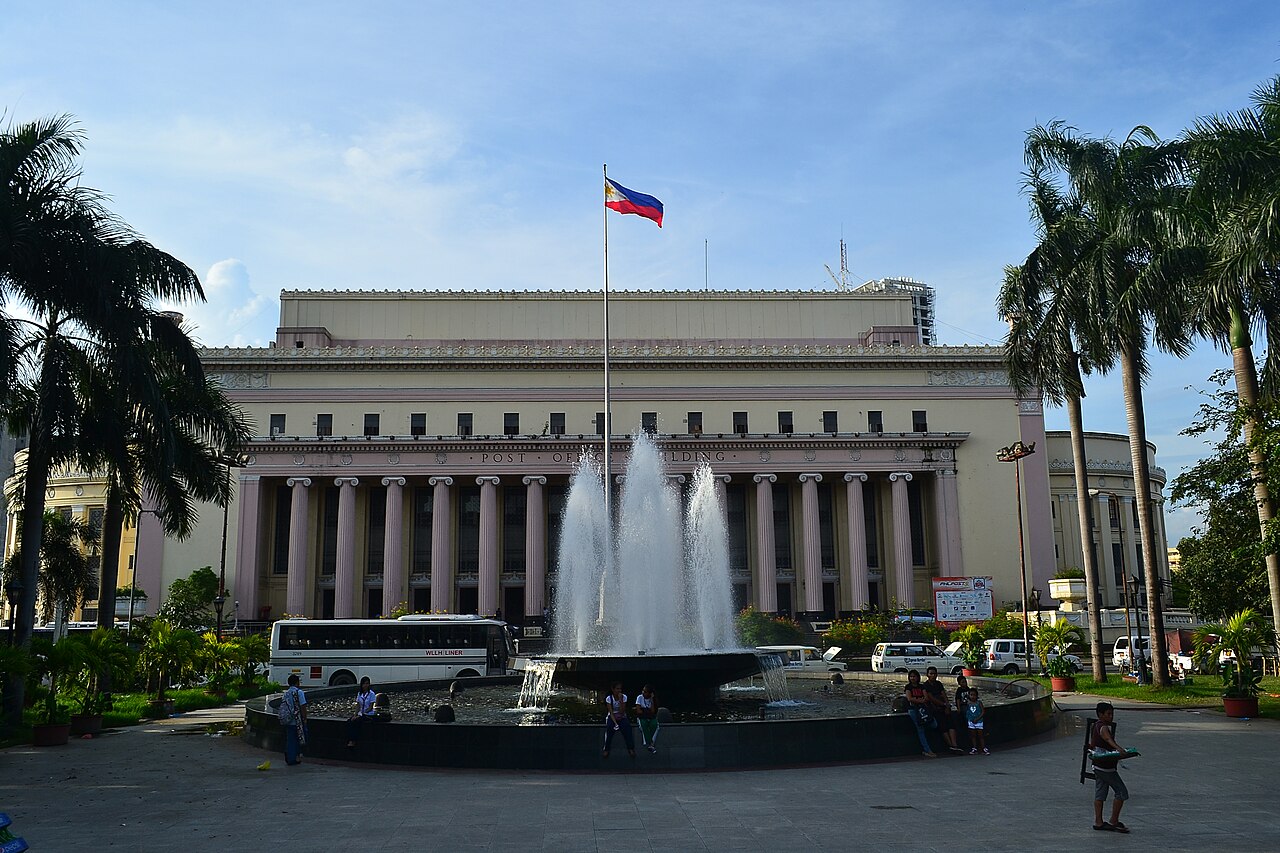
French builders put it up between 1886 and 1891. It sits right beside the old cathedral, in the heart of District 1. From the outside it looks much like a grand train station from old Europe. Pale yellow walls. Clean white trim around every window. A large round clock set high above the main entrance. Green shutters frame the windows along the front.
A popular story claims the famous engineer Gustave Eiffel designed it. Many guides still tell that tale with confidence. Most historians now doubt it strongly. The design is far more likely the work of other French architects of the day. Still, the light iron frame inside does carry the open, airy feel of that great age of engineering.
The main hall is the true heart of the place. It runs long and high, with that arched roof curving smoothly overhead. The iron beams are painted and bolted together in plain view. They carry the whole ceiling without the need for heavy walls. The result is a room full of air and soft, even light. Sound carries far in here, so footsteps and voices blend into a soft, steady hum.
Two large maps hang on the upper walls at the far end of the hall. They are painted straight onto the plaster surface. One shows the old telegraph lines that once ran across southern Vietnam. The other shows Saigon and the land around it as it looked long ago. Both have faded to gentle, soft colors over the long years.
At the back, high above the main aisle, hangs a large portrait of Ho Chi Minh. He looks down the length of the hall toward the doors and the light. People stop beneath it to take their photographs. The portrait has watched calmly over the whole room for many years now.
Wooden counters line both sides of the hall. Behind them, clerks still sell stamps and weigh parcels by hand. This is real, daily work, and not a show put on for visitors. Local people line up patiently to send their letters and packages. The post office has never once stopped doing its job. Some come only to change money or to pay a bill.
Down the center of the room stand long wooden benches and a row of old phone booths. The booths are carved and dark, worn with age. A few of them still hold their telephones inside. Visitors sit on the benches to write postcards. There is a desk nearby where you can buy a stamp and send one.
Look down, and you will see patterned floor tiles, rubbed smooth by more than a hundred years of passing feet. Look up, and you will find old wrought iron, painted green, curling into neat and careful shapes. Small details like these are what reward a slow, unhurried walk through the hall. Ceiling fans turn slowly overhead, stirring the warm afternoon air.
The building belongs to the same chapter of history as the cathedral right next door. Both came from French hands within the same span of years. Together they form one of the most photographed corners in the whole city. Crowds gather on the front steps from early morning until well after dark.
For all the cameras and crowds, the place keeps a strange working calm. A clerk stamps a letter. A child mails a card to a friend. A traveler studies the faded painted map on the wall. Daily business and sightseeing happen quietly side by side, under the same long green roof.
Before you go, step back outside and look up at the front of the building. The pale yellow face is trimmed in clean white. Carved names and small reliefs run along the top edge. A row of figures sits above the great clock, watching over the square below.
Buy a postcard before you leave the hall. Write a few simple lines on the back. Then drop it into the slot and let it begin its slow journey home. In a world of fast and instant messages, that small act fits this room perfectly. The post office has carried words across great distance for well over a century, and now it carries yours too.
Key facts
What to look for
Practical tips
Common questions
How long do you need at Central Post Office?
Plan 30–45 min. That is the time most visitors spend at Central Post Office. The free Lokali audio guide adds about 5 minutes of narration you can listen to as you walk, so it fits inside your visit rather than adding to it.
Is there a free audio guide to Central Post Office?
Yes — the Lokali app narrates Central Post Office free of charge in 50+ languages. It covers the history, what to look for on site and practical tips, and it works offline once downloaded.
Where is Central Post Office?
Central Post Office is in Thủ Đức, Vietnam, at 10.7799, 106.6987. Tap the map link on this page for directions from where you are.
What should you know before visiting Central Post Office?
Buy a postcard and mail it home here.
What is Central Post Office known for?
Built by the French between 1886 and 1891.
What is the best time to visit Central Post Office?
The interior is more impressive than the facade.
On the map
Opens directions to Central Post Office from your location.
More to see in Thủ Đức


Hear Central Post Office in your language
The full story, narrated, in 50+ languages. Download it before you go and it plays offline, at your own pace, with no ticket and no tour group.