
Potsdamer Platz is a reconstructed urban plaza that once divided East and West Berlin. It is in Berlin, Germany. Most visitors spend 1–2 hours here. The free Lokali audio guide runs 5 minutes.
✓ Verified August 2026 · how we write these guides
Visitor facts
| Time needed | 1–2 hours |
|---|---|
| Lokali audio guide | 5 min · free |
| Type | Square |
| Best for | Editors' pick |
| Location | Berlin, Germany |
| Coordinates | 52.5053, 13.3756 |
| Languages | 45, in the Lokali app |
The story
A square ringed by glass towers, cinemas, and a great tented roof rises where, within living memory, there was only the empty death strip of the wall. This is Potsdamer Platz, a modern quarter built almost from nothing in the years after reunification, and a symbol of the city's rebirth.
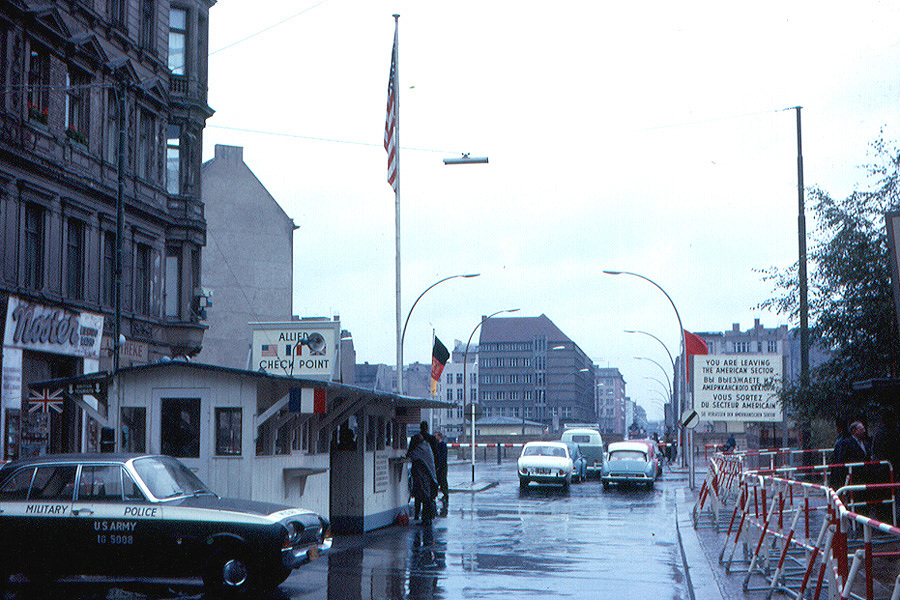
A century ago this was one of the busiest squares in Europe, a roaring hub of traffic, trams, and cafes. The war flattened it, and then the wall ran right across it, leaving the heart of the old square as a barren no-man's-land for decades.
After the wall fell, the empty space became the largest building site in Europe, and through the 1990s a whole new district of skyscrapers, offices, and entertainment rose on the wasteland, a deliberate stitching-together of the once-divided city.
The result is a quarter of bold modern architecture by famous international architects, glass-and-steel towers around a square, including a striking complex under a great tented glass roof that glows at night.
The district is a centre of cinema and entertainment, home to a major film festival, screens, theatres, and a museum of film, so it draws crowds for premieres and shows as well as for the architecture.
A few segments of the wall stand on the square as a reminder, and markers in the ground trace the line it once followed, so the history is not entirely erased beneath the new building.
It is, frankly, a modern commercial and business district rather than an old historic sight, and some find it sterile, but as a statement of how completely the city rebuilt itself, it is remarkable.
The contrast is the point: standing among the gleaming towers, it is hard to picture the empty, deadly strip that lay here so recently, and that disappearance is itself the story.
The square sits beside the great park and within reach of the central landmarks, so it folds into a day in the centre, a jump from the historic core into the rebuilt modern city.
After dark the towers and the tented roof are lit, and the district is at its most striking, busy with cinema-goers and diners under the glass.
Stand in the square among the glass towers, find the old wall segments and the line in the ground, and the speed of the city's reinvention sinks in. When you walk on toward the park, the modern quarter gives way again to the older, greener city.
Key facts
What to look for
Practical tips
Common questions
How long do you need at Potsdamer Platz?
Plan 1–2 hours. That is the time most visitors spend at Potsdamer Platz. The free Lokali audio guide adds about 5 minutes of narration you can listen to as you walk, so it fits inside your visit rather than adding to it.
Is there a free audio guide to Potsdamer Platz?
Yes — the Lokali app narrates Potsdamer Platz free of charge in 50+ languages. It covers the history, what to look for on site and practical tips, and it works offline once downloaded.
Where is Potsdamer Platz?
Potsdamer Platz is in Berlin, Germany, at 52.5053, 13.3756. Tap the map link on this page for directions from where you are.
What should you know before visiting Potsdamer Platz?
Come after dark to see it lit.
What is Potsdamer Platz known for?
A modern quarter built after reunification.
What is the best time to visit Potsdamer Platz?
The Sony Center's atrium is a quiet refuge with a water feature—locals cut through here.
On the map
Opens directions to Potsdamer Platz from your location.
Reference
More to see in Berlin



Hear Potsdamer Platz in your language
The full story, narrated, in 50+ languages. Download it before you go and it plays offline, at your own pace, with no ticket and no tour group.