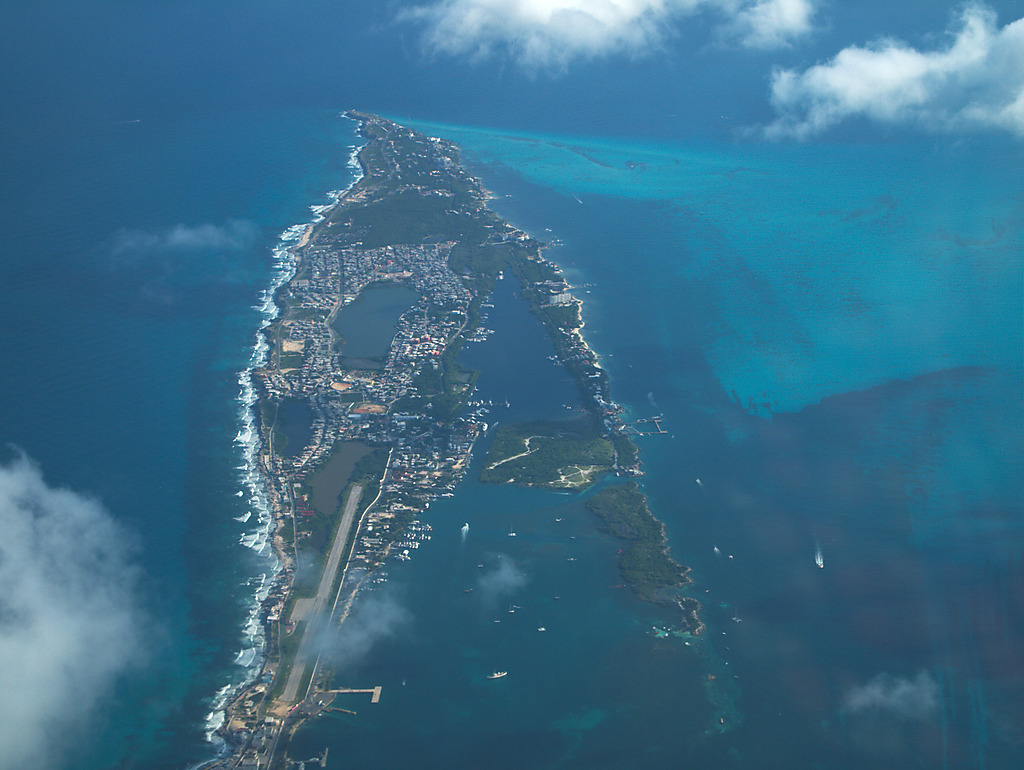
Playa Norte is the island's most famous stretch of sand on the northern shore, with calm turquoise waters, soft white sand, and a relaxed beach-bar atmosphere. It is in Cancún, Mexico. Most visitors spend 2–4 hours here. The free Lokali audio guide runs 5 minutes.
✓ Verified August 2026 · how we write these guides
Visitor facts
| Time needed | 2–4 hours |
|---|---|
| Lokali audio guide | 5 min · free |
| Type | Beach |
| Best for | Photography |
| Location | Cancún, Mexico |
| Coordinates | 21.2386, -86.7302 |
| Languages | 45, in the Lokali app |
The story
The sand here is white and fine, like sifted flour. It stays cool under bare feet, even in the strong midday sun. Ahead, the sea lies flat and clear, with almost no waves at all. The water shows bands of color: pale green near your ankles, then turquoise, then a line of deep blue far out. This is Playa Norte, the beach at the northern tip of Isla Mujeres.
You are standing on a small island in the Caribbean Sea. Isla Mujeres is about seven kilometers long and only a few hundred meters wide. It lies a short distance off the coast of Cancun, on the eastern edge of Cancún. The beach faces north and west, toward a calm bay. That position shelters it from the open sea, and it shapes everything you feel here.
The island's name means Island of Women. In 1517, a Spanish expedition led by Francisco Hernández de Córdoba reached these shores. The sailors found clay figures of a female form along the coast. The figures showed Ixchel, the Maya goddess of the moon, medicine, and fertility. Maya women traveled here by canoe to honor her. The Spanish saw the figures and named the island after them.
Walk into the water and notice what it does not do. It does not push you, and it does not pull. A wide sandbank shelters this shore, so the waves arrive small and tired. The bottom stays shallow for a long way out. An adult can walk many meters from the beach and still stand only waist-deep. Children float here for hours while parents watch from the sand.
Look along the waterline. Palm trees lean out over the sand at low angles, and some almost touch the water. Rope swings and hammocks hang above the shallows. People sit half in the sea with a cold drink and let the afternoon pass slowly. Photographers wait their turn at the most famous leaning palms. The trees have carried decades of storms, and they still hold.
The beach holds two moods side by side. Beach clubs set out loungers, umbrellas, and soft music, and waiters carry trays across the hot sand. Between the clubs, local families spread towels and unpack home-cooked food. Vendors walk the shoreline selling fresh fruit, grilled shrimp, and cold coconuts. Nobody hurries. The calm water sets the pace for everyone, visitor and islander alike.
Most people arrive the way you may have arrived: by ferry. Passenger boats cross from Gran Puerto in Cancun in about twenty minutes. From the ferry dock in town, the walk to this beach takes about ten minutes. The streets along the way are narrow and bright, lined with small shops, taco stands, and murals. The town ends, and suddenly the sand begins.
The island itself runs on golf carts. They rattle down the lanes, loaded with families, coolers, and beach bags. Mornings on Playa Norte are quiet, with space to swim alone. By noon, day-trippers from Cancun fill the sand and the shallows. In late afternoon the crowd thins again. The light turns soft and gold, and the water goes still.
Stay for the end of the day if you can. Playa Norte faces the sunset, which is rare on this coast of Cancún. The sun drops straight into the sea in open view, with nothing in the way. Travel surveys often place this beach among the best in Cancún and the wider Caribbean. The evening light is a large part of the reason.
Look across the water toward the mainland. On clear days you can see the hotel towers of Cancun standing on the horizon in a long pale row. The contrast is the point of coming here. Over there, resorts rise twenty floors above the beach. Here, almost nothing stands taller than a palm tree, and the loudest sound is the ferry horn.
The beach is public, and entry is free. You can rent a lounger from a beach club for the day, or simply lay a towel on open sand. A fresh coconut costs a few dollars. Bring cash, because small vendors rarely take cards. Bring reef-safe sunscreen too. The water is clear, and what you wash off stays in it.
Before you leave, stand once more where the water meets the sand. Small waves fold over your ankles and slide back out. Anchored boats turn slowly in the current. Music plays low somewhere behind you. Places like this do not announce themselves. They simply wait, calm and shallow and bright, until you slow down enough to match their speed.
Key facts
What to look for
Practical tips
Common questions
How long do you need at Playa Norte?
Plan 2–4 hours. That is the time most visitors spend at Playa Norte. The free Lokali audio guide adds about 5 minutes of narration you can listen to as you walk, so it fits inside your visit rather than adding to it.
Is there a free audio guide to Playa Norte?
Yes — the Lokali app narrates Playa Norte free of charge in 50+ languages. It covers the history, what to look for on site and practical tips, and it works offline once downloaded.
Where is Playa Norte?
Playa Norte is in Cancún, Mexico, at 21.2386, -86.7302. Tap the map link on this page for directions from where you are.
What should you know before visiting Playa Norte?
Walk ten minutes north from the ferry dock to reach the beach.
What is Playa Norte known for?
Spanish sailors found Ixchel figurines here in 1517.
What is the best time to visit Playa Norte?
Arrive early morning before the cruise-ship crowds; the water is clearest and warmest around 10 a.m.
On the map
Opens directions to Playa Norte from your location.
Reference
More to see in Cancún

Hear Playa Norte in your language
The full story, narrated, in 50+ languages. Download it before you go and it plays offline, at your own pace, with no ticket and no tour group.