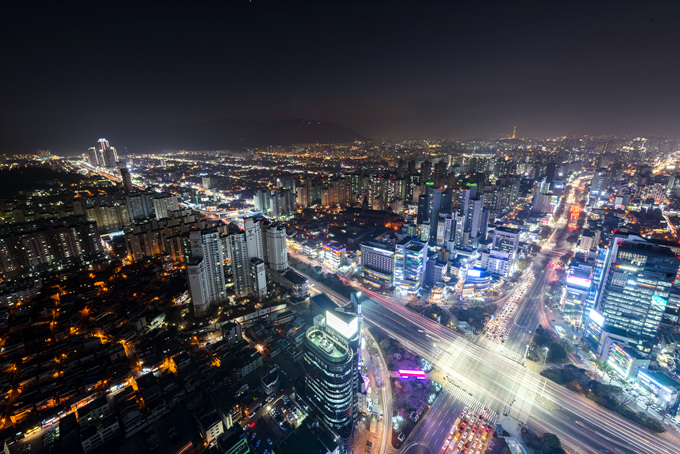
Yangnyeongsi Korean Medicine Market
35.8787° N · 128.5956° E · Market
Yangnyeongsi Korean Medicine Market is the world's largest traditional Korean medicine market, where herbalists and practitioners source rare roots, ginseng, and dried botanicals. It is in Daegu, South Korea. Most visitors spend 1–2 hours here. The free Lokali audio guide runs 5 minutes.
✓ Verified August 2026 · how we write these guides
Visitor facts
| Time needed | 1–2 hours |
|---|---|
| Lokali audio guide | 5 min · free |
| Type | Market |
| Best for | Local life |
| Location | Daegu, South Korea |
| Coordinates | 35.8787, 128.5956 |
| Languages | 45, in the Lokali app |
The story
Breathe in. The air here is unlike anywhere else in the city. It smells of dried roots and bark, of bitter herbs and sweet ones, of ginseng and licorice and a hundred things you cannot name. This is Yangnyeongsi, the herbal medicine market of Daegu. People have come here to heal for a very long time.
This is the oldest medicine market of its kind in Korea. It was established around 1658. That was the ninth year of the reign of King Hyojong, during the Joseon dynasty. The crown wanted a better way to gather healing herbs from across the country. So a market was created, and Daegu was chosen as its home.
In the beginning, the market did not run every day. It opened twice a year. Once in spring, once in autumn. Each time it lasted about a month. Traders gathered in the courtyard of a guest house near the north gate of the old Daegu fortress. They brought herbs from every province, carried by cart and on their backs, and buyers came from far away to choose among them. For a few weeks, this quiet courtyard became the center of healing for the whole country.
The market moved over the years. In 1908, the old fortress walls of Daegu were torn down. After that, the market shifted to the site where it stands today. It settled into the streets of the Jung-gu district, in the center of the city, and the trade carried on.
This market saw hard times. During the colonial period, it became more than a place of trade. It became a meeting point. People here helped raise money and pass messages for the independence movement. Because of this, the market faced pressure. It was forced to close in 1941. After the country was freed, it opened again. Then the Korean War came, and in 1950 it closed once more.
But it always returned. Today the trade is alive again. Sellers come from all over the country. On set days, every fifth day, the wholesale market fills with herbs in sacks and boxes and wide flat baskets. The roots and leaves are weighed, sorted, and sold, much as they have been for centuries.
At the heart of the district stands a museum. It tells the story of this place across three floors. Entry is free. Inside, you can learn how traditional Korean medicine works. You can see old tools and old books. There are hands-on areas for adults and for children. It is a living space, not a quiet hall of dusty objects.
On the ground floor of that same building, the herb trade still goes on. So the museum is not separate from the market. It sits inside it. Above, you learn the history. Below, that history continues in real time, with real sellers and real buyers.
Walk the streets slowly. Look at the shop fronts. Drawers and shelves rise from floor to ceiling, each one holding a different root or seed or dried flower. Sellers measure herbs on small scales and wrap them in paper. Some slice dried roots by hand with practiced care. The work is careful and quiet. Many of these shops have been run by the same families for generations, the knowledge passed from parent to child.
You do not need to buy anything to enjoy this place. Just walk, and breathe, and look. The smell alone will stay with you. It is the smell of an old idea. The idea that the right plant, prepared the right way, can help the body mend.
Each autumn the district holds a festival. The streets fill with displays and events that celebrate herbal medicine and its long story in this city. If your visit lines up with it, you will see the market at its liveliest. If not, the ordinary days have their own slow charm.
If you are curious, step into one of the shops and ask. Many sellers are glad to explain what a root is for, or to hold one out for you to smell up close. You may not follow every word, but the kindness comes through. This is a place where knowledge is shared, not hidden, and where a stranger is met with patience.
Stand a moment among the drawers and baskets. Think of all the people who came here in pain or worry, hoping to feel well again. For more than three hundred years, this corner of Daegu has answered that hope. The herbs change hands. The hope stays the same.
Key facts
What to look for
Practical tips
Common questions
How long do you need at Yangnyeongsi Korean Medicine Market?
Plan 1–2 hours. That is the time most visitors spend at Yangnyeongsi Korean Medicine Market. The free Lokali audio guide adds about 5 minutes of narration you can listen to as you walk, so it fits inside your visit rather than adding to it.
Is there a free audio guide to Yangnyeongsi Korean Medicine Market?
Yes — the Lokali app narrates Yangnyeongsi Korean Medicine Market free of charge in 50+ languages. It covers the history, what to look for on site and practical tips, and it works offline once downloaded.
Where is Yangnyeongsi Korean Medicine Market?
Yangnyeongsi Korean Medicine Market is in Daegu, South Korea, at 35.8787, 128.5956. Tap the map link on this page for directions from where you are.
What should you know before visiting Yangnyeongsi Korean Medicine Market?
Enter the museum, which is free to visit.
What is Yangnyeongsi Korean Medicine Market known for?
Established around 1658 under King Hyojong of Joseon.
What is the best time to visit Yangnyeongsi Korean Medicine Market?
The market's upper floors house small apothecaries where you can watch pharmacists prepare custom herbal remedies.
On the map
Opens directions to Yangnyeongsi Korean Medicine Market from your location.
Reference
More to see in Daegu


Hear Yangnyeongsi Korean Medicine Market in your language
The full story, narrated, in 50+ languages. Download it before you go and it plays offline, at your own pace, with no ticket and no tour group.