
Bangladesh National Museum
23.7375° N · 90.3941° E · Museum
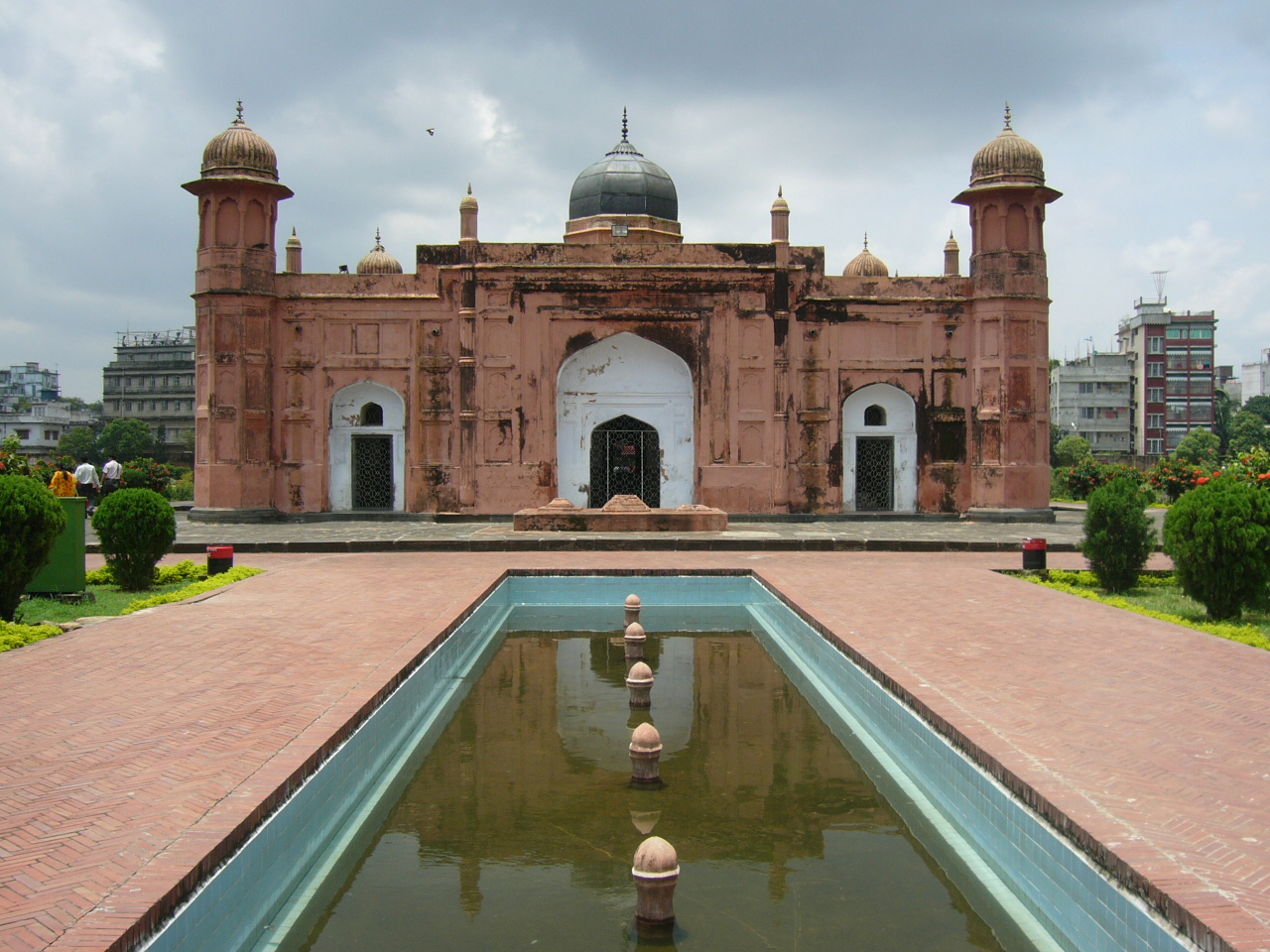
Photo: Babul abdul malek · CC BY-SA 4.0 · Wikimedia Commons
Bangladesh National Museum is a national museum of Bangladesh. The original Dhaka Museum was inaugurated in 1913. The free Lokali audio guide runs 7 minutes.
✓ Published October 2026 · how we write these guides
Visitor facts
| Lokali audio guide | 7 min · free |
|---|---|
| Type | Museum |
| Location | Dhaka, Bangladesh |
| Coordinates | 23.7375, 90.3941 |
| Official website | bangladeshmuseum.gov.bd |
| Languages | 50+, in the Lokali app |
The story
Step in from the Shahbag road, and the noise of Dhaka begins to fall away. Behind you are rickshaw bells, bus horns and the calls of flower sellers. Ahead, the air turns cooler and the light turns softer. Your footsteps change too. Hard pavement gives way to smooth stone floors that carry every sound a little further. This is the Bangladesh National Museum, the largest museum in the country. For the next while, let's walk through it together.
First, a word about where you are standing. Shahbag is one of the most important crossroads in Dhaka. Dhaka University and its tree-lined campus are close by. So is the Faculty of Fine Arts, where generations of the country's painters have trained. The wide green space of Suhrawardy Udyan is also near. This corner of the city has seen celebrations, protests and public gatherings for decades. The museum sits right in the middle of that civic life.
The story of the collection begins long before this building. In 1913, under British rule, a small museum opened in Dhaka. It was inaugurated by the Governor of Bengal, Lord Carmichael. That early Dhaka Museum started modestly, with a limited collection in borrowed rooms. Over the following decades it grew, piece by piece, as scholars and donors brought in sculpture, coins and manuscripts from across the region.
Then history moved quickly. In 1947, British rule ended and Bengal was divided. In 1971, after a war of independence, Bangladesh became a nation. A new country needed a museum that told its own story. In the early 1980s, the old Dhaka Museum became the Bangladesh National Museum. Around the same time, the collection moved into this large purpose-built home at Shahbag. The modern building is several storeys tall and contains more than forty galleries.
Here is the first thing many visitors miss. This is not only a history museum. It is several museums under one roof. There are galleries for archaeology and sculpture. There are rooms for coins, textiles and weapons. There are galleries for modern art. There is even a natural history section with plants, animals and rocks from across the country. So pace yourself. It is better to see a few galleries slowly than all of them in a rush.
The ancient sculpture galleries are a good place to begin. For many centuries, Bengal was home to Hindu and Buddhist kingdoms. Their temples and monasteries were filled with carved images. Many of the figures here are cut from dark, fine-grained stone. Look at how polished some surfaces are, and how sharp the details remain. You will see gods, goddesses, the Buddha and many attendant figures. Each one was made to be seen in a sacred space, not in a glass case.
Now notice the terracotta. Bengal is a land of rivers and river clay, and good building stone is scarce here. So for centuries, craftsmen worked in baked clay. Terracotta plaques once covered the walls of temples and monasteries. They show dancers, musicians, animals and scenes from daily life. Lean in close. Some of these small panels feel surprisingly lively, almost like a comic strip from more than a thousand years ago.
The Islamic period left its mark here too. From the medieval centuries onward, sultans and later Mughal governors ruled Bengal. Dhaka itself rose as an important Mughal city in the seventeenth century. In these galleries you can look for Arabic and Persian inscriptions carved in stone. You can also look for coins, manuscripts and decorative arms. The flowing lines of the calligraphy are worth a long look, even if you cannot read the script.
Here is the second surprise. Dhaka was once famous across the world for its cloth. Dhaka muslin was a cotton fabric so fine and light that it became legendary. Traders carried it far beyond Bengal. Locals still repeat old tales about a whole length of muslin passing through a finger ring. Treat that as folklore, not measurement. But the reputation of the cloth was real. In the textile galleries, look for these delicate fabrics and for jamdani, a woven cloth with patterns that seem to float on the surface.
Near the textiles, look for nakshi kantha. These are quilts made from layers of old saris, stitched together by hand. For generations, rural women in Bengal made them for their families. The running stitches form flowers, fish, boats, birds and village scenes. Every kantha is different. Each one carries the patience of many evenings of work. Many visitors find these quilts more moving than the gold and the swords.
The modern art galleries bring you into the twentieth century. The museum holds works by Zainul Abedin, often called the founding figure of modern art in Bangladesh. He is especially remembered for his drawings of the Bengal famine of the 1940s. Those works are stark and direct, often in black ink. Other artists followed him and developed their own styles. Walk slowly here. The mood shifts from sacred images to the hopes and pain of ordinary people.
The galleries about the birth of the nation are the most personal for many Bangladeshi visitors. They cover the Language Movement of 1952, when students died defending the right to speak Bengali. They also cover the Liberation War of 1971. Here you will find photographs, documents and personal objects. Watch the families around you. Parents often stop and explain these rooms quietly to their children. For many people, this part of the museum is about memory, not only history.
Before you leave, take a moment in one of the quieter corridors. Listen to the soft echo of footsteps and the low voices of school groups. Notice the wide range of what you have seen today. There were stone gods and clay dancers. There were fine muslin, hand-stitched quilts and wartime letters. All of them belong to the same land of rivers, and to the people who kept making things through every change of ruler.
When you walk back out to Shahbag, the heat and the horns will return at once. Look again at the street. Look at the rickshaw paintings, the flower stalls and the students heading toward the university. Many of the patterns, colours and crafts you saw inside are still alive out here. The museum keeps the old objects safe. The city outside keeps the traditions moving. Take your time on the way out.
Key facts
What to look for
Practical tips
Common questions
Is there a free audio guide to Bangladesh National Museum?
Yes — the Lokali app narrates Bangladesh National Museum free of charge in 50+ languages. The guide runs about 7 minutes, covers the history, what to look for on site and practical tips, and works offline once downloaded.
Where is Bangladesh National Museum?
Bangladesh National Museum is near Dhaka, Bangladesh, at 23.7375, 90.3941. Tap the map link on this page for directions from where you are.
What is Bangladesh National Museum known for?
The original Dhaka Museum was inaugurated in 1913. It became the national museum in the early 1980s.
What should you look for at Bangladesh National Museum?
Polished dark stone sculptures with crisp carved details. Terracotta plaques showing dancers, animals and musicians. Running-stitch flowers and fish on nakshi kantha quilts.
What should you know before visiting Bangladesh National Museum?
Choose three or four galleries rather than rushing all of them. Check the rules on cameras and bags at the entrance.
When is the best time to visit Bangladesh National Museum?
Visit early in the day to avoid school group crowds.
On the map
Opens directions to Bangladesh National Museum from your location.
More to see in Dhaka



Hear Bangladesh National Museum in your language
The full story, narrated, in 50+ languages. Download it before you go and it plays offline, at your own pace, with no ticket and no tour group.