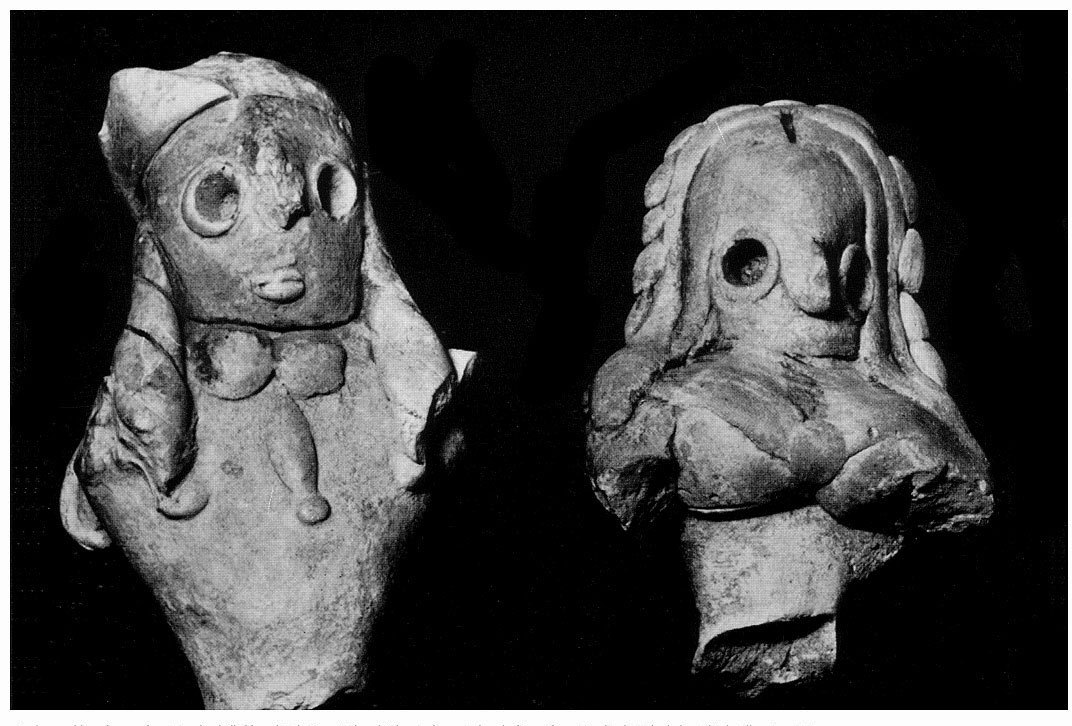
Photo: 1951-58 Casal, DAFA - excavations: http://www.dafa.org.af/ · Public domain · Wikimedia Commons
Mundigak is an archaeological site in Kandahar province in Afghanistan. Bronze Age settlement dating back to the fourth millennium BCE. The free Lokali audio guide runs 7 minutes.
✓ Published October 2026 · how we write these guides
Visitor facts
| Lokali audio guide | 7 min · free |
|---|---|
| Type | Archaeological Site |
| Location | Kandahar, Afghanistan |
| Coordinates | 31.6500, 65.2500 |
| Languages | 50+, in the Lokali app |
The story
Listen first. Out here, the wind is often the loudest thing. It moves across the dry valley floor, lifts a little dust, and settles it again against the slopes of low mounds. Under your feet, the ground is pale and crumbly. It is part soil, part something older. Much of what you are walking on is mudbrick that melted back into earth thousands of years ago.
This is Mundigak, an archaeological site northwest of the city of Kandahar. At first glance it may look like nothing more than a group of weathered hills. But these hills are not natural. They are layers of human life, stacked one on top of another. People built here, lived here, rebuilt here, and slowly raised the ground level over many centuries.
The story of the site reaches back into the Bronze Age. Archaeologists place its earliest settlement somewhere around the fourth millennium before the Common Era. From there, occupation continued for a very long time, into the second millennium. That means people were farming and building in this valley long before the cities of classical Greece existed. For much of that time, Mundigak was among the most important settlements in this part of the world.
Most of what we know comes from a French archaeological mission in the 1950s. The work was led by the archaeologist Jean-Marie Casal. His team cut carefully into the mounds and recorded what they found, layer by layer. They divided the site's long life into a sequence of numbered periods. Each period showed changes in houses, pottery, and the scale of the town. Their published reports are still the main source for anyone who studies this place today.
Here is something most visitors miss. Mundigak began as a modest village, perhaps little more than a seasonal camp. Over generations, it grew into a real town. Excavators found evidence of planned buildings, defensive walls, and larger public structures. In other words, you are standing at a place where people moved from simple farming life toward something we would recognise as urban life. That shift is one of the great turning points of human history. And it happened here, quietly, in mudbrick.
The building material matters. Mudbrick is made from local earth, mixed with water and often with straw, then shaped and dried in the sun. It is cheap, cool in summer, and warm in winter. But it does not last forever. Rain softens it. Wind wears it down. When a house was abandoned, its walls slumped into a heap. The next generation simply levelled the ruins and built on top. That is why the mounds rise above the plain.
On the higher ground, Casal's team uncovered a large building that they called a palace. Its outer face had a striking design. The wall was lined with a long row of half-columns, or pilasters, set close together. Think of a wall with a rhythm of vertical ribs running along it. Nobody can be completely sure who used this building or how. The word palace is the excavators' interpretation. Still, it clearly marked a place of power and importance.
Nearby, the team also identified a structure they described as a temple. Again, that label is an educated guess, not a certainty. What is clear is that these monumental buildings stood apart from ordinary houses. Someone organised the labour to build them. Someone decided what they should look like. That level of planning tells us a great deal about how society here had changed over time.
Now for a second surprise. Mundigak was not isolated. The pottery and objects found here show links across a wide region. Some designs resemble finds from sites in eastern Iran, such as the Bronze Age city of Shahr-i Sokhta, near the Helmand basin. Other features connect with the early cultures of the Indus Valley, in what is now Pakistan. Mundigak sat at a crossroads. Ideas, goods, and perhaps people moved through this valley between east and west.
The small finds are some of the most personal. Excavators recovered painted pottery with bold geometric patterns and images of animals. There were clay figurines too, including humped cattle, the kind still common across South Asia today. There were small female figures that many scholars link to fertility or household belief. Perhaps the most famous object is a carved limestone head of a man, wearing a band around his hair. His calm face is one of the earliest sculpted portraits from this whole region.
Most of these objects are no longer here. They were taken to museum collections after the excavations. Sadly, the site itself has suffered in recent decades. Conflict, neglect, and illegal digging by looters have damaged parts of the mounds. If you notice holes or disturbed patches of earth as you walk, that may be the reason. It is a reminder that places like this are fragile, and that what remains deserves care.
Take a moment to look at the landscape around you. The valley is dry for much of the year, yet it once supported fields, herds, and a growing town. Water must have been managed carefully. People here learned to read the seasons, the soil, and the movement of streams. The same skills still shape farming life in this province. In that sense, the distance between the Bronze Age and today is not as wide as it seems.
If you climb to a higher point, turn slowly in a full circle. Notice how the mounds rise and fall like gentle waves. Each slope holds hidden walls, floors, and hearths. Each layer belongs to a different generation, with its own worries and hopes. You cannot see them. But you can feel the depth beneath you.
As you walk away, look down once more at the pale ground. That dust was once a doorway, a kitchen floor, the corner of a busy street. People stood where you stand, felt the same wind, and watched the same light fall across the valley. Mundigak asks for nothing. It simply waits, and lets you listen.
Key facts
What to look for
Practical tips
Common questions
Is there a free audio guide to Mundigak?
Yes — the Lokali app narrates Mundigak free of charge in 50+ languages. The guide runs about 7 minutes, covers the history, what to look for on site and practical tips, and works offline once downloaded.
Where is Mundigak?
Mundigak is in Kandahar, Afghanistan, at 31.6500, 65.2500. Tap the map link on this page for directions from where you are.
What is Mundigak known for?
Bronze Age settlement dating back to the fourth millennium BCE. Excavated by a French mission in the 1950s.
What should you look for at Mundigak?
Mounds rising above the plain, built from collapsed mudbrick. Pale crumbly soil mixed with traces of ancient brick. Small painted pottery shards scattered on the surface.
What should you know before visiting Mundigak?
Check current security advice before planning any visit. Travel with a trusted local guide who knows the area.
When is the best time to visit Mundigak?
Visit early in the morning to avoid the strongest heat.
On the map
Opens directions to Mundigak from your location.
More to see in Kandahar

Hear Mundigak in your language
The full story, narrated, in 50+ languages. Download it before you go and it plays offline, at your own pace, with no ticket and no tour group.