
Church of Saint Francis, Kochi
9.9659° N · 76.2411° E · Church
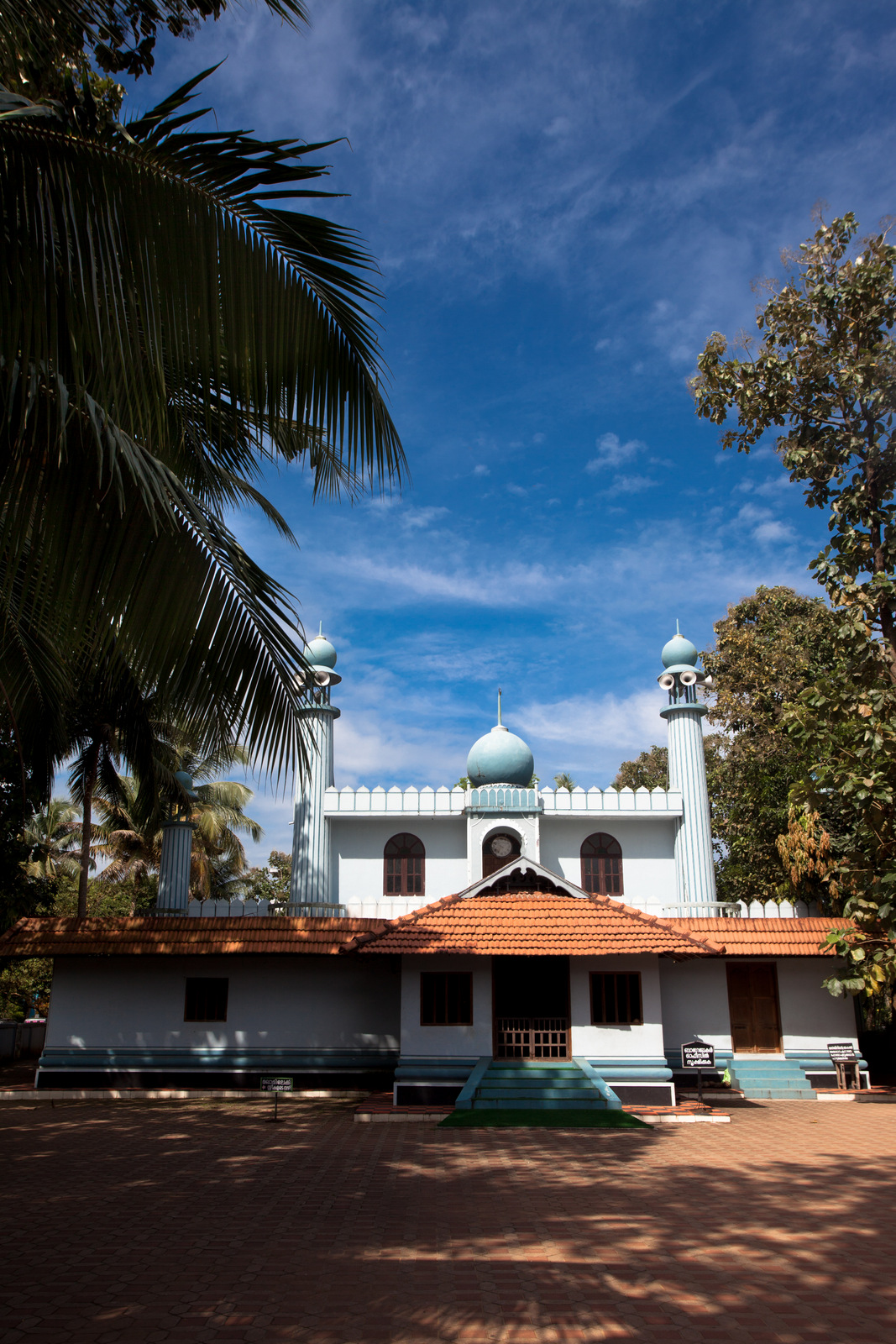
Photo: Ranjith Siji · CC BY-SA 4.0 · Wikimedia Commons
Church of Saint Francis, Kochi is a church in Kerala. One of the oldest European-built churches in India. The free Lokali audio guide runs 6 minutes.
✓ Published October 2026 · how we write these guides
Visitor facts
| Lokali audio guide | 6 min · free |
|---|---|
| Type | Church |
| Location | Kochi, India |
| Coordinates | 9.9659, 76.2411 |
| Languages | 50+, in the Lokali app |
The story
Step out of the afternoon heat and into the nave. The air is cooler here, and quieter. Your footsteps land on smooth stone, and the sounds of Fort Kochi fade to a soft murmur outside: a scooter horn, a crow, the creak of a bicycle. Look up and you will see long strips of cloth hanging from the ceiling. Hold on to that image. We will come back to it, because it is one of the quiet surprises of this place.
You are standing in the Church of Saint Francis. It is widely regarded as one of the oldest churches built by Europeans anywhere in India. Its story begins in the early sixteenth century, soon after Portuguese ships reached this coast in search of pepper and other spices. The first church on this site is usually dated to 1503. It was a simple structure of wood and local materials, raised inside a small Portuguese fort that stood close to the waterfront.
That first wooden church did not last long in its original form. In the years that followed, the Portuguese rebuilt it in stone. The building you see today grew from that stone church, with changes made over the centuries. The walls are thick and plain. The windows are set high. This is not the grand Baroque style that the Portuguese later used in Goa, with its gilded altars and carved saints. It is something more modest, almost austere.
Now for the name most visitors come here to find. Vasco da Gama was the Portuguese navigator who first reached India by sea from Europe, sailing around the southern tip of Africa. He came back to this coast several times. On his final voyage, he arrived as viceroy of Portuguese India. He fell ill in Kochi and died here on Christmas Eve in 1524. He was buried inside this church.
Here is the first surprise. Da Gama is no longer here. Around 1539, his remains were taken back to Portugal. Today he rests in Lisbon, in the great monastery at Belém, on the bank of the Tagus River. What stays behind in Kochi is the memory of his burial. Inside the church, on the floor near the south side, you can find the gravestone that marks where he once lay. It sits behind a low railing.
Stand there for a moment. It is a strange feeling. Here is the spot connected to a man whose voyage changed the shape of world trade, and in the end it is only an empty grave. Some visitors expect a grand tomb. Instead, they find a plain stone slab in a quiet corner of a small church. For many people, that simplicity makes the place more honest, and more moving.
The church changed hands as empires rose and fell. In 1663, the Dutch East India Company captured Kochi from the Portuguese. The Dutch were Protestants, and they turned the Catholic church into a Protestant one. Many Catholic buildings in the town did not survive Dutch rule, but this church did. Look along the walls and the floor. You will see old memorial stones from this Dutch period, carved with names, dates and coats of arms.
The front of the building also carries a clear trace of this history. Step outside later and look at the facade from the lawn. Its outline rises in a series of curves and steps to a peak. Many visitors notice that this shape feels closer to northern Europe than to southern India. It is a quiet reminder that several European powers left their mark on this one small building.
In the late eighteenth century, the British took control of Kochi from the Dutch. The church became Anglican, part of the Church of England. During this time it was dedicated to Saint Francis, the name it still carries. After Indian independence, the church joined the Church of South India. This is a union of several Protestant churches that came together in the years after 1947. The building is still a working place of worship today.
Now, those cloth strips above your head. They are punkahs, large hand-pulled fans. In the days before electricity, ropes ran from these fans through small openings in the walls. Outside sat a servant called a punkawallah, who pulled the rope back and forth. The cloth swung slowly over the congregation and moved the heavy tropical air. Look for the holes in the walls where the ropes once passed. It is a small detail that most visitors walk straight past.
Take a moment to notice the light. It comes in from the high windows and falls in soft bands across the pews and floor. Whitewashed walls reflect it, so the interior feels bright without ever feeling harsh. On a rainy monsoon day, the light turns grey and the sound of rain on the roof fills the whole space. On a clear day, you may hear birds in the trees just beyond the doors.
When you step back outside, look around the neighbourhood. This is Fort Kochi, a district of narrow lanes, old trading houses and wide rain trees. The parade ground is close by. A short walk takes you toward the shoreline, where the large Chinese fishing nets rise and fall against the sky. Portuguese, Dutch, British, Jewish, Arab and Indian traders all passed through these streets. The church is one fixed point in that long story of movement.
Before you leave, stand once more near the doorway and look back down the nave. See the plain walls, the swinging cloth fans, the old stones set into the floor. More than five centuries of prayer have happened in this room, in Latin, in Dutch, in English and in Malayalam, the language of Kerala. As you walk out into the warm air, listen for the town around you. The church is quiet, but the life of Kochi keeps moving just outside its walls.
Key facts
What to look for
Practical tips
Common questions
Is there a free audio guide to Church of Saint Francis, Kochi?
Yes — the Lokali app narrates Church of Saint Francis, Kochi free of charge in 50+ languages. The guide runs about 6 minutes, covers the history, what to look for on site and practical tips, and works offline once downloaded.
Where is Church of Saint Francis, Kochi?
Church of Saint Francis, Kochi is in Kochi, India, at 9.9659, 76.2411. Tap the map link on this page for directions from where you are.
What is Church of Saint Francis, Kochi known for?
One of the oldest European-built churches in India. Vasco da Gama died in Kochi in 1524.
What should you look for at Church of Saint Francis, Kochi?
Vasco da Gama's original gravestone behind a low railing. Cloth punkah fans hanging from the ceiling. Small wall openings where punkah ropes once passed.
What should you know before visiting Church of Saint Francis, Kochi?
Dress modestly with shoulders and knees covered. Remove hats and keep your voice low inside.
When is the best time to visit Church of Saint Francis, Kochi?
Come in the morning before the strongest midday heat.
On the map
Opens directions to Church of Saint Francis, Kochi from your location.
More to see in Kochi


Hear Church of Saint Francis, Kochi in your language
The full story, narrated, in 50+ languages. Download it before you go and it plays offline, at your own pace, with no ticket and no tour group.