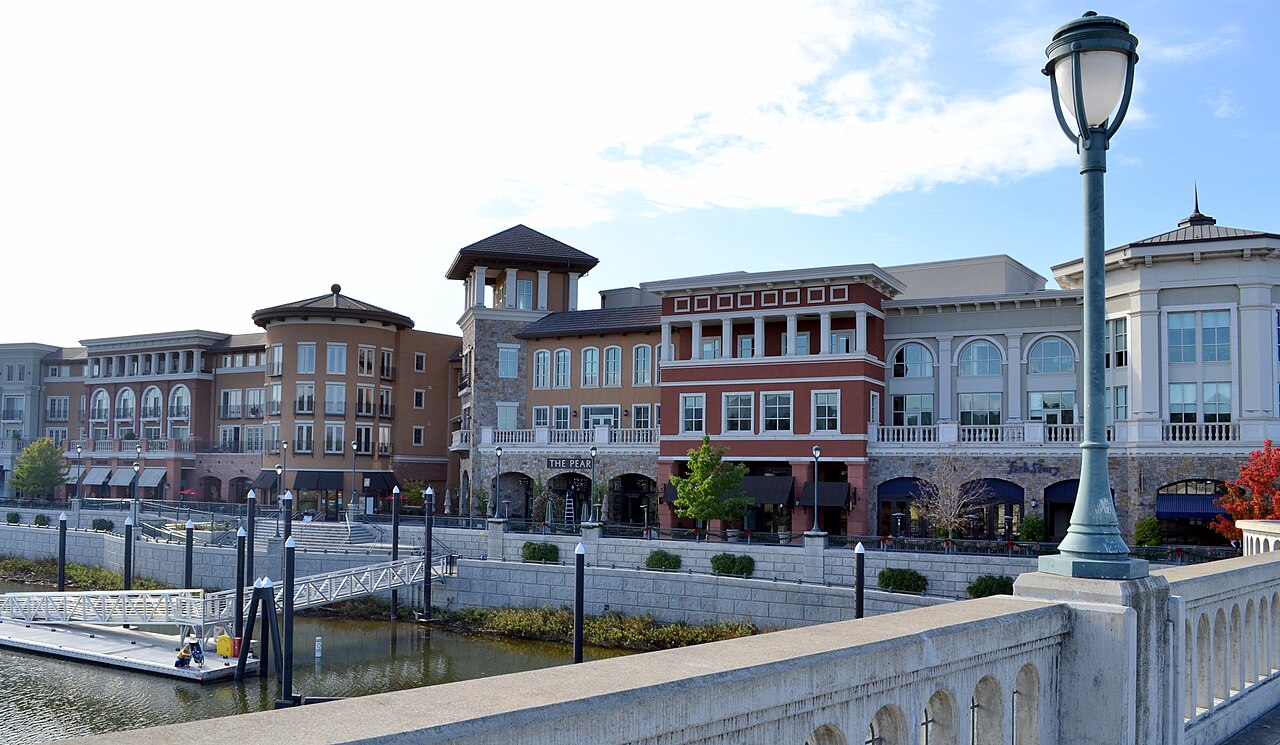
Downtown Napa is the revitalized historic core along First Street and Main Street features Victorian and early-20th-century buildings now housing tasting rooms, galleries, restaurants, and shops. It is in Napa, United States. Most visitors spend 1–3 hours here. The free Lokali audio guide runs 5 minutes.
✓ Verified August 2026 · how we write these guides
Visitor facts
| Time needed | 1–3 hours |
|---|---|
| Lokali audio guide | 5 min · free |
| Type | Neighborhood |
| Best for | Editors' pick |
| Location | Napa, United States |
| Coordinates | 38.2975, -122.2879 |
| Languages | 45, in the Lokali app |
The story
Stand on the First Street bridge and look down at the slow green water. Gulls drift over the rooflines. Coffee and wine share the same air. Downtown Napa is a river town first, a wine town second, and it wears both lives at once.
The town began with the river. In 1847, a settler named Nathan Coombs surveyed the plot and laid out the first streets beside the water. California's Gold Rush arrived two years later. Miners heading for the hills needed food, timber, and cattle, and Napa supplied all three.
For decades, the river was the highway. Steamboats worked their way up from San Francisco Bay and tied up at wharves along Main Street. They left loaded with wheat, leather, and later wine. The town grew a proud Victorian face: banks, hotels, an opera house, and merchant blocks in brick and stone.
Some of those buildings still stand. The Napa Valley Opera House opened on Main Street in 1880, an Italianate hall where touring performers played to farm families. The Goodman Library, a stone gift from banker George Goodman, followed in 1901. Down by the river, the brick Hatt Building has anchored the waterfront since 1884; today it forms the heart of the Napa Mill complex.
The twentieth century treated downtown roughly. Highways pulled traffic away from Main Street. Shops closed or moved to malls. And again and again, the river that built the town tried to drown it. Floods swamped downtown dozens of times, and the flood of February 1986 was the worst in living memory.
Napa answered with a bold plan. In 1998 voters taxed themselves to fund a new kind of flood project. Instead of walling off the river, the city gave it room to move: terraced banks, restored marshes, and a bypass channel across the oxbow bend. The riverfront promenade you walk today is flood control disguised as a park.
The ground itself tested the town too. Just before dawn on August 24, 2014, a magnitude 6.0 earthquake struck south of the city. Brick facades cracked and fell. The 1878 courthouse was badly damaged. Downtown spent years in scaffolding, and the repairs quietly made the old buildings stronger than they had ever been.
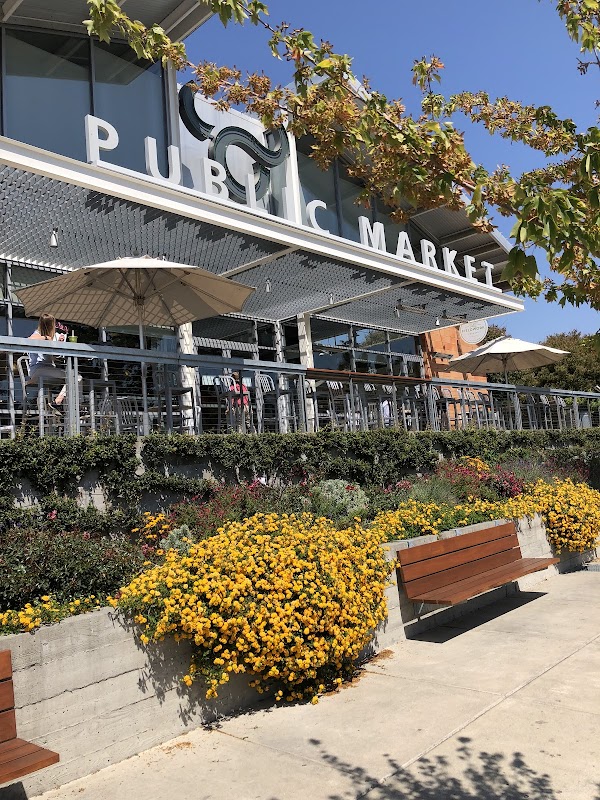
Meanwhile, the town found a new engine. For most of the twentieth century, wine tourists sped past Napa city toward the famous vineyards up-valley. That changed in the 2000s. Tasting rooms moved into the old storefronts. Restaurants followed. The Oxbow Public Market opened across the river in 2007, and suddenly downtown was a destination of its own.
The tasting rooms deserve a word. More than a dozen wineries pour within the downtown blocks, so you can taste across the valley without driving it. Collective spaces mix small producers under one roof. For visitors, it is the easiest introduction to Napa wine; for small wineries, it is a storefront they could never afford up-valley.
Today the core is easy to walk. First Street runs the spine, lined with tasting rooms, boutiques, and cafes. Main Street follows the river past the old commercial blocks. Veterans Memorial Park opens to the water where the steamboats once landed. Nothing is more than a few unhurried blocks from anything else. Mornings feel different, softer. Fog slides off the river and hangs in the side streets. Joggers cross the Third Street bridge. Bakeries open early, and the smell of bread drifts between Victorian houses west of the center, where whole blocks survived every disaster the decades threw at them.
Evenings belong to music and food. The art deco Uptown Theatre, open since 1937, pulls touring acts to its neon-lit hall on Third Street. The Opera House stage hosts shows again. Restaurants spill light onto the sidewalks, and the river runs dark and quiet behind it all.
Save time for the south end of Main Street. The Historic Napa Mill fills its old warehouses with an inn, restaurants, and a bakery, and its brick passageways still smell faintly of another century. Beside it, the riverwalk continues under the trees, past old pilings where cargo once swung ashore.
Downtown Napa has been flooded, shaken, bypassed, and rebuilt. Each time, it kept its bones: the grid Coombs drew in 1847, the brick and stone of the steamboat years, the river at its heart. Find a bench by the water at dusk. The current moves the way it always has. Towns endure the way rivers do, by bending and carrying on.
Key facts
What to look for
Practical tips
Common questions
How long do you need at Downtown Napa?
Plan 1–3 hours. That is the time most visitors spend at Downtown Napa. The free Lokali audio guide adds about 5 minutes of narration you can listen to as you walk, so it fits inside your visit rather than adding to it.
Is there a free audio guide to Downtown Napa?
Yes — the Lokali app narrates Downtown Napa free of charge in 50+ languages. It covers the history, what to look for on site and practical tips, and it works offline once downloaded.
Where is Downtown Napa?
Downtown Napa is in Napa, United States, at 38.2975, -122.2879. Tap the map link on this page for directions from where you are.
What should you know before visiting Downtown Napa?
Pick up walking maps at the downtown welcome center.
What is Downtown Napa known for?
Nathan Coombs laid out the town in 1847.
What is the best time to visit Downtown Napa?
Walk the east side of First Street for better light and quieter galleries.
On the map
Opens directions to Downtown Napa from your location.
More to see in Napa


Hear Downtown Napa in your language
The full story, narrated, in 50+ languages. Download it before you go and it plays offline, at your own pace, with no ticket and no tour group.