
Napa Valley Wine Train
38.2980° N · 122.2868° W · Scenic Railway
Napa Valley Wine Train is a restored vintage train that runs between Napa and St. It is in Napa, United States. Most visitors spend 4–5 hours here. The free Lokali audio guide runs 5 minutes.
✓ Verified August 2026 · how we write these guides
Visitor facts
| Time needed | 4–5 hours |
|---|---|
| Lokali audio guide | 5 min · free |
| Type | Scenic Railway |
| Best for | Romantic |
| Location | Napa, United States |
| Coordinates | 38.2980, -122.2868 |
| Languages | 45, in the Lokali app |
The story
A whistle sounds across the rooftops of Napa. Steel wheels begin to turn. Glasses of local wine tremble slightly on white tablecloths. The Napa Valley Wine Train is leaving its little depot, the way trains have left this spot for more than 150 years. Its journey is short, but it carries a long story.
The story starts in 1864. A businessman named Samuel Brannan built a railroad up this valley. He wanted to carry city visitors to his new spa resort in Calistoga. Brannan was a showman and a promoter. His resort needed guests, and the riverboats were slow. So the Napa Valley Railroad laid its tracks through farmland and young vineyards. The year was busy with railroads everywhere in California.
Brannan lost his fortune not long after. The resort struggled, and the railroad passed to new owners. But the tracks stayed. In time the Southern Pacific absorbed the route, and for decades the valley's farm goods rode these rails to market.
The little railroad changed hands many times. For a century it hauled passengers, grapes, timber, and freight up and down the valley. Then cars and trucks took over. Passenger service faded away. By the 1980s the line faced abandonment, and the rails seemed destined for scrap.
A local food entrepreneur stepped in. Vincent DeDomenico had made his fortune inventing Rice-A-Roni, the boxed San Francisco dinner. In 1987 he led a group that bought the old rail line. His idea was simple. Keep the trains running, but make the journey itself the destination. Two years later, in September 1989, the first Wine Train rolled out of Napa.
The carriages are the heart of the experience. Most are Pullman coaches built between 1915 and 1917, in the great age of American rail travel. Craftsmen restored them with mahogany paneling, brass fittings, and etched glass. Velvet armchairs sit beside wide picture windows. One car is different: a Vista Dome from 1952, with a curved glass roof that opens the whole sky above your table.
The route runs north from downtown Napa through Yountville, Oakville, and Rutherford, then on to St. Helena. There the train pauses and returns. The full round trip covers 36 miles and takes about three hours. The pace stays slow and easy. Trains run year-round, in every season's light. Nobody is in a hurry here, and that is the point.
Outside the windows, the valley slides past like a slow film. Vineyard rows swing open and closed in long green fans. You pass stone wineries, dusty farm roads, and workers moving between the vines. Guides point out landmarks as they pass. In autumn the leaves burn red and gold. In winter, mustard flowers flood the bare rows with yellow.
Meals are cooked on board in narrow galley kitchens. Chefs work with Napa Valley ingredients and pair each course with local wines. Menus change with the harvest. Lunch and dinner services run through the seasons, along with tasting tours that stop at wineries along the line. The clatter of the kitchen mixes with the hum of the rails.
Along the way, watch for the small towns gliding past. Yountville appears with its stone buildings and famous restaurants. Rutherford brings some of the oldest vineyard land in the valley. St. Helena arrives in a screen of trees. On some journeys the train stops for winery visits; on others it simply turns for home.
The train was not always welcome. In its early years, some valley residents protested it. They feared crowds and noise in their small towns. The train kept rolling, and over time it settled into the landscape. Today it is one of the valley's best known attractions. Its dinner trains glow like moving lanterns in the dusk.
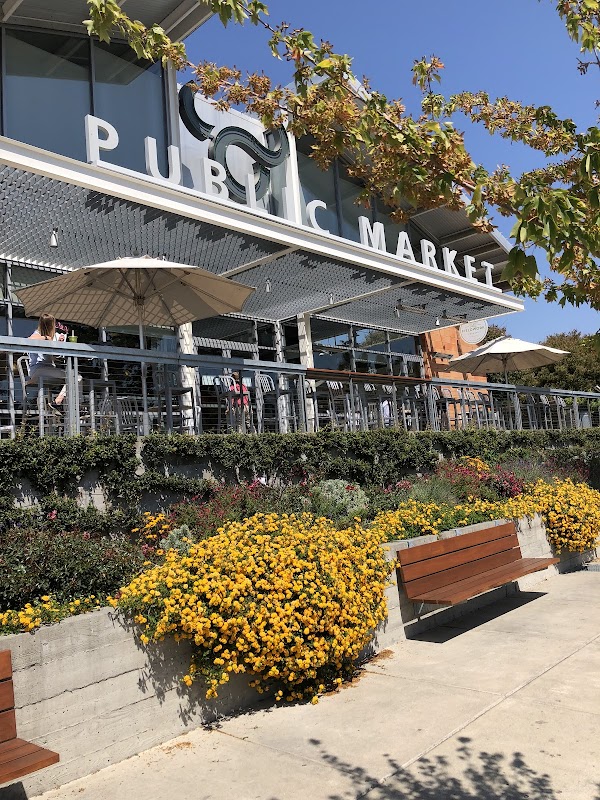
Journeys begin at a small station on McKinstry Street, near the Oxbow Public Market. Guests check in, sip a welcome pour, and watch the crew polish handrails. Then the horn sounds, the platform slides away, and downtown Napa gives way to open vineyard land. There is something old-fashioned about the whole affair, and the train leans into it. White tablecloths. Heavy silverware. Conversation instead of screens.
When the train eases back into Napa, the light is usually lower. The glasses are empty. The valley you crossed is the same one Brannan's guests crossed in 1864, wearing different clothes and different dreams. Rails hold their line while everything around them changes. Step down to the platform, and listen for one more breath of the engine before the evening takes over.
Key facts
What to look for
Practical tips
Common questions
How long do you need at Napa Valley Wine Train?
Plan 4–5 hours. That is the time most visitors spend at Napa Valley Wine Train. The free Lokali audio guide adds about 5 minutes of narration you can listen to as you walk, so it fits inside your visit rather than adding to it.
Is there a free audio guide to Napa Valley Wine Train?
Yes — the Lokali app narrates Napa Valley Wine Train free of charge in 50+ languages. It covers the history, what to look for on site and practical tips, and it works offline once downloaded.
Where is Napa Valley Wine Train?
Napa Valley Wine Train is in Napa, United States, at 38.2980, -122.2868. Tap the map link on this page for directions from where you are.
What should you know before visiting Napa Valley Wine Train?
Reserve tickets ahead; popular dates sell out quickly.
What is Napa Valley Wine Train known for?
Rail line built in 1864 for Samuel Brannan's Calistoga resort.
What is the best time to visit Napa Valley Wine Train?
Book the lunch service for better light and valley views.
On the map
Opens directions to Napa Valley Wine Train from your location.
Reference
More to see in Napa


Hear Napa Valley Wine Train in your language
The full story, narrated, in 50+ languages. Download it before you go and it plays offline, at your own pace, with no ticket and no tour group.