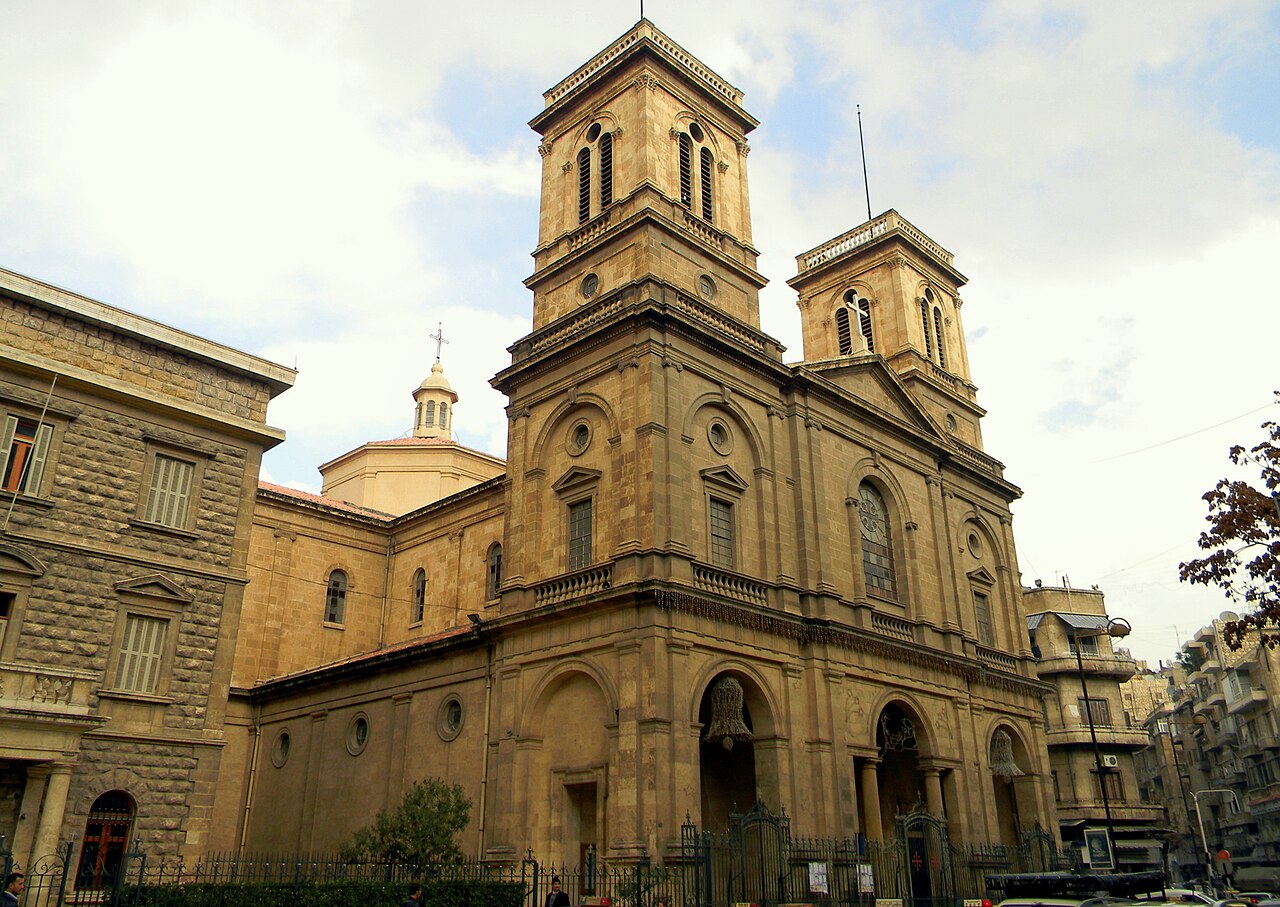
Church of Saint Francis of Assisi
20.3856° S · 43.5053° W · Church
Church of Saint Francis of Assisi is a church in Ouro Preto, Brazil. Baroque masterpiece from the 18th century, renowned for its ornate gilded interior and carved wooden altar. Most visitors spend 45–60 min here. The free Lokali audio guide runs 5 minutes.
✓ Verified August 2026 · how we write these guides
Visitor facts
| Time needed | 45–60 min |
|---|---|
| Lokali audio guide | 5 min · free |
| Type | Church |
| Best for | History |
| Location | Ouro Preto, Brazil |
| Coordinates | -20.3856, -43.5053 |
| Languages | 45, in the Lokali app |
The story
Stand in the open square known as Largo de Coimbra and look up. The church rises in two soft curves of pale stone. A round tower stands on each side. The outer walls are washed plain white, smooth and almost bare. Around the doorway, the carved stone glows a warm grey-brown in the sunlight. The air here is thin and cool, because this town sits high in the mountains of Minas Gerais, in the south-east of Brazil. Take a slow breath before you climb the steps.
This is the Church of Saint Francis of Assisi. Many people call it the finest building in Ouro Preto, and one of the great works of art in all of Brazil. Two men gave it its beauty. One carved the stone. The other painted the ceiling. Their names are worth holding in mind as you look around, because their hands are everywhere in this place, outside and in.
The carver was Antonio Francisco Lisboa. People knew him as Aleijadinho, a name that means the little cripple. Late in his life, a disease took the strength from his hands and feet. Even then he kept working, with his tools tied to his arms by his helpers. He drew the plan for this church and shaped its soft soapstone himself, year after patient year.
Look at the round carving set above the main door. It shows Saint Francis as he receives the wounds of Christ. Around that scene, Aleijadinho cut curling leaves, small angels, and a crown that seems to hang in the air. Soapstone is soft and grey when freshly cut, and it grows darker as the years pass. Let your eyes travel slowly across every edge, and notice how deep the carving goes.
Now walk inside. Give your eyes a moment to settle in the softer light. The room is long, plain, and calm, with little to crowd the senses. Then look up. The flat wooden ceiling opens into a painted sky. This is the work of the second man, Manuel da Costa Ataide, who was known across the whole region simply as Mestre Ataide.
His painting shows the Virgin Mary carried upward among clouds. Angels make music all around her. Look closely at their faces and their skin. Ataide gave many of them the features of local people, the mixed families of Minas Gerais. He ground his own colours from natural materials he found nearby. From the floor, the figures seem to drift and turn high above your head.
The altars are carved from wood and touched with gold. Notice how the gold is used with care here, not poured over every surface as in some older churches. That restraint belongs to the Rococo style. It came after the heavy early Baroque, and it favoured lighter shapes, curving lines, and open, breathing space. The effect is calm rather than crowded.
The church was begun in 1766. It was paid for and run by a lay brotherhood devoted to Saint Francis. These brotherhoods were groups of ordinary believers, not priests. They raised the money, hired the artists, set the rules, and took deep pride in the church they built together. Belonging to one was a mark of standing in the town.
Work went slowly, as it did all over this town. The money came from gold dug out of the surrounding hills by many hands. That gold rush is the reason so many large churches stand in a place this small. When the gold grew scarce, the building slowed, the crowds thinned, and the town settled into a long quiet.
Walk a little toward the altar, then turn and face the door again. From here you can watch how the daylight crosses the room through the hours, sliding over wood and gold. The space was shaped for sound as much as for sight. Voices, bells, and music would once have risen together into the painted heaven above you.
Spare a thought for Aleijadinho himself. For decades he worked on churches across this region, in both stone and wood, through pain and failing health. He lies buried in another church here in the same town, not far from where you stand. He did not sign his pieces the way artists do today, yet once you have seen his hand, you know it anywhere.
Step back out into the square. The two towers catch the last of the daylight. A carver and a painter gave their finest years to this one small building on a hill. Stand still for a moment before you move on. The mountains have not shifted, and neither has the work these men left behind for you to find.
Key facts
What to look for
Practical tips
Common questions
How long do you need at Church of Saint Francis of Assisi?
Plan 45–60 min. That is the time most visitors spend at Church of Saint Francis of Assisi. The free Lokali audio guide adds about 5 minutes of narration you can listen to as you walk, so it fits inside your visit rather than adding to it.
Is there a free audio guide to Church of Saint Francis of Assisi?
Yes — the Lokali app narrates Church of Saint Francis of Assisi free of charge in 50+ languages. It covers the history, what to look for on site and practical tips, and it works offline once downloaded.
Where is Church of Saint Francis of Assisi?
Church of Saint Francis of Assisi is in Ouro Preto, Brazil, at -20.3856, -43.5053. Tap the map link on this page for directions from where you are.
What should you know before visiting Church of Saint Francis of Assisi?
Visit in late afternoon for warm light outside.
What is Church of Saint Francis of Assisi known for?
Construction began in 1766 in Ouro Preto, Brazil.
What is the best time to visit Church of Saint Francis of Assisi?
Arrive early to see the gold leaf catch morning light.
On the map
Opens directions to Church of Saint Francis of Assisi from your location.
More to see in Ouro Preto


Hear Church of Saint Francis of Assisi in your language
The full story, narrated, in 50+ languages. Download it before you go and it plays offline, at your own pace, with no ticket and no tour group.