Tiradentes Square is a square in Ouro Preto, Brazil. Heart of Ouro Preto's colonial center, lined with 18th-century buildings in pastel hues. Most visitors spend 30–45 min here. The free Lokali audio guide runs 5 minutes.
✓ Verified August 2026 · how we write these guides
Visitor facts
| Time needed | 30–45 min |
|---|---|
| Lokali audio guide | 5 min · free |
| Type | Square |
| Best for | Photography |
| Location | Ouro Preto, Brazil |
| Coordinates | -20.3860, -43.5065 |
| Languages | 45, in the Lokali app |
The story
Climb to the open square at the heart of the old town and stand near its centre. The ground is paved in worn, uneven stone. Steep streets fall away on every side, lined with white houses and dark church towers. In the middle rises a tall pillar, and on top of it stands the bronze figure of a man with his arm raised. The wind here can be sharp and sudden, for the square sits high among the hills.
This is Tiradentes Square, the main gathering place of Ouro Preto. For centuries it has been the civic centre of the town. Markets, ceremonies, public announcements, festivals, and angry crowds have all filled this space in their turn. To begin to understand the town, it helps to start here, in the place where its public life has always turned. Pause for a while before you move, and let the whole shape of the place settle around you.
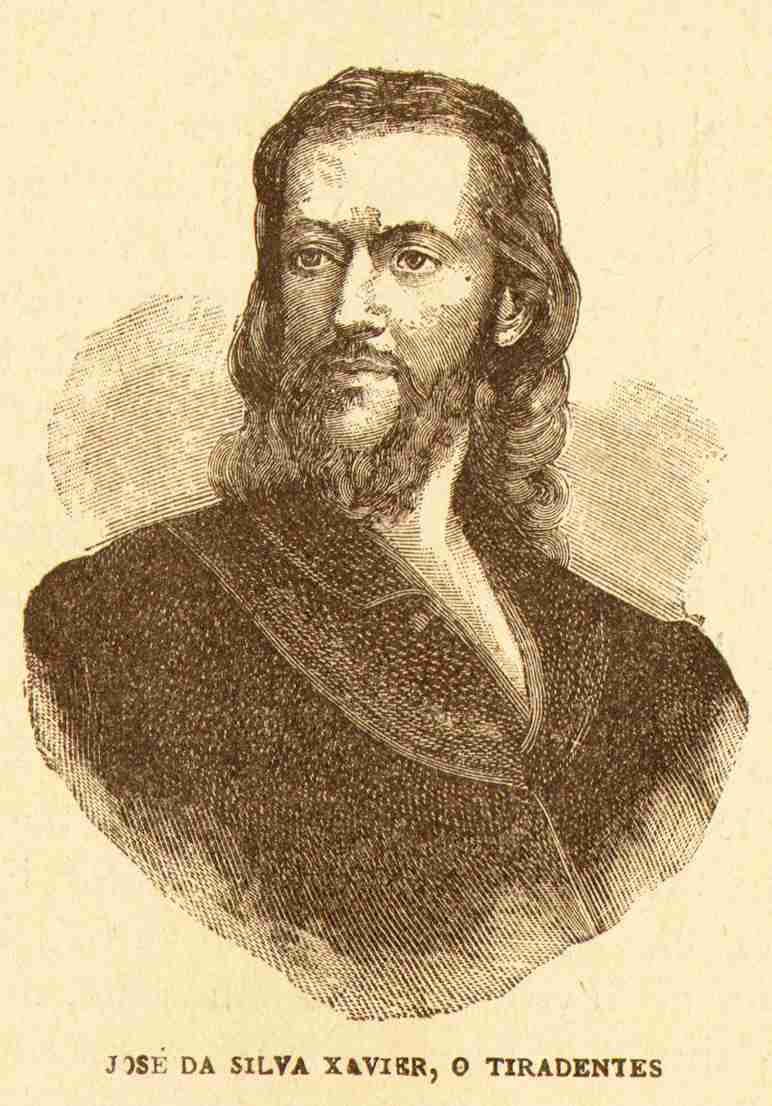
The square is named after Tiradentes, the very man on the column above you. His full name was Joaquim Jose da Silva Xavier. He pulled teeth for a living, and that humble work gave him his nickname, which means tooth-puller. Today, more than two hundred years after his death, he is remembered across all of Brazil as a martyr for freedom.
In 1789, he joined a group of local men who planned to break this region away from Portuguese rule and form a republic. The plan was discovered and crushed before it could begin. Of all the plotters, Tiradentes took the blame upon himself. He was hanged in 1792, and his body was cut into parts and displayed in public to frighten others away from rebellion.
There is a hard detail tied to this very square. After his death, his head was carried here and set on a tall post for all the town to see. The place that was meant to mark his shame now carries his honour instead. The bronze statue standing above you turns that old, cruel warning completely on its head.
Look around the edges of the square at the grand buildings that frame it. On one side stands the long former town hall and jail, which is now a museum of the conspiracy. Its clock tower is easy to pick out against the sky. Inside lie the records and relics of the men who once dreamed of a free republic here.
On another side stands a heavy, solid building that was once the palace of the governors. The rulers sent out from Portugal lived and worked here, looking down on the town they controlled. Power and protest faced each other across this same open ground, only a short walk apart, separated by little more than the width of the square.
That former palace later became a school of mining and a museum of stone and science. Its collection of minerals and rocks draws on the very wealth that first built the town. Gold and other riches were torn from these hills over many years, and the memory of that hard, hopeful trade still fills the quiet rooms there today.
The town itself was once called Vila Rica, which means rich town. The name was honest and plain. Gold flowed through here in such great amounts that it shaped the whole region and drew people from far away. For many years this was the capital of the province, until the seat of government finally moved away near the end of the nineteenth century.
Stand still now and turn slowly in a full circle. White walls, dark stone, carved doorways, and red roofs rise around you on every side. The square holds them all together like a stage holds its scenery. The shape you see today took form over many generations, as the town first grew rich and crowded, then slipped into quiet.
Watch the people who cross the square now, going about their day. Students pass through often, since the town is home to a well-known old university. Visitors stop to photograph the statue and the views. Local people simply cut across on their daily errands. The old centre still does the work it was first built to do.
Before you walk on, look up once more at the figure on the column. A man once shamed and broken in this very spot now stands high above it, cast in bronze. Memory can change its mind across the long years. Let that quiet thought stay with you as you turn and head down into the steep streets below.
Key facts
What to look for
Practical tips
Common questions
How long do you need at Tiradentes Square?
Plan 30–45 min. That is the time most visitors spend at Tiradentes Square. The free Lokali audio guide adds about 5 minutes of narration you can listen to as you walk, so it fits inside your visit rather than adding to it.
Is there a free audio guide to Tiradentes Square?
Yes — the Lokali app narrates Tiradentes Square free of charge in 50+ languages. It covers the history, what to look for on site and practical tips, and it works offline once downloaded.
Where is Tiradentes Square?
Tiradentes Square is in Ouro Preto, Brazil, at -20.3860, -43.5065. Tap the map link on this page for directions from where you are.
What should you know before visiting Tiradentes Square?
Start your walk through the town here.
What is Tiradentes Square known for?
Main civic square of Ouro Preto, Brazil.
What is the best time to visit Tiradentes Square?
Sit on the steps at sunset when the light turns the buildings gold and locals gather.
On the map
Opens directions to Tiradentes Square from your location.
More to see in Ouro Preto


Hear Tiradentes Square in your language
The full story, narrated, in 50+ languages. Download it before you go and it plays offline, at your own pace, with no ticket and no tour group.