Cascatinha Taunay Waterfall
22.9706° S · 43.3156° W · Waterfall
Cascatinha Taunay Waterfall is a 30-metre cascade tucked within the forest, fed by natural springs. It is in Rio de Janeiro, Brazil. Most visitors spend 1–2 hours here. The free Lokali audio guide runs 5 minutes.
✓ Verified August 2026 · how we write these guides
Visitor facts
| Time needed | 1–2 hours |
|---|---|
| Lokali audio guide | 5 min · free |
| Type | Waterfall |
| Best for | Local life |
| Location | Rio de Janeiro, Brazil |
| Coordinates | -22.9706, -43.3156 |
| Languages | 45, in the Lokali app |
The story
You hear the water before you see it. A steady rushing sound comes through the trees, growing louder as you approach. Then the path turns, and there it is: a tall ribbon of white water dropping down a dark rock face into a pool below. This is the Cascatinha Taunay, one of the first sights that greets visitors entering the Tijuca Forest.
The waterfall drops about thirty meters down a near-vertical wall of stone. The rock is dark and wet, streaked black and green where moss and water have run for a very long time. At the bottom the falling water gathers into a pool, then continues on as a stream through the forest. Spray drifts off the base and cools the air around you.
The falls sit close to one of the forest's main entrances, which makes this an easy first stop. You do not need to hike far to reach it. A short walk from the road brings you to a viewing spot where the whole drop is visible at once. Because it is so easy to reach, many people begin their visit to the forest right here.
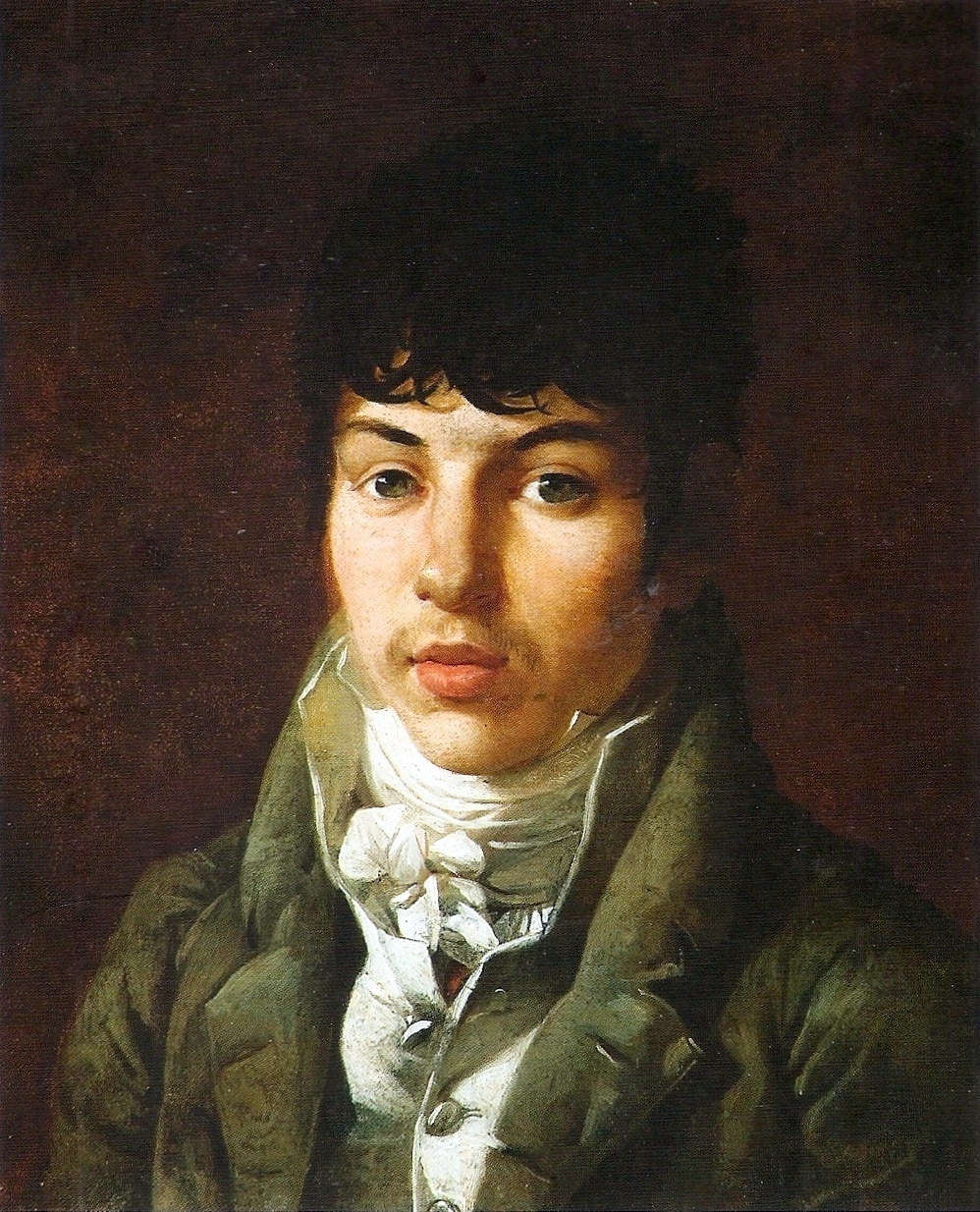
The name honors a French painter, Nicolas-Antoine Taunay. He was born in 1755 and came to Brazil in 1816 as part of a group of French artists invited to help found an academy of fine arts. Taunay settled near this waterfall and built a small home in the forest nearby. He painted the falls and the surrounding woods, and his name has stayed with the place ever since.
The group Taunay arrived with is remembered as the French Artistic Mission. These were painters, sculptors, and architects brought to Rio to shape its young cultural institutions. Taunay, already an established landscape painter in Europe, found in this forest a subject very different from the gardens and ruins of France. The wild water and dense green gave him new things to paint.
Watch the water for a moment. It does not fall in a single smooth sheet. It breaks against ledges in the rock, splitting and rejoining, throwing up mist where it strikes. The volume changes with the seasons. After heavy rain the falls run full and loud; in drier months the flow narrows to thinner strands. No two visits look quite the same.
The trees press close around the waterfall, and the air here stays cool and moist. Ferns grow from cracks in the rock. The constant spray feeds plants that could not survive in drier ground. This small wet world at the base of the falls is its own kind of garden, kept green year round by the water.
Like the rest of the Tijuca Forest, the land around these falls was once cleared for coffee. In the nineteenth century the cleared slopes were replanted by hand to protect the city's water supply. The stream that feeds this waterfall is part of that system. What looks like untouched wilderness is in fact a forest carefully restored, and the falling water is part of the reason it was saved.
This is a good place to slow down. Many visitors arrive in cars or vans, ready to rush deeper into the park, and treat the falls as a quick photograph. But the spot rewards a few quiet minutes. Sit on a nearby rock, feel the cool air, and listen. There are usually shaded spots nearby where you can pause out of the sun. The sound of falling water has a way of slowing the mind.
It is worth imagining the painter at his easel here, two hundred years ago, trying to capture this same water on canvas. The light shifting through the leaves, the white of the falls against the dark rock, the movement that a still painting can only suggest. The challenge he faced is the same one your camera faces today. Some things resist being held still.
From here most paths lead deeper into the forest, toward higher viewpoints, picnic areas, and longer trails. The waterfall is a beginning rather than a destination, the first note in a longer visit. But it is a fitting place to start, where the forest introduces itself through the voice of running water.
Before you walk on, look up once more at the top of the falls, where the water leaves the rock and begins its drop. It has been falling here far longer than the city has stood, far longer than the painter's name has marked the place. Names and visitors come and go. The water simply keeps falling.
Key facts
What to look for
Practical tips
Common questions
How long do you need at Cascatinha Taunay Waterfall?
Plan 1–2 hours. That is the time most visitors spend at Cascatinha Taunay Waterfall. The free Lokali audio guide adds about 5 minutes of narration you can listen to as you walk, so it fits inside your visit rather than adding to it.
Is there a free audio guide to Cascatinha Taunay Waterfall?
Yes — the Lokali app narrates Cascatinha Taunay Waterfall free of charge in 50+ languages. It covers the history, what to look for on site and practical tips, and it works offline once downloaded.
Where is Cascatinha Taunay Waterfall?
Cascatinha Taunay Waterfall is in Rio de Janeiro, Brazil, at -22.9706, -43.3156. Tap the map link on this page for directions from where you are.
What should you know before visiting Cascatinha Taunay Waterfall?
Stop here first when entering the forest.
What is Cascatinha Taunay Waterfall known for?
Waterfall drops about thirty meters down a rock face.
What is the best time to visit Cascatinha Taunay Waterfall?
The trail to the waterfall is moderate and shaded.
On the map
Opens directions to Cascatinha Taunay Waterfall from your location.
More to see in Rio de Janeiro


Hear Cascatinha Taunay Waterfall in your language
The full story, narrated, in 50+ languages. Download it before you go and it plays offline, at your own pace, with no ticket and no tour group.