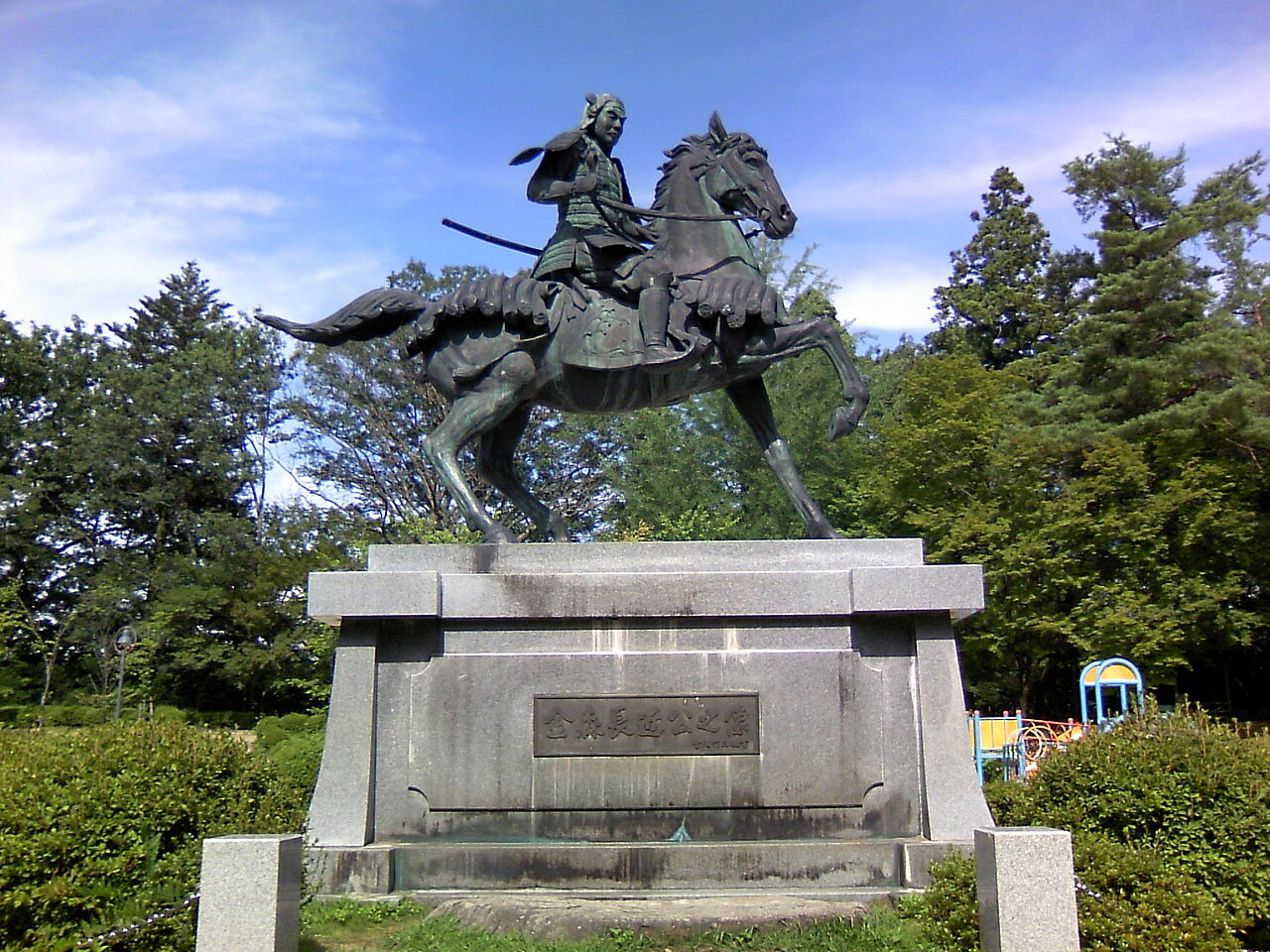
Shiroyama Park is a park in Takayama, Japan. Castle built 1588 by warlord Kanamori Nagachika. Dismantled by shogunate order in 1695. Most visitors spend 30-60 min here. The free Lokali audio guide runs 4 minutes.
✓ Verified October 2026 · how we write these guides
Visitor facts
| Time needed | 30-60 min |
|---|---|
| Lokali audio guide | 4 min · free |
| Type | Park |
| Best for | Photography |
| Location | Takayama, Japan |
| Coordinates | 36.137, 137.2638 |
| Languages | 45, in the Lokali app |
The story
The path beneath your feet is steep — old stone steps worn smooth by centuries of footfall, climbing through a dense canopy of cedar and maple. The air smells of damp earth and moss. You are ascending the hill where Takayama Castle once stood, a fortress that commanded this valley from the late sixteenth century until its deliberate destruction in the seventeen-seventies.
Takayama Castle was built in 1588 by Kanamori Nagachika, a warlord granted these mountains by the shogun Toyotomi Hidesato. Nagachika chose this ridge for its strategic view — from the summit, you could see every approach to the town below, every road threading through the Northern Japan Alps. The castle stood for nearly two centuries, a symbol of Kanamori power, until the clan was transferred to another domain and the shogunate ordered the fortress dismantled. By 1695, not a single tower remained. Only the earthworks survived — the terraced platforms where wooden halls and watchtowers once rose.
Today, Shiroyama Park preserves those ghost foundations. As you climb higher, notice the flat clearings to either side of the path — these are the old baileys, leveled spaces where samurai lived and stored weapons. The largest terrace, near the summit, was the site of the main keep. Stand there and you will understand why Nagachika chose this spot. The view opens across the entire Hida basin — the red roofs of Takayama's old merchant quarter, the Miyagawa River threading silver through the valley, the white peaks of the Northern Alps rising beyond.
The park is quietest in early morning, when mist clings to the lower slopes and the only sounds are birdsong and the rustle of leaves. In autumn, the maples turn crimson and gold, and the hillside becomes a layered tapestry of color. In winter, snow softens the stone steps and the summit feels remote, almost forgotten. Local residents come here to walk their dogs, to jog the steep paths, to escape the tourist crowds in the streets below.
Look for the stone markers scattered across the terraces — small plaques indicating where gates and towers once stood. One marks the site of the otemon, the main gate, where visitors would have entered the castle grounds. Another identifies the nishi no maru, the western bailey, which housed retainers and supplies. These markers are subtle, easy to miss if you are not paying attention, but they help you reconstruct the vanished fortress in your mind.
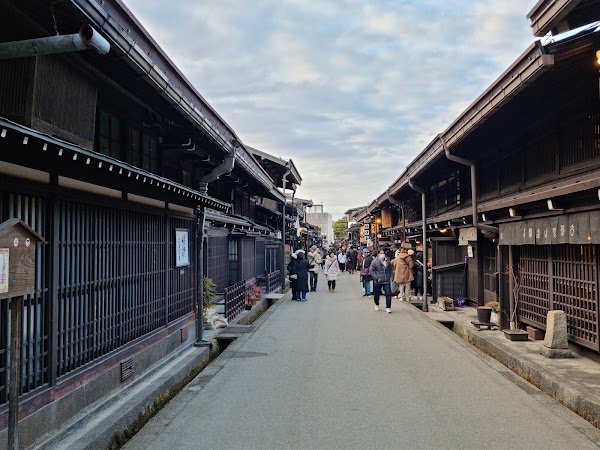
The descent offers a different perspective. The town spreads below you in neat grids — the result of careful Edo-period planning. Takayama was a timber town, a mountain crossroads, and the castle controlled the trade routes that brought wealth to the Kanamori clan. When the castle was dismantled, the town did not collapse. Instead, it thrived as a merchant center, its wooden machiya townhouses lining the streets you walked earlier.
Shiroyama Park is not grand. There are no reconstructed towers, no museum displays, no ticket gates. It is simply a wooded hill with a history embedded in its contours. But that simplicity is its strength. You are walking through the bones of a fortress, feeling the slope that soldiers once climbed, standing where commanders once surveyed their domain.
As you leave the park and return to the streets of Takayama, you carry that elevated view with you — a sense of how this town fits into its valley, how the mountains shaped its history, how a vanished castle still anchors the landscape. The hill remains, patient and green, holding the memory of what once stood here.
Key facts
What to look for
Practical tips
Common questions
How long do you need at Shiroyama Park?
Plan 30-60 min. That is the time most visitors spend at Shiroyama Park. The free Lokali audio guide runs 4 minutes and is made to listen to while you walk.
Is there a free audio guide to Shiroyama Park?
Yes — the Lokali app narrates Shiroyama Park free of charge in 50+ languages. No ticket, tour group or subscription, and it works offline once downloaded.
Where is Shiroyama Park?
Shiroyama Park is in Takayama, Japan, at 36.137, 137.2638. Tap the map link on this page for directions.
What should you know before visiting Shiroyama Park?
Visit early morning for mist and quiet
What is Shiroyama Park known for?
Castle built 1588 by warlord Kanamori Nagachika
What is the best time to visit Shiroyama Park?
Visit early morning for mist and quiet
On the map
Opens directions to Shiroyama Park from your location.
More to see in Takayama


Hear Shiroyama Park in your language
The full story, narrated, in 50+ languages. Download it before you go and it plays offline, at your own pace, with no ticket and no tour group.