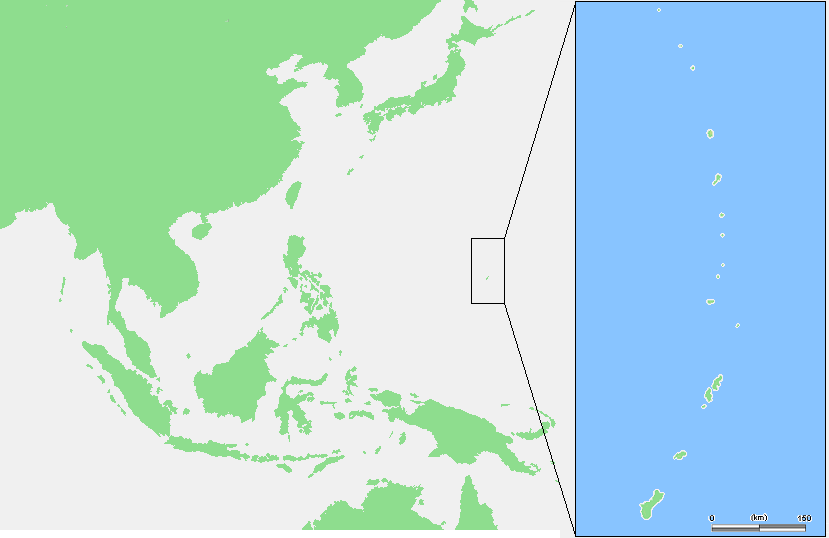
Chamorro Village is a pedestrian marketplace in Hagatna showcasing traditional Chamorro crafts, clothing, and food. It is in Tumon, United States. Most visitors spend 45–90 min here. The free Lokali audio guide runs 5 minutes.
✓ Verified August 2026 · how we write these guides
Visitor facts
| Time needed | 45–90 min |
|---|---|
| Lokali audio guide | 5 min · free |
| Type | Market |
| Best for | Local life |
| Location | Tumon, United States |
| Coordinates | 13.6280, 144.7550 |
| Languages | 45, in the Lokali app |
The story
Follow the smell of barbecue smoke and fresh coconut. It leads to a cluster of small buildings with steep red roofs, set close together like a storybook village. Music drifts from a stage. Someone laughs over a hot grill. This is Chamorro Village in Hagåtña, the capital of Guam. Locals shop here, eat here, and meet here, and visitors are welcomed into the routine.
The village is a marketplace, built by the local government and opened in the early 1990s. The idea was simple. Give local cooks, farmers, and craftspeople a permanent home in one place, at the center of the capital. The red-roofed pavilions copy older village forms, with steep roofs and open sides that let the sea breeze pass through.
The location carries meaning. The market stands near the mouth of the Hagåtña River, where it meets the sea at Agana Bay. Hagåtña has been the island's capital since the Spanish era, and its old core, with Plaza de España and the cathedral basilica, lies a short walk inland. Across the road lies the Paseo, a small peninsula of parks and ball fields built on wartime rubble pushed into the bay after 1944.
Any day works for a visit, but Wednesday is the day. Every Wednesday evening the village holds its night market, and the whole island seems to arrive. Stalls open, grills light, bands plug in, and the walkways fill shoulder to shoulder. Come early in the evening, when the grills are lit but the lines are still short.
Come hungry. The food is the heart of the place. Try kelaguen, a CHamoru dish of chicken, shrimp, or beef cured in lemon juice with grated coconut and hot pepper. Try red rice, colored with achote seed, the side dish of every island party. Try barbecue ribs and chicken, sweet from a soy and vinegar marinade. Portions are generous, and plates are made for sharing.
Save room for the small things. Vendors sell empanadas with a crisp orange crust, banana doughnuts fried to order, and apigigi, young coconut wrapped in a banana leaf and grilled. Wash it all down with chilled coconut water, drunk straight from the shell with a straw. Prices run friendly, and the coconut is opened with a machete while you watch.
The village is also a workshop. Weavers turn coconut and pandanus leaves into hats, fans, bracelets, and birds. Carvers shape wood and bone. Jewelers string shell and coral beads. Many sellers make what they sell, and most are happy to talk about the work while their hands keep moving. These crafts make better souvenirs than anything in a hotel lobby.
Music holds the evening together. Local bands play island reggae and old standards, and couples step out to dance cha-cha on the concrete floor. Dance groups in woven costumes sometimes perform older CHamoru dances with chants and drums. The stage sits at the center, and the sound carries everywhere. Watch the older couples especially. On Guam, cha-cha is nearly a native art.
Children wait for the carabao. The carabao is a water buffalo, the old farm animal of Guam, once used to pull carts and plow fields. At the night market, decorated carabao give slow rides around the grounds. Their horns are often dressed with flowers or ribbon. The animals walk with great patience, as if they have seen every kind of excitement before.
Daytime shows a quieter face. On weekday lunchtimes, workers from nearby government offices line up at the food counters for plates of ribs, red rice, and fina'denne', the CHamoru dipping sauce of soy, vinegar, onion, and hot pepper. Lunch service moves fast, because everyone is on a work break. Shops open at a relaxed pace. If you prefer photos without crowds, come on a weekday morning.
The village answers a hard question. How does a culture stay alive after centuries of colonization, a wartime occupation, and decades of rapid change. The answer here is practical. Culture lives when people can cook it, weave it, sing it, and sell it, week after week, in the middle of their own capital. Nothing here sits behind glass. The culture is for tasting and for dancing, not just for looking.
When you leave, take one last look at the red roofs against the evening sky. Markets like this are older than any mall and more honest. People bring what they make, and they stand behind it. On Wednesday nights in Hagåtña, that old idea still draws a crowd.
Key facts
What to look for
Practical tips
Common questions
How long do you need at Chamorro Village?
Plan 45–90 min. That is the time most visitors spend at Chamorro Village. The free Lokali audio guide adds about 5 minutes of narration you can listen to as you walk, so it fits inside your visit rather than adding to it.
Is there a free audio guide to Chamorro Village?
Yes — the Lokali app narrates Chamorro Village free of charge in 50+ languages. It covers the history, what to look for on site and practical tips, and it works offline once downloaded.
Where is Chamorro Village?
Chamorro Village is in Tumon, United States, at 13.6280, 144.7550. Tap the map link on this page for directions from where you are.
What should you know before visiting Chamorro Village?
Come Wednesday evening for the full night market.
What is Chamorro Village known for?
Government-built market opened in the early 1990s.
What is the best time to visit Chamorro Village?
Saturday morning is busier and more atmospheric than Wednesday evening.
On the map
Opens directions to Chamorro Village from your location.
More to see in Tumon


Hear Chamorro Village in your language
The full story, narrated, in 50+ languages. Download it before you go and it plays offline, at your own pace, with no ticket and no tour group.