Palm West Beach
25.1380° N · 55.1050° E · Beach
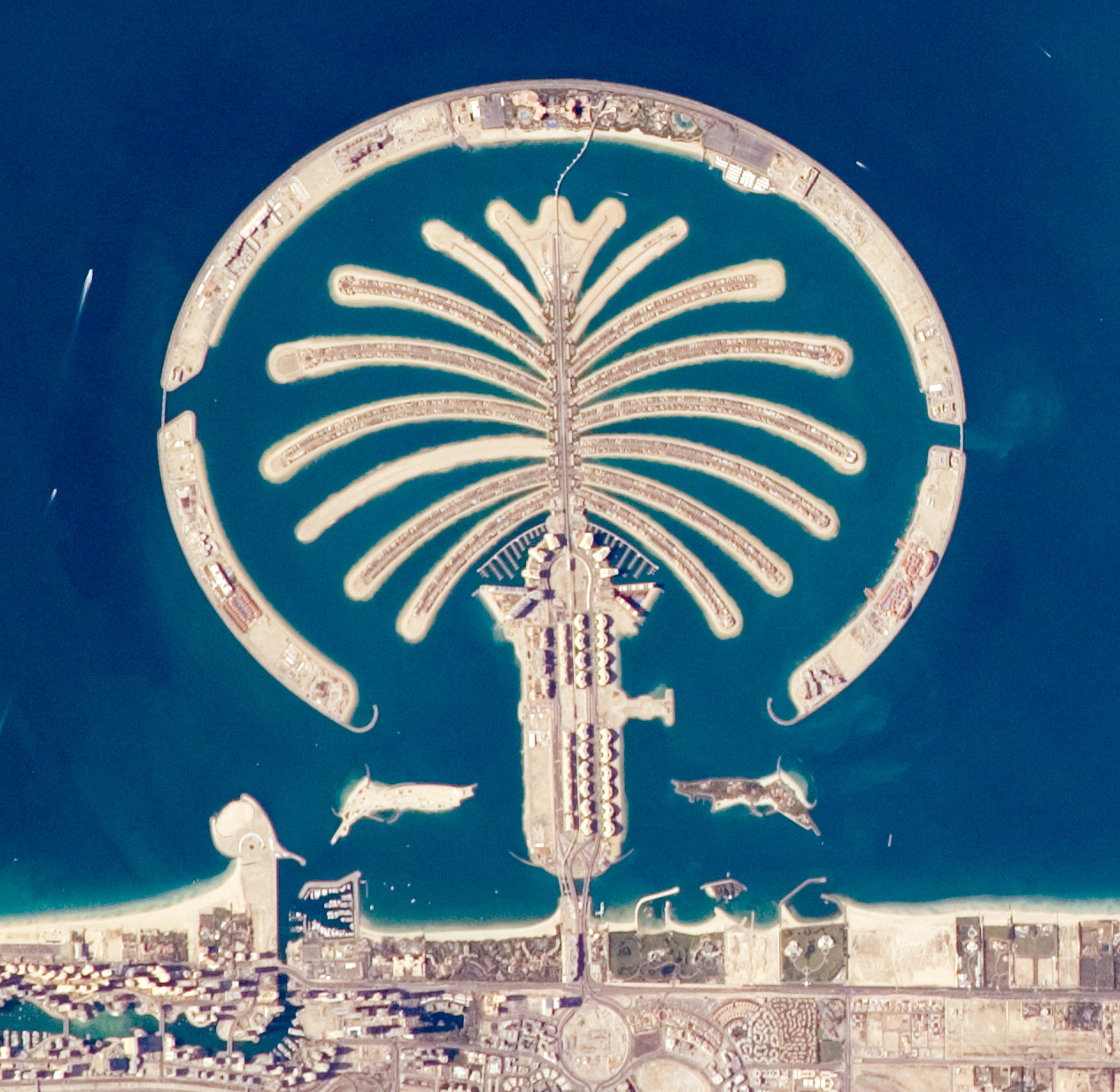
Palm West Beach is a beach in United Arab Emirates. Public beach on the Palm's western frond, with soft sand, calm waters, and views toward the mainland. Most visitors spend 1–2 hours here. The free Lokali audio guide runs 5 minutes.
✓ Verified August 2026 · how we write these guides
Visitor facts
| Time needed | 1–2 hours |
|---|---|
| Lokali audio guide | 5 min · free |
| Type | Beach |
| Best for | Photography |
| Location | United Arab Emirates, United Arab Emirates |
| Coordinates | 25.1380, 55.1050 |
| Languages | 45, in the Lokali app |
The story
Warm sand underfoot, palm shadows stretching long, and across the water, a giant wheel standing against the sky. Music drifts from a beach bar. Paddleboards cut slow lines over flat sea. The air carries salt, coffee, and grilled food in equal parts. This is Palm West Beach, the stretch of Palm Jumeirah where Dubai comes to be outdoors.
The beach runs along the western side of the island's trunk, the wide central section of the palm shape that carries its roads and apartment towers. For years, this shoreline belonged mostly to construction fences and private developments. In 2020, the developer Nakheel opened it up as a public beach with a promenade, and it filled with life almost immediately. The idea was simple: give residents and visitors a shoreline that asked for nothing but time.
The promenade stretches about 1.6 kilometres along the water. It is a simple, effective design: a boardwalk lined with palms, restaurants and cafes on one side, sand and sea on the other. You can walk it end to end in twenty minutes, or spend a whole day failing to. Runners measure laps on it; couples measure evenings.
The view does a lot of the work. Directly across the water stands the skyline of Dubai Marina, a dense wall of towers that looks almost unreal at this distance. To its side, on Bluewaters Island, rises Ain Dubai, the giant observation wheel, 250 metres tall. Boats cross the gap all day, leaving slow white seams in the water. At night the whole line of it glows and reflects in the sea.
Palm Jumeirah itself is engineered ground. Land reclamation began in 2001, with dredgers building the palm from sand raised off the seabed. Engineers compacted that sand with vibrations rather than pouring concrete edges, so the island is, in a real sense, a sculpture of seabed. The trunk you are standing on is barely older than the century. It is worth remembering, with your feet in the water: this beach was open sea within living memory.
Mornings belong to exercise. Joggers take the boardwalk early, before the heat. Paddleboarders and kayakers go out while the water is at its calmest, sliding between the moored boats. Rental stands along the beach offer boards, kayaks, and lessons by the hour. The sea here is usually gentle, sheltered by the shape of the coast, which makes it forgiving for beginners.
By midday, the beach settles into its main business: swimming, sunbathing, long lunches. The sand is divided informally between beach clubs and free public stretches. The clubs rent loungers and umbrellas and serve food to your chair; the public sections ask nothing except that you bring your own towel. Weekdays stay noticeably calmer than weekends, when the city arrives in force.
The water is shallow near the shore and clear on most days. Swim zones are marked along the busier stretches. Showers and access points appear at intervals off the boardwalk. It is an easy beach in the practical sense: arrive with little, manage fine.
Evening changes the character. The sun drops toward the sea in front of you, which is rare for Dubai beaches, most of which face other directions. In midsummer the sun sets over open water; in cooler months it slides down nearer the towers. The Marina skyline turns gold, then grey, then electric. Restaurants fill, music rises a little, and the boardwalk becomes a slow parade of walkers, prams, and phone cameras aimed at the wheel.
The food scene leans casual but spans wide: bakeries, burger spots, seafood houses, licensed bars with tables on the sand. Booking ahead matters on weekends, especially for sunset tables. Prices reflect the postcode, but no one checks what you paid to sit on the free sand with a takeaway coffee.
Getting here is simple. Palm Jumeirah Road runs the length of the trunk, with parking along the beach side streets. Ride-hailing cars drop off at the boardwalk entrances all evening. The monorail and the city tram connect at the base of the island, a short taxi hop away. Many visitors pair the beach with Nakheel Mall, a few minutes inland, for shade and air-conditioning when the afternoon peaks.
Stay past sunset if you can. The heat loosens, the lamps come on along the boardwalk, and the wheel across the water becomes a dark circle against the lit skyline. A beach that did not exist a generation ago, on an island that did not exist either, doing the oldest thing a beach can do: giving people a place to watch the day end.
Key facts
What to look for
Practical tips
Common questions
How long do you need at Palm West Beach?
Plan 1–2 hours. That is the time most visitors spend at Palm West Beach. The free Lokali audio guide adds about 5 minutes of narration you can listen to as you walk, so it fits inside your visit rather than adding to it.
Is there a free audio guide to Palm West Beach?
Yes — the Lokali app narrates Palm West Beach free of charge in 50+ languages. It covers the history, what to look for on site and practical tips, and it works offline once downloaded.
Where is Palm West Beach?
Palm West Beach is in United Arab Emirates, United Arab Emirates, at 25.1380, 55.1050. Tap the map link on this page for directions from where you are.
What should you know before visiting Palm West Beach?
Come on weekday mornings for quiet sand and easier parking.
What is Palm West Beach known for?
Opened to the public in 2020 by developer Nakheel.
What is the best time to visit Palm West Beach?
Early morning visits offer solitude and the best light.
On the map
Opens directions to Palm West Beach from your location.
More to see in United Arab Emirates


Hear Palm West Beach in your language
The full story, narrated, in 50+ languages. Download it before you go and it plays offline, at your own pace, with no ticket and no tour group.