
Pindus National Park
39.9000° N · 21.1167° E · National Park
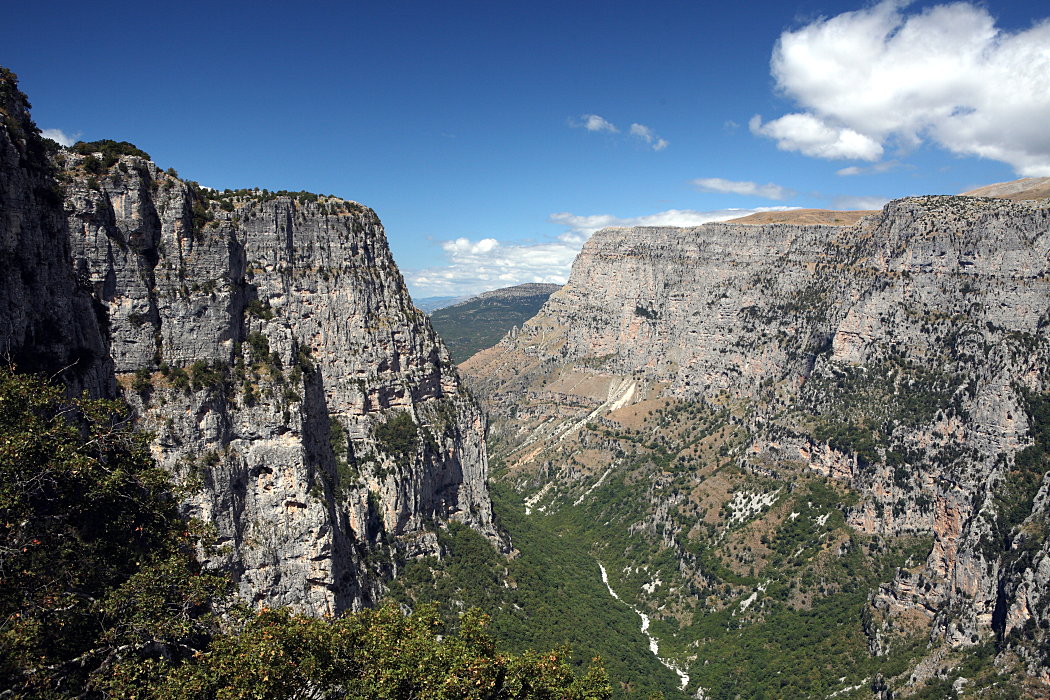
Photo: Karayan74 · CC BY-SA 4.0 · Wikimedia Commons
Pindus National Park is a national park in Greece. Declared a Greek national park in 1966. The free Lokali audio guide runs 7 minutes.
✓ Published October 2026 · how we write these guides
Visitor facts
| Lokali audio guide | 7 min · free |
|---|---|
| Type | National Park |
| Location | Western Macedonia Region, Greece |
| Coordinates | 39.9000, 21.1167 |
| Official website | pindosnationalpark.gr |
| Languages | 50+, in the Lokali app |
The story
Listen first. Wind moves through the tops of the black pines with a low, steady rush, close to the sound of distant surf. Underfoot, the ground is soft with years of fallen needles, and the air carries resin, cold stone and damp earth. Somewhere below, water runs over rock. This is Pindus National Park, high in the mountains of northern Greece. For many people, this is the first time they hear a forest this quiet and this large.
Many locals and many maps use another name for this place. They call it Valia Calda. The words come from Aromanian, the language of the Vlach shepherds who have grazed flocks in these mountains for centuries. Valia Calda means the warm valley. The name can surprise visitors who arrive on a chilly morning. The idea is simple, though. The valley sits sheltered between higher ridges, so it is milder than the bare summits around it.
First, a little geography, because it explains a lot. The park lies along the spine of the Pindus range. These mountains run north to south through mainland Greece, and Greeks sometimes call them the backbone of the country. This protected forest sits on the border between Western Macedonia and Epirus, in the high country between Grevena and Ioannina. Rivers that begin up here flow away in different directions. Some run west toward the Ionian Sea. Others drain east toward the Aegean.
Greece declared Valia Calda a national park in 1966. That made it one of the country's earliest protected landscapes. The aim was to protect something rare in southern Europe — a large, mostly continuous mountain forest that had escaped heavy logging and road building. Today the old core forms part of a wider protected area across the northern Pindus. Look around and you can see why people judged this place worth protecting.
The trees tell most of the story. At lower and middle heights you walk through beech, with smooth grey trunks and leaves that turn copper and gold in autumn. Higher up, black pine takes over. The trunks are dark, deeply furrowed and often straight as columns. Some of these pines are very old. Their bark is thick and plated, a bit like a reptile's skin. Run your hand over it and you feel the ridges.
Here is something many visitors miss. The mix of pine and beech is not random. Beech likes deeper soil and more moisture, so it gathers in shaded hollows and on north-facing slopes. Pine handles thin soil, rock and sun much better. As you walk, watch how the forest changes from grey to dark green and back again. These changes act like a map of the ground. They show you where water collects and where the rock lies close to the surface.
Now the wildlife. This forest is one of the strongholds of the brown bear in Greece. It is far more likely that a bear will notice you than that you will see a bear. Wolves also live in these mountains, along with wild boar, roe deer, and chamois on the higher cliffs. Birds of prey ride the air above the ridges. One stream that runs through the park is called Arkoudorema. In Greek, that means the bear stream.
A second surprise is how much of this landscape people shaped, even though it looks wild. For generations, Vlach and Sarakatsani shepherds moved their flocks up here each summer and down to the lowlands each winter. This seasonal journey is called transhumance. The open meadows above the tree line owe part of their character to centuries of grazing. In summer, you may still hear sheep bells across the slopes. That sound links this protected forest to a very old way of life.
The villages around the edges keep that link alive. Places such as Perivoli, on the Grevena side, have deep Vlach roots. Their stone houses and slate roofs are built to handle heavy snow. Metsovo, a little further south in Epirus, is another traditional mountain town. Many travellers use it as a base. In these villages you will find local cheeses, wood-fired cooking and slow conversations in café squares. The forest and the people who live around it belong to the same story.
The seasons here change sharply. Winter brings deep snow, and access can become difficult or impossible on the higher roads. Spring arrives late. It brings meltwater and a rush of wildflowers in the meadows. Summer is the gentle season, cool under the trees even when the lowlands of Greece bake in the heat. Autumn may be the most beautiful time. The beech forest burns orange against the dark pines, and the air turns crisp and clear.
A practical word, because this is real mountain country. Services inside the park are minimal. Mobile signal can disappear, and the forest tracks are often unpaved. Weather can change fast, even on a bright day. Carry water, warm layers and a proper map, and tell someone where you are going. Keep to marked paths, both for your safety and for the animals. Remember that this is home to large wildlife. Keep food sealed and never leave rubbish behind.
If you have time, follow the sound of water. The streams here are cold and very clear. They run over pale stones and between banks of moss and fern. Stand still beside one for a minute and the forest comes back into focus. You may hear a woodpecker hammering, a jay calling sharply, or the creak of a pine trunk moving in the wind. These small sounds are easy to miss when you are walking.
So take a moment before you go. Look up at the line where the dark pines meet the sky. Look down at the needles and cones at your feet, layer on layer from years of quiet growth. Breathe the resin in the air once more. As you walk back toward the road, listen for that wind in the treetops again. It was here long before the park had a name, and it will still be here after you leave.
Key facts
What to look for
Practical tips
Common questions
Is there a free audio guide to Pindus National Park?
Yes — the Lokali app narrates Pindus National Park free of charge in 50+ languages. The guide runs about 7 minutes, covers the history, what to look for on site and practical tips, and works offline once downloaded.
Where is Pindus National Park?
Pindus National Park is near Western Macedonia Region, Greece, at 39.9000, 21.1167. Tap the map link on this page for directions from where you are.
What is Pindus National Park known for?
Declared a Greek national park in 1966. Valia Calda means warm valley in Aromanian.
What should you look for at Pindus National Park?
Thick plated bark on the oldest black pines. Smooth grey beech trunks in shaded hollows. Clear streams running over pale stones.
What should you know before visiting Pindus National Park?
Base yourself in Metsovo or Perivoli for easier access. Carry a paper map because mobile signal often disappears.
When is the best time to visit Pindus National Park?
Visit in autumn for copper beech against dark pine.
On the map
Opens directions to Pindus National Park from your location.
More to see near Pindus National Park


Hear Pindus National Park in your language
The full story, narrated, in 50+ languages. Download it before you go and it plays offline, at your own pace, with no ticket and no tour group.