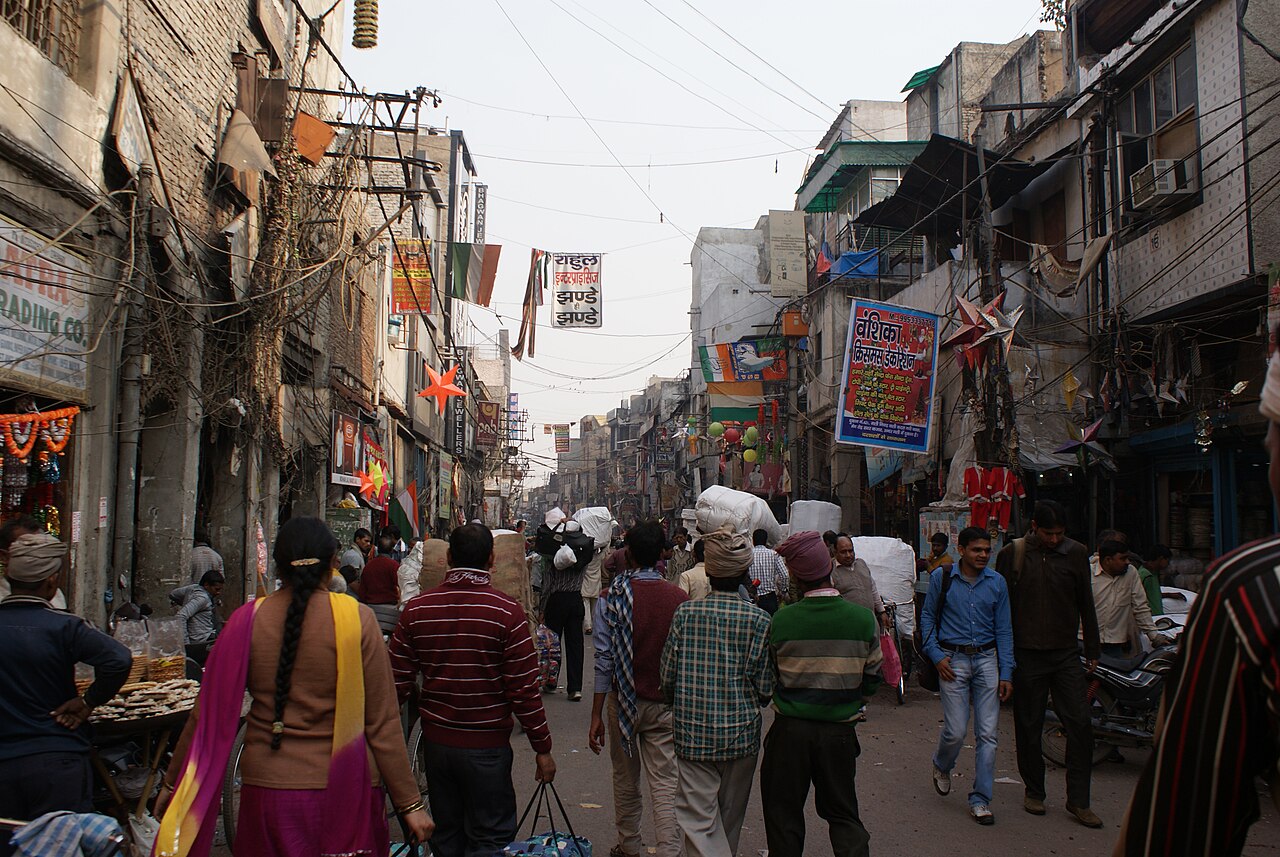
Saddar Bazaar is a market in Zone V, Pakistan. Central shopping district blending traditional bazaar lanes with modern storefronts. Most visitors spend 1–1.5 hours here. The free Lokali audio guide runs 5 minutes.
✓ Verified August 2026 · how we write these guides
Visitor facts
| Time needed | 1–1.5 hours |
|---|---|
| Lokali audio guide | 5 min · free |
| Type | Market |
| Best for | Local life |
| Location | Zone V, Pakistan |
| Coordinates | 33.5783, 73.2332 |
| Languages | 45, in the Lokali app |
The story
The streets here feel different from the old city. Wider in places. Lined with buildings that wear another century on their faces. Signboards stack one above another. The smell of grilled meat drifts from a doorway. You have reached Saddar, the main commercial heart of Rawalpindi, and one of its most layered places. Few corners of the city hold so much history in so small a space.
To understand Saddar, you have to look back to the middle of the nineteenth century. In 1849, the British took control of this region from the Sikhs. Two years later, in 1851, Rawalpindi became a permanent garrison for the British army. A military town grew up around the soldiers. Saddar grew along with it.
The British invited local people to open shops inside the cantonment. These shops served the needs of the army and the residents. Markets appeared first. Then banks, hotels, and cinemas followed. Step by step, Saddar became the main business district of the cantonment. It has held that role ever since.
The buildings tell this story if you look up. Many of them carry the lines of colonial architecture. One example is Gakhar Plaza, which dates back to 1915. It was built as a shopping center and a cinema hall. Structures like these have watched the city change around them for more than a hundred years.
Saddar sits between the Mall Road and the main railway lines. This was no accident. Trade follows transport. Goods arrived by rail. Soldiers and officials moved along the Mall. The market settled in between, where the flow of people was greatest. Geography shaped this place as much as history did.
Today the bazaar pulls shoppers from across the twin cities. People come for the variety and the prices. You can find clothing, shoes, household goods, and much more. One part of Saddar, known as Landa Bazar, is popular for secondhand clothes. Careful searching there can turn up good items at a low cost. Bargaining is normal here, so take your time and compare a few shops before you buy.
Walk slowly and let the layers show themselves. A modern phone shop sits below a colonial balcony. A street vendor sells fruit beside a bank that has stood for generations. Old and new share the same wall here. Saddar does not erase its past. It simply builds on top of it, year after year.
This is also a place to eat well. Saddar is known across Rawalpindi for its food. The streets fill with the smell of grilling meat. Mutton karahi is a local favorite. So is shinwari karahi. Restaurants, cafes, and street stalls line the lanes, serving everything from old dishes to quick fast food. Find a busy stall with fast turnover, and you will usually eat well. A glass of cold lassi makes a good companion to the spiced meat.
Notice the mix of people moving past you. Office workers on their lunch break. Families on a shopping trip. Students gathering with friends. Saddar belongs to all of them. It is not one kind of place for one kind of person. It serves the whole city, every day of the week.
In recent years, parts of Saddar have been renewed. The local cantonment board has worked to repair and refresh the area. Some streets look cleaner and brighter than they did before. The work continues, balancing the needs of a modern market with the weight of a much older one.
Take time to look at the details. A carved date above a doorway. An old shop sign in faded paint. A narrow staircase leading to rooms above the street. These small things are easy to miss in the crowd. They are also where the true age of Saddar shows itself most clearly. Slow down, and the street rewards you.
The evening brings its own mood to Saddar. As the light fades, the shop fronts glow and the food streets fill. The smell of grilling meat grows stronger. People come not only to buy, but to walk, to meet, and to end the day among others. This is when the area feels most alive.
Saddar is a place where history did not stop and turn into a museum. It kept working. The same streets that served a garrison long ago now serve a modern city. People shop, eat, and meet here every day, often without thinking about how old the ground beneath them is. As you leave, that quiet continuity is worth holding onto.
Key facts
What to look for
Practical tips
Common questions
How long do you need at Saddar Bazaar?
Plan 1–1.5 hours. That is the time most visitors spend at Saddar Bazaar. The free Lokali audio guide adds about 5 minutes of narration you can listen to as you walk, so it fits inside your visit rather than adding to it.
Is there a free audio guide to Saddar Bazaar?
Yes — the Lokali app narrates Saddar Bazaar free of charge in 50+ languages. It covers the history, what to look for on site and practical tips, and it works offline once downloaded.
Where is Saddar Bazaar?
Saddar Bazaar is in Zone V, Pakistan, at 33.5783, 73.2332. Tap the map link on this page for directions from where you are.
What should you know before visiting Saddar Bazaar?
Search Landa Bazar for low-cost secondhand clothing.
What is Saddar Bazaar known for?
British took the region from the Sikhs in 1849.
What is the best time to visit Saddar Bazaar?
The food stalls at the market's edges serve excellent pakoras and chaat — order from a busy corner stand for the best quality.
On the map
Opens directions to Saddar Bazaar from your location.
More to see in Zone V

Hear Saddar Bazaar in your language
The full story, narrated, in 50+ languages. Download it before you go and it plays offline, at your own pace, with no ticket and no tour group.