
Netherlands Open Air Museum
52.0094° N · 5.9064° E · Museum
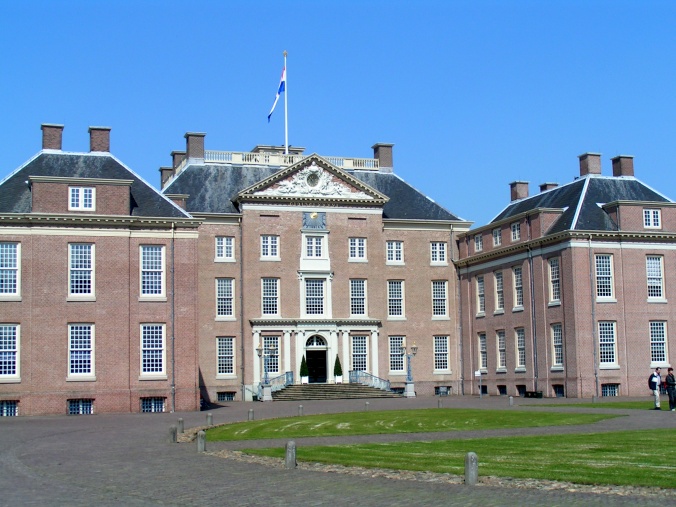
Photo: Ciell · CC BY 2.5 · Wikimedia Commons
Netherlands Open Air Museum is an open air museum in Arnhem, Netherlands. The museum was founded in Arnhem in 1912. The free Lokali audio guide runs 7 minutes.
✓ Published October 2026 · how we write these guides
Visitor facts
| Lokali audio guide | 7 min · free |
|---|---|
| Type | Museum |
| Location | Arnhem, Netherlands |
| Coordinates | 52.0094, 5.9064 |
| Official website | openluchtmuseum.nl |
| Languages | 50+, in the Lokali app |
The story
Listen first. Gravel crunches under your shoes. Somewhere ahead a wooden sail turns with a slow creak, and the air carries a mix of damp leaves, wood smoke and fresh bread. Tall trees close over the paths, and between their trunks you can see thatched roofs, painted shutters and the outline of a windmill. This is the Netherlands Open Air Museum, on the wooded northern edge of Arnhem. It does not put the country in glass cases. It puts the country back on the ground.
The idea is simple and old. In the early twentieth century, the Netherlands was changing fast. Railways, factories and new farming methods were replacing ways of life that had lasted for centuries. A group of people in Arnhem worried that ordinary rural culture would vanish without a trace. Grand palaces and churches had their protectors. Farmhouses, workshops and cottages did not. So in 1912 they founded this museum, to save the everyday.
That is the first surprise for many visitors. Most of these buildings were not built here. They stood in villages, polders and towns across the country. Then they were measured, taken apart piece by piece, transported, and rebuilt in this park. Beams were numbered. Bricks were stacked and carried. Look closely at some walls and you may see that the patterns of repair match a life lived somewhere else. Each building arrived with its own history already attached.
The model for this kind of museum came from Scandinavia. Open air museums began in Sweden in the late nineteenth century, and the idea spread across Europe. The goal was the same everywhere. Show how people actually lived — not kings, but farmers, fishers, millers and craftspeople. Here in Arnhem, the forest setting helps. Paths wind between the buildings, so you meet each one gradually, the way a traveller once came upon a village.
Look at the farmhouses, and you will notice that they are not all the same. That is the point. The Netherlands is small, but its regions developed very different ways of building. In some areas, people and cattle lived under one enormous roof, separated only by a wall or a passage. In others, the living quarters and the barn stood apart. Roof shapes, brick colours and window styles changed from province to province. Walking here is like crossing the country in an afternoon.
Step inside one of these farmhouses, if the door is open. The light drops. The floor may be tiled or packed earth. Notice how low the doorways are, and how small the windows. Heat mattered more than view. Many Dutch farmhouses had box beds, built into the wall like cupboards, with doors that closed at night. People slept partly sitting up, and families squeezed in together. It looks cosy. It was also a practical answer to cold winters.
Then there are the windmills. To many visitors abroad, the windmill is the symbol of the Netherlands. Here you can see why. Mills did far more than grind grain. Different kinds sawed timber, pressed oil from seeds, and pumped water out of low land so people could farm and live there. When a mill turns in the wind, listen to the wood and the gears. That steady rhythm once set the pace of entire villages.
The museum is not only about buildings. It is about work. On many days you can find people in historical clothing demonstrating old crafts. You might see a blacksmith shaping hot iron, or bread coming out of a traditional oven, or someone explaining how laundry was done before machines. Stop and ask questions. The staff and volunteers often know small details that no sign mentions, and the conversation is part of the experience.
Here is a second surprise. The museum does not stop in the distant past. Over time, it has added buildings and scenes from the twentieth century as well. The collection reflects the idea that history includes recent lives too — homes from the post-war decades, and stories of people who came to the Netherlands from other parts of the world. Walking from an old farm to a more modern interior, you feel how quickly daily life has changed.
You may also hear a bell, and then a rumble of wheels. A historic tram runs through the park, carrying visitors between different areas. It is a practical way to cover distance, because the grounds are large and the paths are long. It is also a small piece of history itself. Trams like this once connected Dutch towns and countryside, and riding one gives you a feeling of how people moved before cars took over.
Near the entrance, there is a modern exhibition about the Canon of the Netherlands. The Canon is a list of key people, events and objects chosen to tell the story of Dutch history in a clear, connected way. The exhibition gives a broad overview, from early times to the present. Many visitors find it useful to start there. The outdoor buildings then feel less like separate houses and more like chapters in one long story.
Take a moment to notice the landscape itself. The museum does not only move buildings — it also tries to place them in fitting surroundings. Gardens, fields, ponds and orchards sit beside the houses. Some animals live on the grounds too, so you may hear chickens, or see sheep and cattle near the farms. Seasons change the scene. In spring the trees are soft green. In autumn the paths fill with fallen leaves and the smoke from chimneys hangs low.
It is worth remembering that this museum survived a difficult century. Arnhem was at the centre of heavy fighting during the Second World War, and the whole region suffered. Today, the calm of these woods can make that hard to imagine. Yet the museum has kept going, kept collecting, and kept rebuilding. Its message has stayed the same. The lives of ordinary people deserve to be remembered with the same care as the lives of the powerful.
Before you move on, stand still for a moment. Look at the building nearest to you. Somebody once lit a fire in that hearth every morning. Somebody swept that floor, mended that roof, raised children behind those small windows. Their names are mostly lost. Their houses remain. As you walk back along the gravel paths, listen again for the creak of the mill and the sound of the tram — and notice how the past here feels close enough to touch.
Key facts
What to look for
Practical tips
Common questions
Is there a free audio guide to Netherlands Open Air Museum?
Yes — the Lokali app narrates Netherlands Open Air Museum free of charge in 50+ languages. The guide runs about 7 minutes, covers the history, what to look for on site and practical tips, and works offline once downloaded.
Where is Netherlands Open Air Museum?
Netherlands Open Air Museum is in Arnhem, Netherlands, at 52.0094, 5.9064. Tap the map link on this page for directions from where you are.
What is Netherlands Open Air Museum known for?
The museum was founded in Arnhem in 1912. Many buildings were dismantled elsewhere and rebuilt here.
What should you look for at Netherlands Open Air Museum?
Box beds built into farmhouse walls like cupboards. Different roof shapes from different Dutch provinces. Low doorways and small windows designed to keep heat.
What should you know before visiting Netherlands Open Air Museum?
Start at the Canon exhibition for useful historical context. Use the historic tram to cross the large park.
When is the best time to visit Netherlands Open Air Museum?
Visit in autumn for low chimney smoke and fallen leaves.
On the map
Opens directions to Netherlands Open Air Museum from your location.
More to see near Netherlands Open Air Museum


Hear Netherlands Open Air Museum in your language
The full story, narrated, in 50+ languages. Download it before you go and it plays offline, at your own pace, with no ticket and no tour group.