
Theatre of Dionysus
37.9704° N · 23.7278° E · Archaeological Site
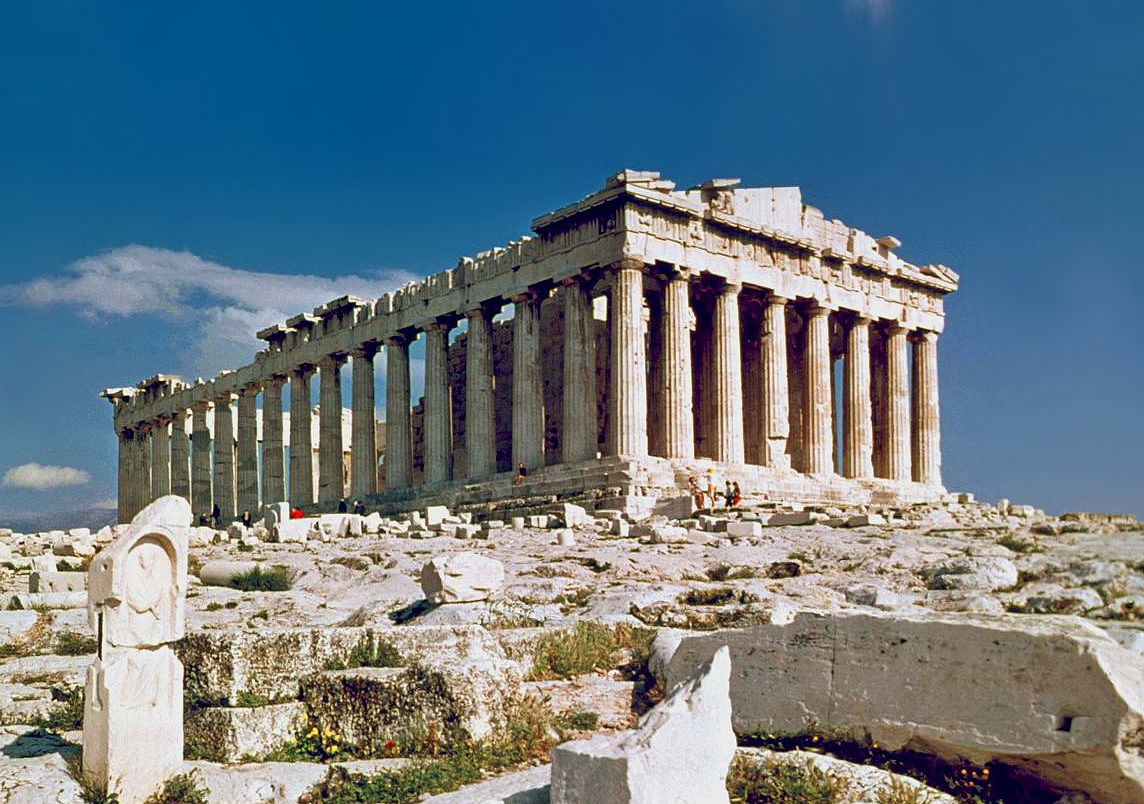
Photo: Rrburke · CC BY-SA 3.0 · Wikimedia Commons
Theatre of Dionysus is an ancient theater in the Acropolis of Athens. The theatre sits on the Acropolis's southern slope. The free Lokali audio guide runs 6 minutes.
✓ Published October 2026 · how we write these guides
Visitor facts
| Lokali audio guide | 6 min · free |
|---|---|
| Type | Archaeological Site |
| Location | Athens, Greece |
| Coordinates | 37.9704, 23.7278 |
| Languages | 50+, in the Lokali app |
The story
Stand still for a moment and feel the stone under you. It is pale marble, worn smooth and slightly uneven, warm in the sun and cool in the shade. Above you rises the rock of the Acropolis. Around you, curved rows of seats climb the hillside in a wide arc. Listen, and you may hear the wind in the pine trees and the voices of visitors drifting down from the slope.
This is the Theatre of Dionysus, on the southern slope of the Acropolis in Athens. Many historians call it the birthplace of European theatre. That is a large claim, but it rests on solid ground. The tragedies and comedies that later shaped Western drama were first performed on this hillside. You are sitting where ancient Athenians sat to watch them.
The theatre belonged to a sanctuary of Dionysus, the god of wine, fertility, ecstasy and transformation. Theatre in Athens did not begin as entertainment alone. It was a religious act. Every spring, the city held a great festival called the City Dionysia. Over several days, citizens came here to honour the god with processions, sacrifices and, most famously, competitions between playwrights.
Here is the first surprise. The stone seats around you are not the seats that Aeschylus, Sophocles and Euripides knew. In the fifth century before Christ, during the great age of Athenian drama, the audience sat mostly on the bare hillside or on simple wooden benches. Many of the plays still performed around the world today first played to crowds sitting on earth and timber.
The stone theatre came later, in the fourth century before Christ. An Athenian statesman named Lycurgus oversaw a major rebuilding. He gave the theatre permanent stone seating and a grander, more lasting form. By this time, the famous tragedians were already dead. In a sense, the city built this monument partly to honour its own theatrical past. Lycurgus is also linked with efforts to preserve official copies of the great tragedies.
Look up at the rows and try to picture them full. Scholars estimate that the rebuilt theatre held many thousands of people, perhaps around fifteen thousand or more. That was a large share of the citizens of Athens. Imagine the noise of that crowd, the sound of laughter during a comedy by Aristophanes, or the silence during a tragic death. Political leaders, foreign visitors and ordinary citizens all watched together.
Now bring your eyes down to the front row. Here is one of the finest details in the theatre. These are not plain benches. They are carved marble seats with backs, like thrones. They were reserved for priests and officials. Many of them carry inscriptions carved into the stone. These inscriptions name the priesthood or office of the person who had the right to sit there.
The most important seat stands at the centre. It belonged to the priest of Dionysus Eleuthereus, the form of the god worshipped in this sanctuary. The seat is carved with decorative reliefs, and it is the most elaborate in the front row. Its position tells you something important. The god's priest had the best view in the house, because the performance was offered first to Dionysus himself.
In front of the seats lies the orchestra, the flat area where the chorus once sang and danced. The word orchestra comes from a Greek word meaning to dance. In Greek drama, the chorus was a group of performers who commented on the action and sang between scenes. The marble paving you see today is later work, from the Roman period, when the theatre changed again.
Athens came under Roman rule, but the theatre stayed in use for centuries. The Romans altered it to suit their own tastes. Behind the orchestra, look for the low stage front decorated with carved figures. These reliefs show scenes connected with Dionysus. Some figures appear to crouch and support the stage with their backs. This decoration comes from late Roman times, many centuries after the first plays were performed here.
Here is the second surprise. Some scholars believe the Romans also added a low barrier around the orchestra. One explanation is that the space hosted different kinds of spectacle, perhaps even shows involving animals, which needed protection for the audience. Not every detail is certain. Still, the idea is striking. The stage of Sophocles may later have been used for entertainment that the old playwrights would never have imagined.
After antiquity, the theatre fell out of use. Over time, earth and debris covered much of it. Archaeologists uncovered it in the nineteenth century, and study and restoration have continued since then. Today you see layers from different ages, side by side. There are Greek foundations, Roman paving and modern repairs. The site is less a single moment than a long conversation across many centuries.
Before you leave, look around at the wider slope. To the west, along the same hillside, stands the Odeon of Herodes Atticus, a later Roman theatre that still hosts performances in summer. Above you, the rock of the Acropolis carries the Parthenon. Just to the south is the modern Acropolis Museum. From this one spot, you can see almost the whole story of ancient Athens.
Take one last look at the front row of marble seats and the open orchestra below. Notice how the sound carries when someone nearby speaks. Words spoken here more than two thousand years ago still travel across the world today. As you walk away along the slope, listen to the voices around you. In this place, people have always come to watch, listen and share a story together.
Key facts
What to look for
Practical tips
Common questions
Is there a free audio guide to Theatre of Dionysus?
Yes — the Lokali app narrates Theatre of Dionysus free of charge in 50+ languages. The guide runs about 6 minutes, covers the history, what to look for on site and practical tips, and works offline once downloaded.
Where is Theatre of Dionysus?
Theatre of Dionysus is in Athens, Greece, at 37.9704, 23.7278. Tap the map link on this page for directions from where you are.
What is Theatre of Dionysus known for?
The theatre sits on the Acropolis's southern slope. Plays were performed here for the City Dionysia festival.
What should you look for at Theatre of Dionysus?
Carved marble thrones lining the theatre's front row. Inscriptions naming priesthoods on the front-row seats. The ornate central seat of Dionysus's priest.
What should you know before visiting Theatre of Dionysus?
Combine your visit with the Acropolis on the same morning. Wear shoes with good grip for the smooth marble.
When is the best time to visit Theatre of Dionysus?
Combine your visit with the Acropolis on the same morning.
On the map
Opens directions to Theatre of Dionysus from your location.
More to see in Athens


Hear Theatre of Dionysus in your language
The full story, narrated, in 50+ languages. Download it before you go and it plays offline, at your own pace, with no ticket and no tour group.