
Chapel Royal of Saint Peter ad Vincula
51.5086° N · 0.0769° W · Church
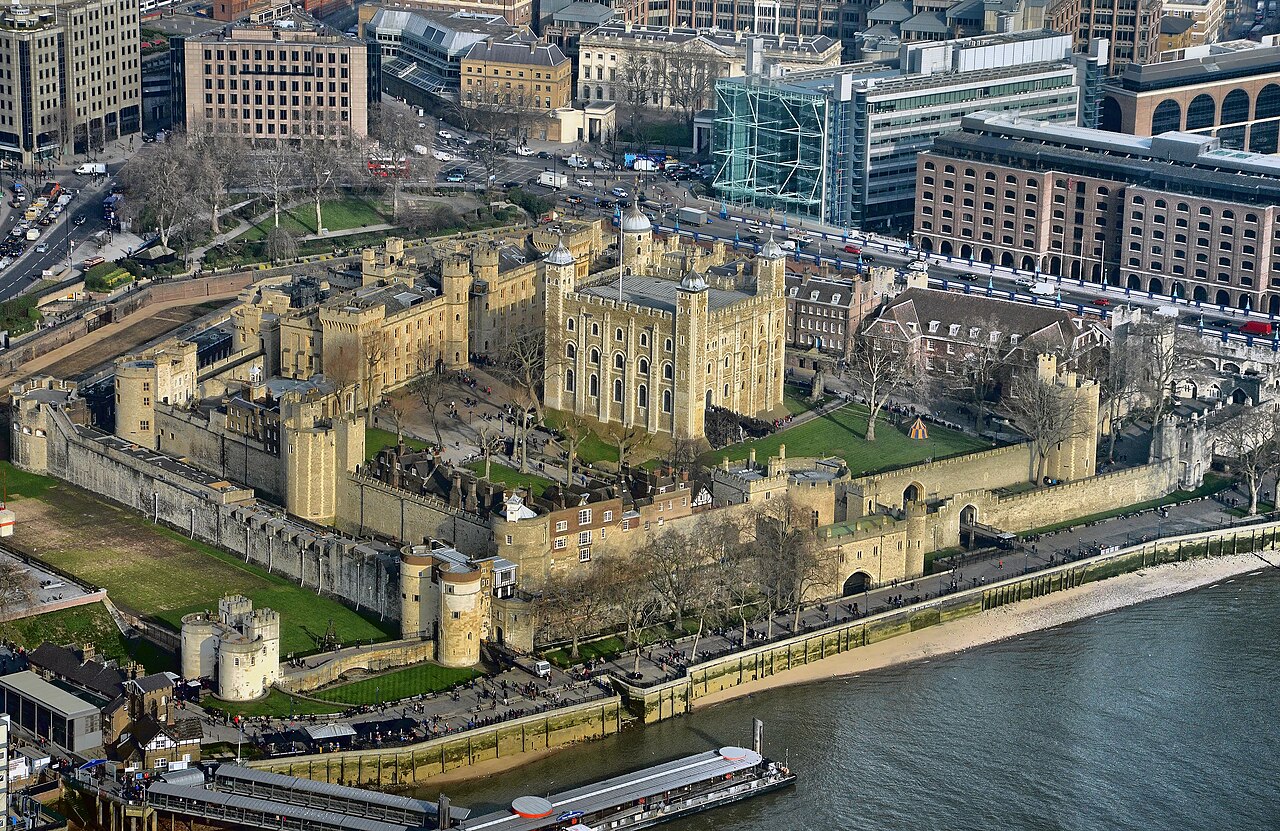
Photo: Michael Coppins · CC BY-SA 4.0 · Wikimedia Commons
Chapel Royal of Saint Peter ad Vincula is a Grade I listed chapel in London Borough of Tower Hamlets, UK, within the Tower of London. The name means Saint Peter in Chains in Latin. The free Lokali audio guide runs 6 minutes.
✓ Published October 2026 · how we write these guides
Visitor facts
| Lokali audio guide | 6 min · free |
|---|---|
| Type | Church |
| Location | London, United Kingdom |
| Coordinates | 51.5086, -0.0769 |
| Languages | 50+, in the Lokali app |
The story
Listen for a moment. Beyond the chatter of the crowds, you may hear ravens calling across the grass, and the soft scrape of shoes on old stone. In front of you stands a low, grey chapel with a square bell turret. It looks modest, almost shy, beside the great white keep of the Tower of London. Yet this small building holds some of the most painful stories in English history.
This is the Chapel Royal of Saint Peter ad Vincula. The Latin name means Saint Peter in Chains. It recalls a story from the Bible, in the Acts of the Apostles. Peter was imprisoned in Jerusalem, bound in chains, and an angel came to set him free. For a chapel inside one of the most famous prisons in the world, the name feels almost too fitting. Many people brought here never walked out again.
A place of worship has stood on this spot for a very long time, since well before the Tudors. The building you see today, however, largely dates from the reign of Henry the Eighth. It was rebuilt in the years around 1520, after an earlier chapel was damaged. Look at the long, low walls, the battlements along the roofline, and the wide Tudor windows. This is late Gothic architecture, plain and practical, built for a working community.
That community still exists. The Tower is not only a museum. It is also a home. The Yeoman Warders, the famous guards in dark blue and red, live within these walls with their families. This chapel is their parish church. Services are still held here. Weddings and baptisms take place inside. So as you stand outside, remember that this is a living place of worship, not simply a historic display.
Now turn your attention to the open lawn nearby. This is Tower Green. Beside it, a small memorial marks the area associated with private executions. Most executions at the Tower took place in public, on Tower Hill, outside the walls, in front of large crowds. Only a handful of prisoners, mostly people of very high rank, were put to death in private, inside the fortress. Their bodies were then carried a few steps into this chapel.
Here is the first surprise. Two queens of England lie buried beneath the chapel floor. Anne Boleyn, the second wife of Henry the Eighth, was executed in 1536. Catherine Howard, his fifth wife, followed in 1542. Both were accused of crimes that many historians now doubt. Both were buried here, just a short walk from where they died. Two wives of the same king, sharing the same quiet floor.
They are not alone. Lady Jane Grey, who was proclaimed queen and reigned for only a few days in 1553, was executed the following year and buried here too. She was still a teenager. Her story moves many visitors more than any other. She was caught in the ambitions of the adults around her, and she paid with her life. Her husband and her father-in-law are also among those laid to rest in this chapel.
The list continues through the Tudor court. Sir Thomas More, the scholar and statesman who refused to accept Henry the Eighth as head of the Church in England, was buried here after his execution. So was Bishop John Fisher, who took the same stand. Thomas Cromwell, the king's powerful chief minister, lies here as well. Cromwell had helped bring down More, and then he himself fell from favour. In this chapel, rivals rest side by side.
The nineteenth-century historian Thomas Babington Macaulay wrote about this place with deep feeling. He described it as the saddest spot on earth. He wrote that death here was linked not with faith and hope, but with human cruelty, ingratitude and fallen greatness. Standing on Tower Green, with the chapel in front of you, it is easy to understand why those words have been quoted for so long.
Here is the second surprise. For centuries, these burials were hasty and unmarked. Then, in the Victorian era, the chapel was restored. During that work, remains were found beneath the floor and carefully reburied. The names of those believed to lie here were recorded in the chancel, the area around the altar. So the memorials you may see inside are much younger than the people they honour. They are a Victorian act of remembrance.
If you go inside, notice how intimate the space feels. The chapel is not grand. The ceiling is wooden, the light is gentle, and the walls carry older tomb monuments from the Tudor period. Some show carved figures kneeling in prayer, dressed in the clothing of their time. These monuments belong to officials and families connected with the Tower, people who lived ordinary lives here among the soldiers and prisoners.
The chapel also has a special status. It is a royal peculiar. That means it belongs directly to the monarch, rather than to a local bishop. This link to the Crown has lasted for centuries. It is a quiet reminder that the Tower was always a royal fortress first. The same Crown that sent some people to their deaths here also kept a chapel to pray in, just a few steps away.
Before you leave, take one more look at the grey walls and the small bell turret. Listen again to the ravens, and to the crowds moving towards the Crown Jewels. Most people pass this chapel quickly. But you now know who lies beneath its floor. As you walk on, notice the green lawn, the old stones under your feet, and the people who still call this fortress home.
Key facts
What to look for
Practical tips
Common questions
Is there a free audio guide to Chapel Royal of Saint Peter ad Vincula?
Yes — the Lokali app narrates Chapel Royal of Saint Peter ad Vincula free of charge in 50+ languages. The guide runs about 6 minutes, covers the history, what to look for on site and practical tips, and works offline once downloaded.
Where is Chapel Royal of Saint Peter ad Vincula?
Chapel Royal of Saint Peter ad Vincula is in London, United Kingdom, at 51.5086, -0.0769. Tap the map link on this page for directions from where you are.
What is Chapel Royal of Saint Peter ad Vincula known for?
The name means Saint Peter in Chains in Latin. Current building largely dates from Henry the Eighth's reign.
What should you look for at Chapel Royal of Saint Peter ad Vincula?
Battlements running along the chapel's low grey roofline. The small square bell turret above the west end. Wide Tudor windows set in plain stone walls.
What should you know before visiting Chapel Royal of Saint Peter ad Vincula?
Buy a Tower of London ticket to reach the chapel. Join a Yeoman Warder tour for the best chance to enter.
When is the best time to visit Chapel Royal of Saint Peter ad Vincula?
Visit Tower Green early before the Crown Jewels crowds build.
On the map
Opens directions to Chapel Royal of Saint Peter ad Vincula from your location.
More to see in London



Hear Chapel Royal of Saint Peter ad Vincula in your language
The full story, narrated, in 50+ languages. Download it before you go and it plays offline, at your own pace, with no ticket and no tour group.