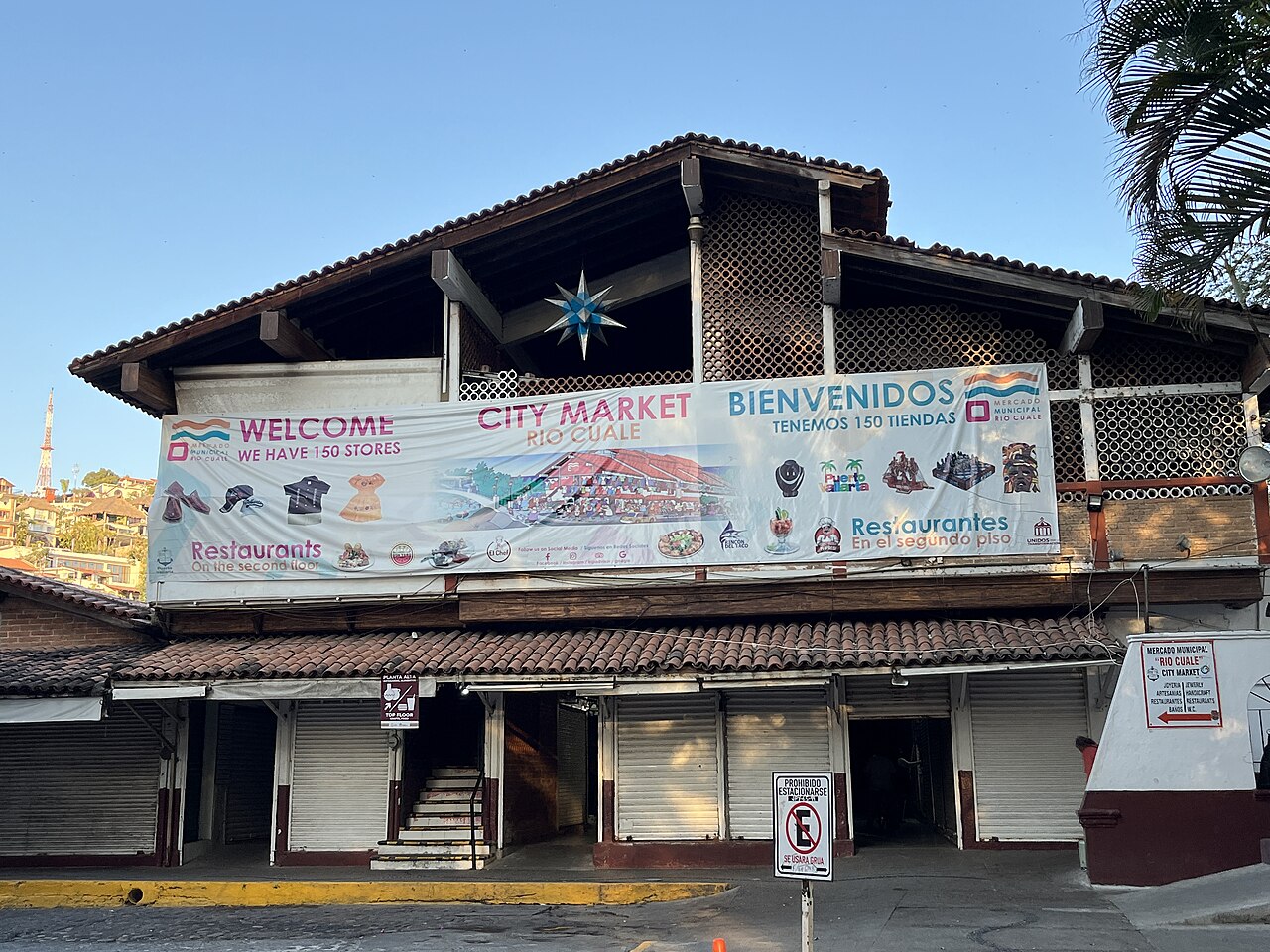
Mercado Municipal is a market in São Paulo, Brazil. São Paulo's historic central market, opened in 1933, occupies a grand art-deco building in the Zona Cerealista. Most visitors spend 1–2 hours here. The free Lokali audio guide runs 5 minutes.
✓ Verified August 2026 · how we write these guides
Visitor facts
| Time needed | 1–2 hours |
|---|---|
| Lokali audio guide | 5 min · free |
| Type | Market |
| Best for | Local life |
| Location | São Paulo, Brazil |
| Coordinates | -23.5505, -46.6333 |
| Languages | 45, in the Lokali app |
The story
Step in from the street and the air changes. You smell leather, fresh paint, and food cooking somewhere above. Color fills every shelf. Bags hang from the ceiling. A radio plays. The river runs close by, just outside the walls. This is the Mercado Municipal, the old public market of Puerto Vallarta, set on the bank of the Cuale River in the center of town.
The market has stood here for a long time. It opened in 1957, when Puerto Vallarta was still a small town. Over the years it grew. In 1979, the city built new market halls in their place. The newer building opened on November 28, 1979. People have shopped here across many decades. The building has changed, but the trade has not.
You will find the market in the center, by the Cuale River. The river splits the old town and runs to the sea. A small island sits in the middle of it. The market stands on the north side, close to that island. The seaside walk, the Malecon, lies only about two hundred meters away. If you reach the river island, a footbridge brings you across to the market in a minute or two.
The ground floor is for crafts. Stalls press close together along narrow aisles. You will see silver jewelry, leather bags, blankets, and hats. There are carved figures and painted bowls. Much of the work comes from the wider region of Jalisco, the state around Puerto Vallarta. Vendors call out prices. Here, gentle bargaining is part of the visit. Prices are rarely fixed, so a friendly offer is welcome.
The sounds change as you move. In one aisle, a vendor folds shirts and talks with a neighbor. In another, a knife taps a board as a cook chops onions. The smell shifts from leather to fruit to roasting meat. You pass walls of bright bags and shelves of clay pots. Each turn brings a new color and a new voice.
Take your time with the handmade things. Look for bright folk art, glass, and clay. Some pieces show the work of local hands. Others come from villages in the hills. Patterns repeat across stalls, but small differences set each one apart. Ask where a piece was made. Many vendors are happy to tell you the town or the family behind the work.
Climb the stairs and the smell of food grows stronger. The upper floor is for eating. Small kitchens line the space. Cooks work over hot pans. Steam rises from the pots, and the smell pulls you from the stairs. You can order pozole, a warm soup, or sopes, small thick tortillas with toppings. There are tacos, fresh fish, and more. The cooks prepare each plate to order.
Many of the food stands look out over the river. You can sit with a plate and watch the water move below. Order a fresh juice and watch the cooks work while you wait. The prices are low. The portions are full. This is where local workers and families come to eat. A meal here is simple, hot, and honest.
The market rewards slow walking. Aisles turn and cross. It is easy to lose your way among the stalls, and that is part of the fun. Light comes through gaps above. Fans turn overhead. Take a photo of a stall you like, then find your way back to it later. Each corner holds something new: a wall of bags, a case of rings, a table of spices.
The market opens every day. Most stalls work from about nine in the morning until the early evening, near half past six. Mornings are calmer. Weekends bring the largest crowds, so come early if you want quiet. Cash is useful here, especially in small amounts, since many stalls do not take cards.
This market is not built for show. It serves the town first. People come for thread, for shoes, for lunch, for gifts. Visitors are welcome in the same aisles. The market has fed and dressed this town for generations. That mix is what gives the place its feel. You are shopping where local people shop.
Before you leave, stand by a rail above the river. Hear the water under the noise of the market. Smell the food and the river together. The stalls will keep calling, and the river will keep moving toward the sea. The market will still be here tomorrow, busy as ever. Carry a small thing home, and carry the sound of this place with it.
Key facts
What to look for
Practical tips
Common questions
How long do you need at Mercado Municipal?
Plan 1–2 hours. That is the time most visitors spend at Mercado Municipal. The free Lokali audio guide adds about 5 minutes of narration you can listen to as you walk, so it fits inside your visit rather than adding to it.
Is there a free audio guide to Mercado Municipal?
Yes — the Lokali app narrates Mercado Municipal free of charge in 50+ languages. It covers the history, what to look for on site and practical tips, and it works offline once downloaded.
Where is Mercado Municipal?
Mercado Municipal is in São Paulo, Brazil, at -23.5505, -46.6333. Tap the map link on this page for directions from where you are.
What should you know before visiting Mercado Municipal?
Walk the whole floor before buying anything.
What is Mercado Municipal known for?
The public market first opened here in 1957.
What is the best time to visit Mercado Municipal?
Arrive early morning when vendors arrange produce and the air fills with coffee and fresh fruit.
On the map
Opens directions to Mercado Municipal from your location.
Reference
More to see in São Paulo
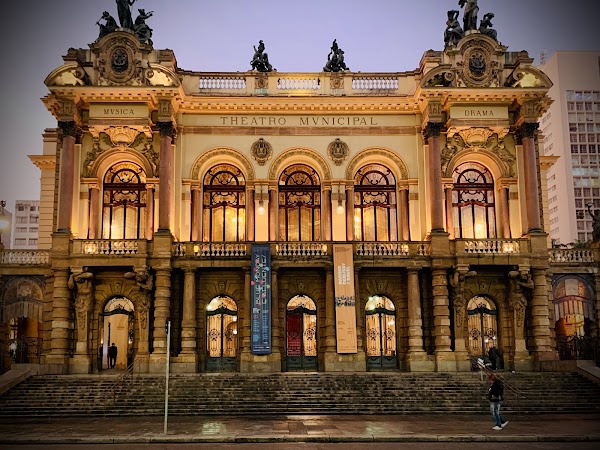


Hear Mercado Municipal in your language
The full story, narrated, in 50+ languages. Download it before you go and it plays offline, at your own pace, with no ticket and no tour group.