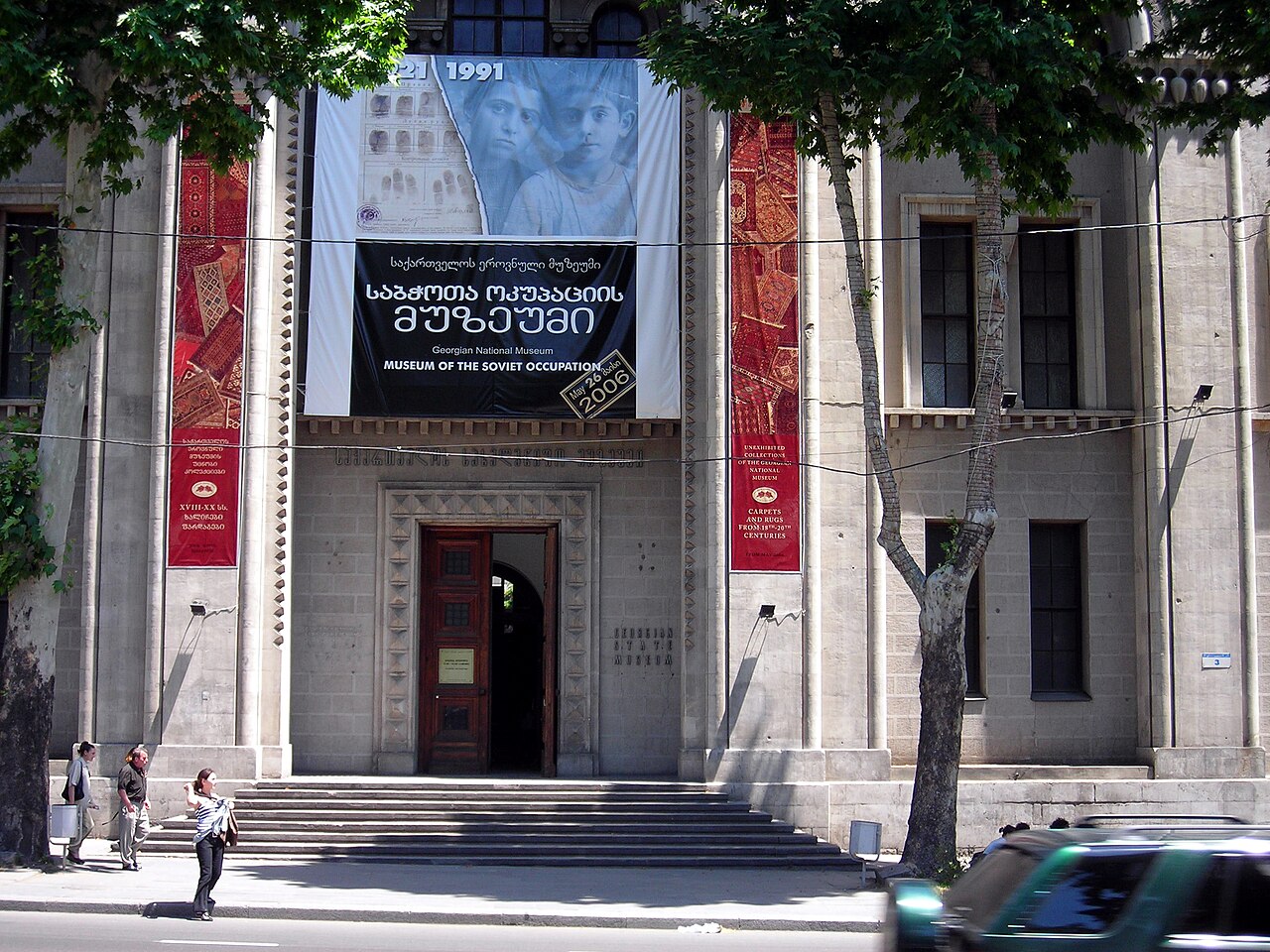
Svaneti Museum of History and Ethnography
43.6689° N · 42.7381° E · Museum
Svaneti Museum of History and Ethnography is a museum in Mestia, Russia. Housed in a restored traditional Svan house, this museum displays authentic textiles, weapons, and domestic artifacts that document the region's distinct cultural heritage. Most visitors spend 45–60 min here. The free Lokali audio guide runs 5 minutes.
✓ Verified August 2026 · how we write these guides
Visitor facts
| Time needed | 45–60 min |
|---|---|
| Lokali audio guide | 5 min · free |
| Type | Museum |
| Best for | History |
| Location | Mestia, Russia |
| Coordinates | 43.6689, 42.7381 |
| Languages | 45, in the Lokali app |
The story
Step in from the bright mountain light and let your eyes adjust. The hall is cool and dim. Then a shape catches the lamplight, a face of gold worked into silver, looking back at you across a thousand years. You have entered the Svaneti Museum of History and Ethnography, in the mountain town of Mestia.
For centuries, Svaneti was hard to reach. Snow and steep gorges cut it off from the rest of Georgia. That isolation made it a place of safety. When churches in the lowlands were threatened by invaders, people carried their holy icons, crosses, and books up into these mountains. Svan families guarded them inside their stone towers. This museum gathers much of what those mountains kept safe.
The museum was founded in 1936. Since 2004 it has been part of the National Museum of Georgia. Inside, it holds around four thousand objects. They range from gold icons and ancient books to weapons, jewellery, and the everyday tools of mountain life. Together they tell the long story of this region and the people who have lived here.
Begin with the icons. Some of the oldest show the Mother of God and date from the ninth and tenth centuries. Many were painted or beaten in metal by Svan craftsmen in their own style. The faces are calm and direct. The gold around them catches even the smallest light. These were not made to be admired in a gallery. They were made to be prayed to.
Look for one well-known icon called the Forty Martyrs, from the twelfth century. Another shows the Crucifixion. A third carries an image of Saint George, the warrior saint loved across all of Georgia. Each was once the heart of a village church. Each passed through many generations of hands that kept it hidden and safe through hard times.
Notice the work in metal. Svan artists were masters of repousse, the craft of hammering thin gold and silver from behind to raise a figure on the surface. They covered icons in shining sheets of metal. They made tall crosses to be carried in procession at festivals. Up close, you can still see the marks of the hammer, blow by patient blow.
Now come to the books, the pride of the whole collection. Among them is the Adishi Gospels, copied in the year 897. It is one of the oldest dated Georgian manuscripts that still survives anywhere. Think of that for a moment. The pages in front of you were written more than eleven hundred years ago, by hand, by candlelight, and they have lasted.
Other books are nearly as old. One, known as the Jerusalem canon, dates from the tenth century. Another gospel was finished in the year 1033. Some were written far from here, in Georgian monasteries in Jerusalem, then carried home across the world to these mountains. Their covers are worked in silver and set with coloured stones.
The museum is not only about the church. Move through the rooms and you meet the daily life of Svaneti. There are woven cloths and felt hats, hunting gear and farm tools, locks and keys and cooking pots. There are old photographs of stern faces standing outside stone towers. This is how families here lived, worked, and dressed in a hard and beautiful place.
You will also find weapons and ornaments. Daggers and old guns speak of a land where every household had to defend itself. Silver jewellery and decorated belts speak of celebration and pride. Side by side, they show two faces of the same people, ready to fight when they had to and ready to feast when they could.
Stand for a moment in the quiet. Everything here was saved by ordinary people who believed it was worth saving. They hid these things from armies. They carried them through snow. They refused to let them be lost. The same mountains that cut Svaneti off from the world also protected its memory, year after year.
When you step back out into the daylight, look up at the stone towers of Mestia around you. Those towers were the strongrooms that kept treasures like these safe. The gold you have just seen once waited out the centuries inside walls just like them. Carry that thought with you as you walk on through the town.
Key facts
What to look for
Practical tips
Common questions
How long do you need at Svaneti Museum of History and Ethnography?
Plan 45–60 min. That is the time most visitors spend at Svaneti Museum of History and Ethnography. The free Lokali audio guide adds about 5 minutes of narration you can listen to as you walk, so it fits inside your visit rather than adding to it.
Is there a free audio guide to Svaneti Museum of History and Ethnography?
Yes — the Lokali app narrates Svaneti Museum of History and Ethnography free of charge in 50+ languages. It covers the history, what to look for on site and practical tips, and it works offline once downloaded.
Where is Svaneti Museum of History and Ethnography?
Svaneti Museum of History and Ethnography is in Mestia, Russia, at 43.6689, 42.7381. Tap the map link on this page for directions from where you are.
What should you know before visiting Svaneti Museum of History and Ethnography?
Allow at least an hour to see the collection.
What is Svaneti Museum of History and Ethnography known for?
Founded in 1936; part of the Georgian National Museum since 2004.
What is the best time to visit Svaneti Museum of History and Ethnography?
The upper floors are arranged in period rooms, letting you walk through a real Svan home layout.
On the map
Opens directions to Svaneti Museum of History and Ethnography from your location.
More to see in Mestia


Hear Svaneti Museum of History and Ethnography in your language
The full story, narrated, in 50+ languages. Download it before you go and it plays offline, at your own pace, with no ticket and no tour group.