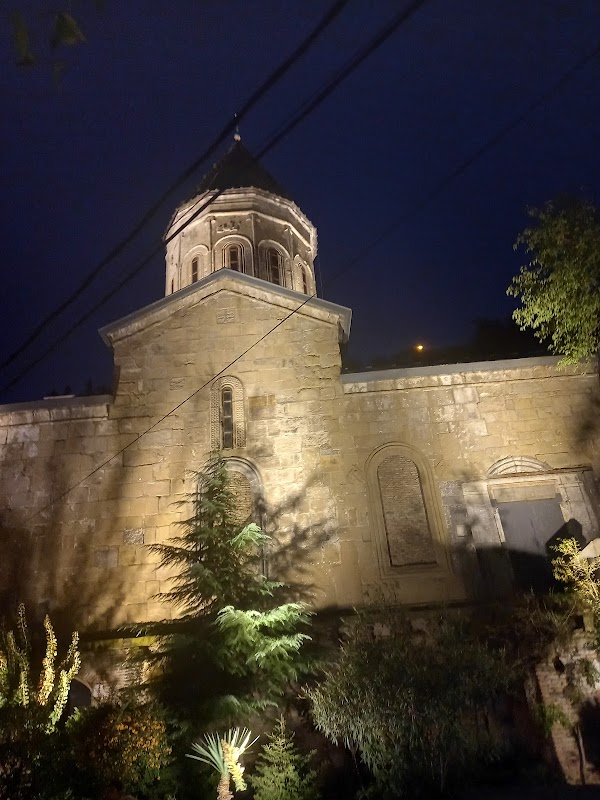
Safranbolu Old Town
41.2508° N · 32.6942° E · Historic Town
Safranbolu Old Town is a historic town in Karabük, Türkiye. UNESCO added Safranbolu to the World Heritage list in 1994. Saffron crocuses are harvested in nearby villages each autumn. Most visitors spend 3-4 hours here. The free Lokali audio guide runs 6 minutes.
✓ Verified October 2026 · how we write these guides
Visitor facts
| Time needed | 3-4 hours |
|---|---|
| Lokali audio guide | 6 min · free |
| Type | Historic Town |
| Best for | Authentic finds |
| Location | Karabük, Türkiye |
| Coordinates | 41.2508, 32.6942 |
| Languages | 45, in the Lokali app |
The story
Use your ears before your eyes. Somewhere a coppersmith taps out a rhythm, sparrows argue in the eaves, and footsteps click on stone, because these lanes were never built for cars. The old town fills a sheltered hollow where small river gorges meet, protected from wind and, for centuries, from change. Around you rise Ottoman houses, white plaster above dark timber, their upper floors leaning over the street. The air smells of roasting coffee and sugar syrup. Somewhere close, someone is making Turkish delight.
The town is named for a flower. Saffron, the world's most expensive spice, comes from a purple autumn crocus, and villages near Safranbolu have grown it for centuries. Each thread must be picked from the flower's centre by hand, thousands of blooms for a modest jar, which explains the price. The harvest comes in October and November. Shops in the bazaar sell local saffron, saffron tea, and saffron-scented sweets all year round. Smell before you buy. Sellers will happily open the jar.
Safranbolu grew rich on movement. It sat on a caravan road linking the Black Sea coast with the interior, and traders, drivers, and their animals needed everything a town could sell. Saddles, shoes, iron, rope, food, lodging. The bazaar quarter you are walking, called Çarşı, was the machine that supplied them. Its streets still carry the names of guilds. When railways and highways rerouted commerce in the twentieth century, the town's economy froze, and, by accident, so did its architecture.
The grandest survivor of that caravan age is Cinci Han, a massive stone inn from the seventeenth century, built around a galleried courtyard. Merchants slept upstairs, animals and goods stayed below, and the gates were barred at night. It works as a hotel again, but you can usually step into the courtyard for a look. Nearby, the bathhouse built in the same period still takes bathers, with separate sections for men and women, heated in the traditional way.
Safranbolu's houses follow a confident pattern. A high stone ground floor, mostly windowless, held animals, tools, and stores. Living quarters rise above in timber frame, whitewashed, with rows of shuttered windows and bay overhangs propped on angled struts. Households were large and multi-generational, so the houses run big, often six or eight rooms. Around a thousand buildings in the town are legally protected. UNESCO added Safranbolu to the World Heritage list in 1994, citing exactly this ensemble.
If you enter one of the mansion museums, the interiors repay attention. Rooms are lined with built-in cupboards, and some conceal a tiny bathing closet inside the cupboard wall. Ceilings carry carved and painted woodwork, each room's pattern different. A few wealthy houses kept an indoor pool, a wide, shallow basin in a ground-floor room. It was not for swimming. The water cooled the air in summer, pleased the ear, and marked the owner as someone of means.
Notice something odd about old Safranbolu. It is really two settlements. Çarşı, where you stand, is the winter town, packed tight in its sheltered hollow. On the breezy plateau above sits Bağlar, the summer quarter, where the same families kept second houses among vineyards and orchards. Each spring, households moved uphill with their bedding, and each autumn they came back down. Few towns anywhere preserved this seasonal double life so clearly in stone and timber.
Give the bazaar lanes an unhurried loop. The Yemeniciler Arastası, the arcade of the light-shoe makers, is a vine-shaded courtyard of tiny workshops where soft leather shoes were once stitched by the thousand. Today its stalls sell lace, wooden spoons, and saffron, but the layout is intact. Coppersmiths and ironmongers keep shops in nearby streets, and the old trade names survive on the signs. Buy the local Turkish delight somewhere. Safranbolu's version is dense, generously dusted, and argued about with passion.
Between the shops stand the town's public monuments. The Köprülü Mehmet Paşa Mosque, from the seventeenth century, was endowed by a family of famous grand viziers. The İzzet Mehmet Paşa Mosque, from the 1790s, is grander, its broad dome rising above the market roofs. Fountains survive on many corners, some still running. A clock tower from the late eighteenth century keeps time on the hill by the old government house, the gift of a grand vizier born nearby.
Half a day extra buys the surroundings. The village of Yörükköy nearby preserves its own street of mansions with far fewer visitors. Above the Tokatlı gorge, an old stone aqueduct, restored in the late eighteenth century under the same vizier who built the clock tower, crosses the canyon on tall arches. A modern glass viewing platform hangs over the gorge wall not far away, for those who like their views vertical.
For the town's best portrait, climb Hıdırlık Hill on the southern edge. The path takes perhaps a quarter of an hour, and the terrace on top looks over the whole bowl of the old town. From there, the red roofs interlock like fish scales, minarets stand up from the mass, and the gorges show green around the edges. Sunset is the popular hour, deservedly. Photographers wait in rows for the minute the tiles glow deep red.
End back in a lane, any lane, as the shops shutter. Evening empties the town of day visitors, and the houses take over again. Lit windows, the murmur of televisions, a scooter somewhere, cats on warm stone. These buildings have watched such evenings continuously since the caravan days. Nothing here was preserved by plan alone. A trade road moved, time slowed, and people simply kept living in their grandparents' rooms. Stay for the quiet if you can. It is the town's oldest product.
Key facts
What to look for
Practical tips
Common questions
How long do you need at Safranbolu Old Town?
Plan 3-4 hours. That is the time most visitors spend at Safranbolu Old Town. The free Lokali audio guide runs 6 minutes and is made to listen to while you walk.
Is there a free audio guide to Safranbolu Old Town?
Yes — the Lokali app narrates Safranbolu Old Town free of charge in 50+ languages. No ticket, tour group or subscription, and it works offline once downloaded.
Where is Safranbolu Old Town?
Safranbolu Old Town is in Karabük, Türkiye, at 41.2508, 32.6942. Tap the map link on this page for directions.
What should you know before visiting Safranbolu Old Town?
Climb Hıdırlık Hill for sunset over the rooftops
What is Safranbolu Old Town known for?
UNESCO added Safranbolu to the World Heritage list in 1994
What is the best time to visit Safranbolu Old Town?
Climb Hıdırlık Hill for sunset over the rooftops
On the map
Opens directions to Safranbolu Old Town from your location.
Hear Safranbolu Old Town in your language
The full story, narrated, in 50+ languages. Download it before you go and it plays offline, at your own pace, with no ticket and no tour group.